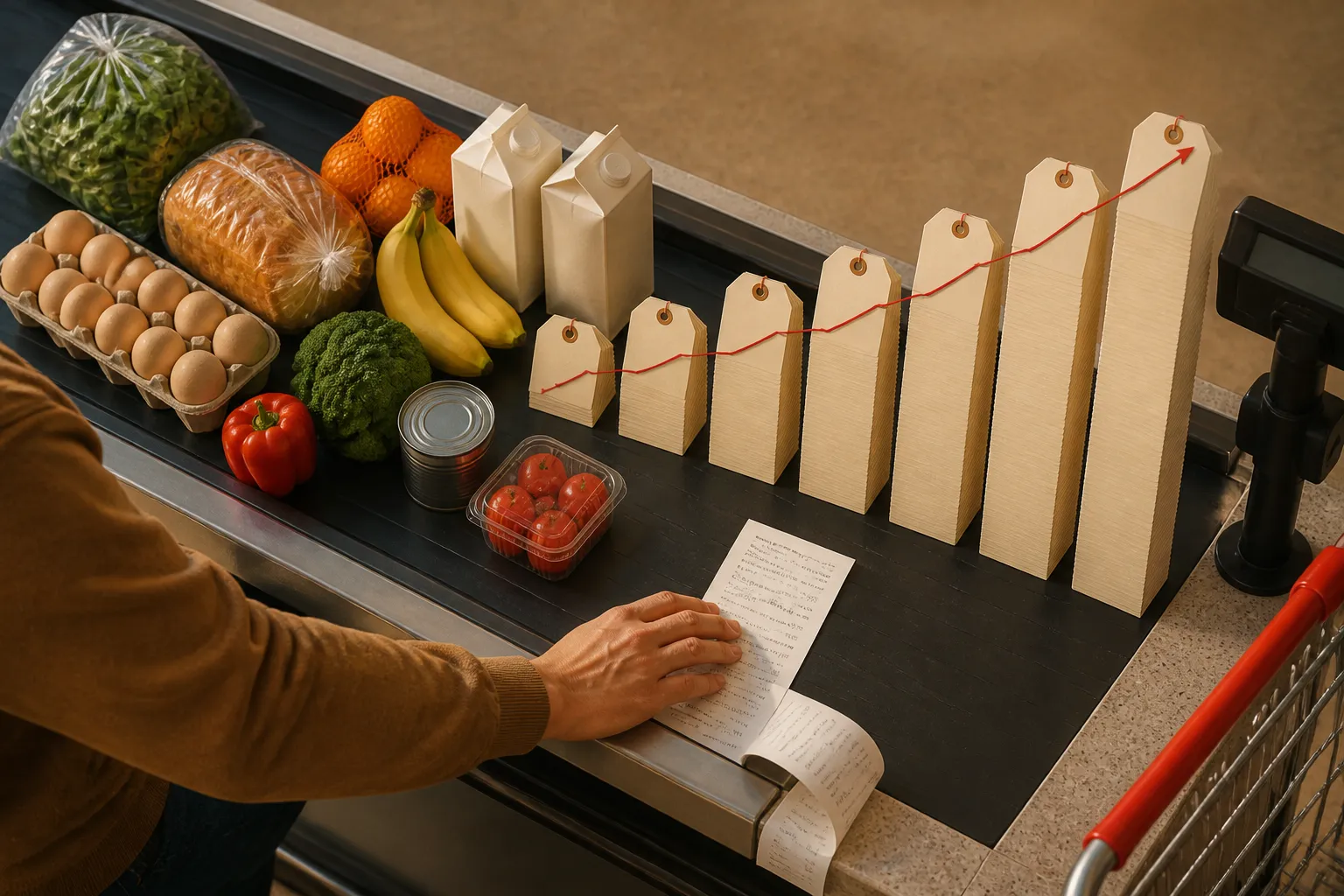











The UK added 27 items to its inflation basket in 2026 and dropped 19. The new total is 760. The Office for National Statistics, or ONS, published the list, so it is the clearest worked example of a basket update available here. The US story is less complete, and this piece says where.
What a basket and a weight are
A basket is the list of goods and services whose prices get tracked. A weight is the economic importance given to each item. A big weight means a price move in that item pushes the overall index further. A small weight means it barely registers.
The ONS says it reviews its consumer price baskets every year so they keep reflecting how households spend. It also updates the weights each year to match changes in spending patterns. Those are UK rules. The ONS material does not compare them with US practice, so none of it should be read as a description of the US index.
What the UK changed in 2026
The 2026 update came out on 16 March 2026. The ONS used grocery scanner data from the February 2026 index. Scanner data is the record of what shoppers actually bought at the checkout. Prices for some items are collected in stores and online.
The same item changes were applied to the CPI, CPIH and RPI baskets. The ONS gave examples on both sides of the ledger.
- Added: houmous, alcohol-free beer, pet grooming, motorhomes and dashboard cameras.
- Removed: sheets of wrapping paper and bottled premium lager bought in pubs and restaurants.
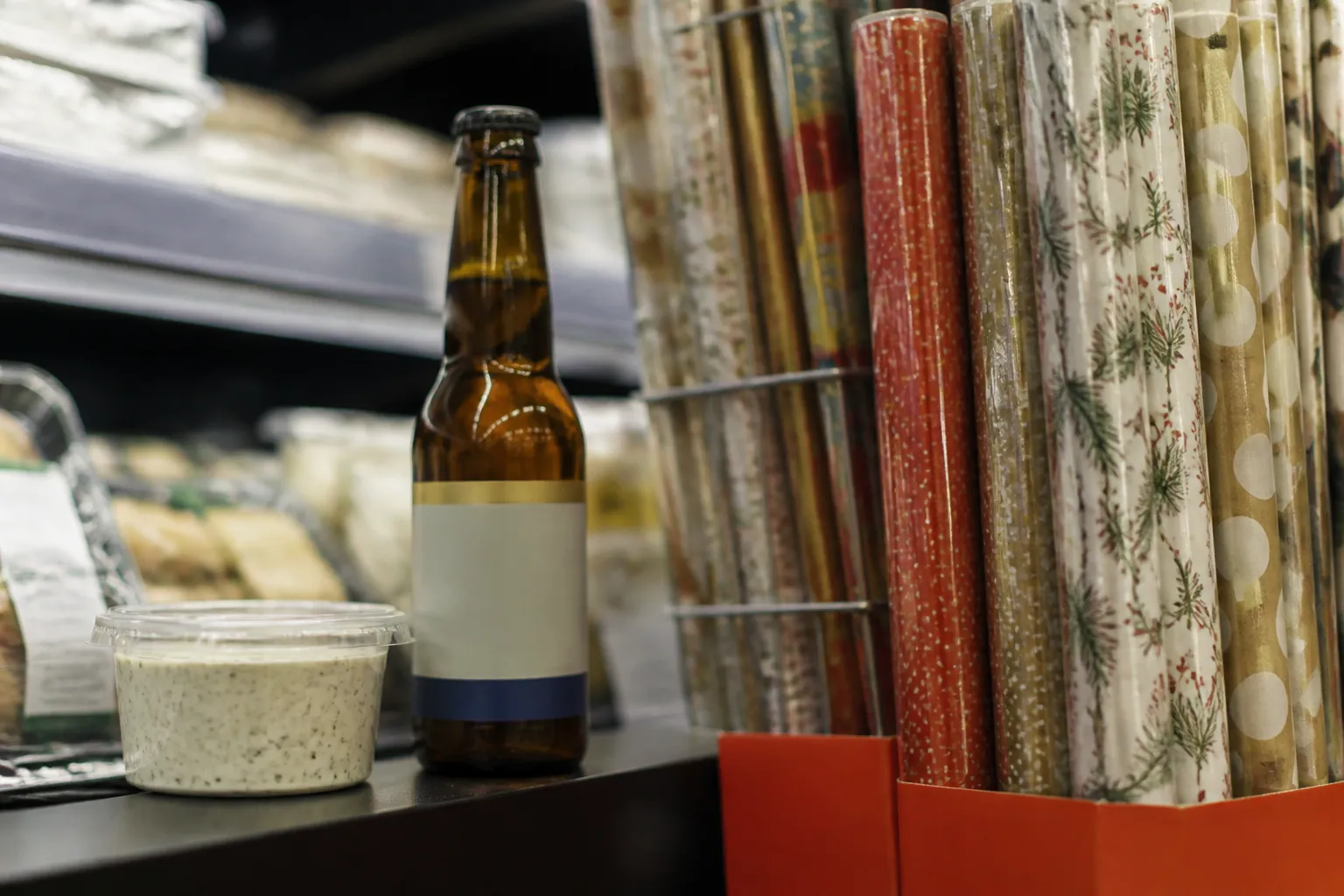
Dip in, wrapping paper out. The list reads like a small portrait of changing habits. A pet groomer and a dashboard camera are line items now. A roll of gift wrap is not.
One historical detail is worth a line. UK weights were once rounded to whole numbers, shown as parts per thousand of the all-items index. The source text stops there, so the current rounding method should not be assumed.
What the US sources confirm
The US Bureau of Labor Statistics, or BLS, keeps a page on relative importance and weight information for the Consumer Price Indexes. Relative importance is the BLS term for how much one spending category counts in the overall index.
The BLS also posts a comparison of 2026 CPI data calculated with new weights and with previous weights. That much is solid. US weights are revised, and a revision is significant enough that the agency publishes the old and new figures side by side.
The detail stops there. The retrieved BLS pages do not state how the US basket is chosen or how often it is updated. They also do not name the spending data behind the weights. For those answers, go to the BLS relative importance page and its linked methodology pages, including the CPI handbook sections on design and data sources.
Checking your own spending against the weights
An index measures the average household. Your budget probably differs from it. A renter with no car sees a different inflation rate than a homeowner who drives a long commute. The sources do not give a formal method for this, but a simple comparison is possible.
- Add up one typical month of spending from bank and card statements.
- Sort it into broad groups such as housing, food, transportation, medical care and recreation.
- Divide each group by your total to get your own percentage shares.
- Open the BLS relative importance table and compare its category percentages with yours.
Where your share is much larger than the published one, price moves in that category will matter more to you than the headline number suggests. Where it is much smaller, the reverse holds. This is a rough picture, since the BLS categories may be defined differently from your own groupings. Read the category descriptions before drawing conclusions.
What remains unknown
The sources do not list the items in the US basket. They do not say which US items were added or removed in 2026. They do not give the specific 2026 US weight changes, or what the BLS comparison shows in detail. They also do not explain how spending data becomes a weight.
The UK example shows what a clear public account of a basket update can look like. Whether the US process works the same way is not something these sources settle. Read the BLS pages directly before relying on any claim about how the US basket works.
This article is educational only and is not personal financial advice. For your own situation, check official sources or talk with a qualified professional.