










Brent crude rose 15% in the month to March 3, 2026, and more than 37% year to date, according to a Council on Foreign Relations podcast. That is a big move. It is also the kind of number that makes economists reach for one old word: stagflation.
What stagflation means
Stagflation is three conditions at once: high inflation, slower economic growth, and rising unemployment. Each one is familiar alone. Together they are awkward, because the usual fix for one can make another worse.
There is no single formal definition. No agency announces when it starts, and none of the sources here offer a standard threshold. Economists tend to watch prices, output, and jobs moving in the wrong directions together. So think of it as a pattern, not an official status.
Where the term comes from
The reference point is the 1970s. OPEC oil embargoes hit the United States and other advanced economies, and prices climbed while output stalled and joblessness rose. That surprised many economists of the day. It is why the word returns whenever energy prices spike.
The episode also tested old ideas. Keynesian economics holds that government action can help stabilize an economy. It emerged in the 1930s Depression, when existing theory could not explain the collapse or offer a fix, as the IMF's Finance & Development magazine explains. Stagflation posed a different puzzle. A tool that lifts demand can add to prices. A tool that cools prices can deepen a slowdown.
How an energy shock can produce stagflation
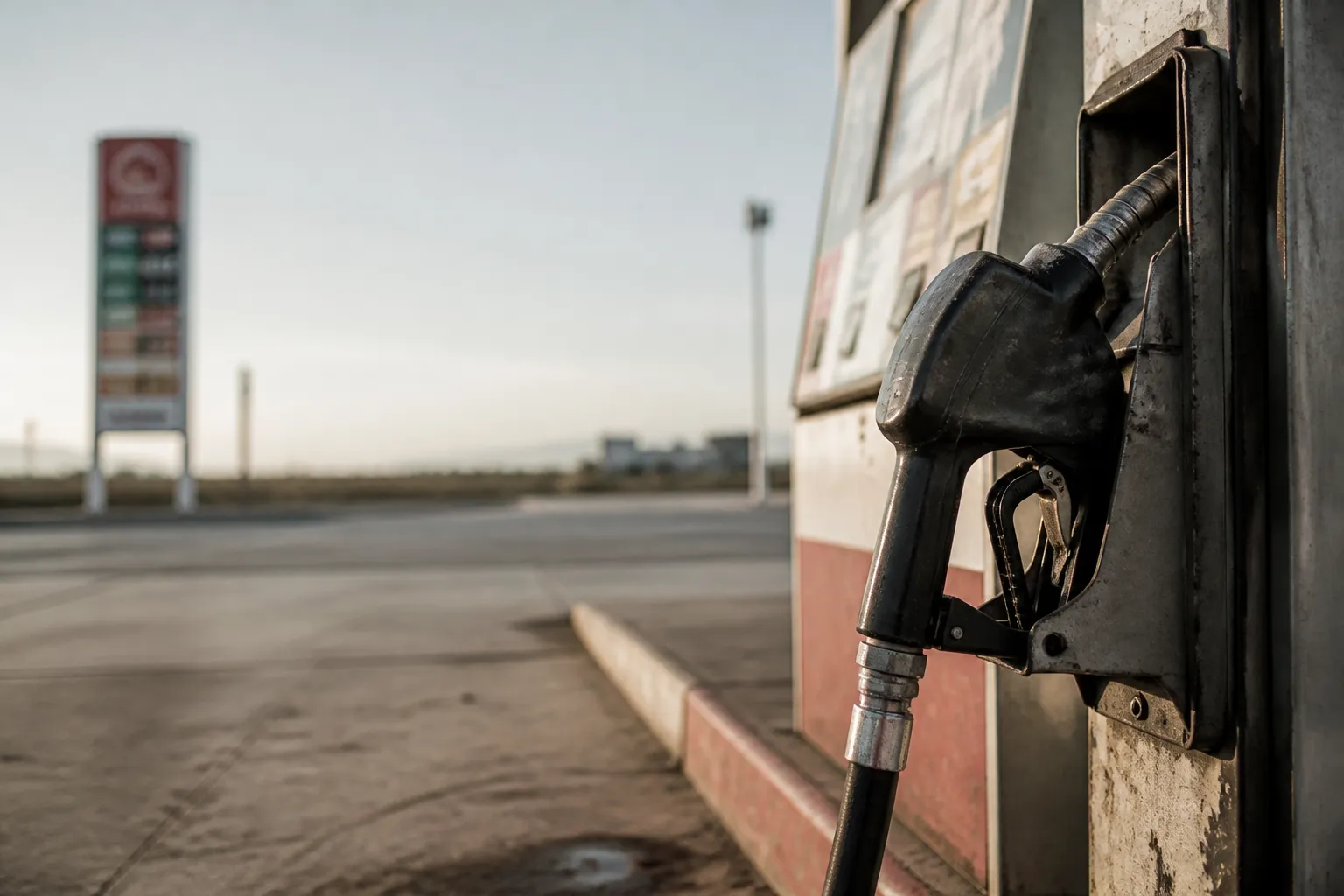
An energy shock starts at the pump. The Council on Foreign Relations reports that some U.S. gas stations raised prices by more than a dollar, pushing averages above $4 a gallon. That is the visible part. The rest comes later.
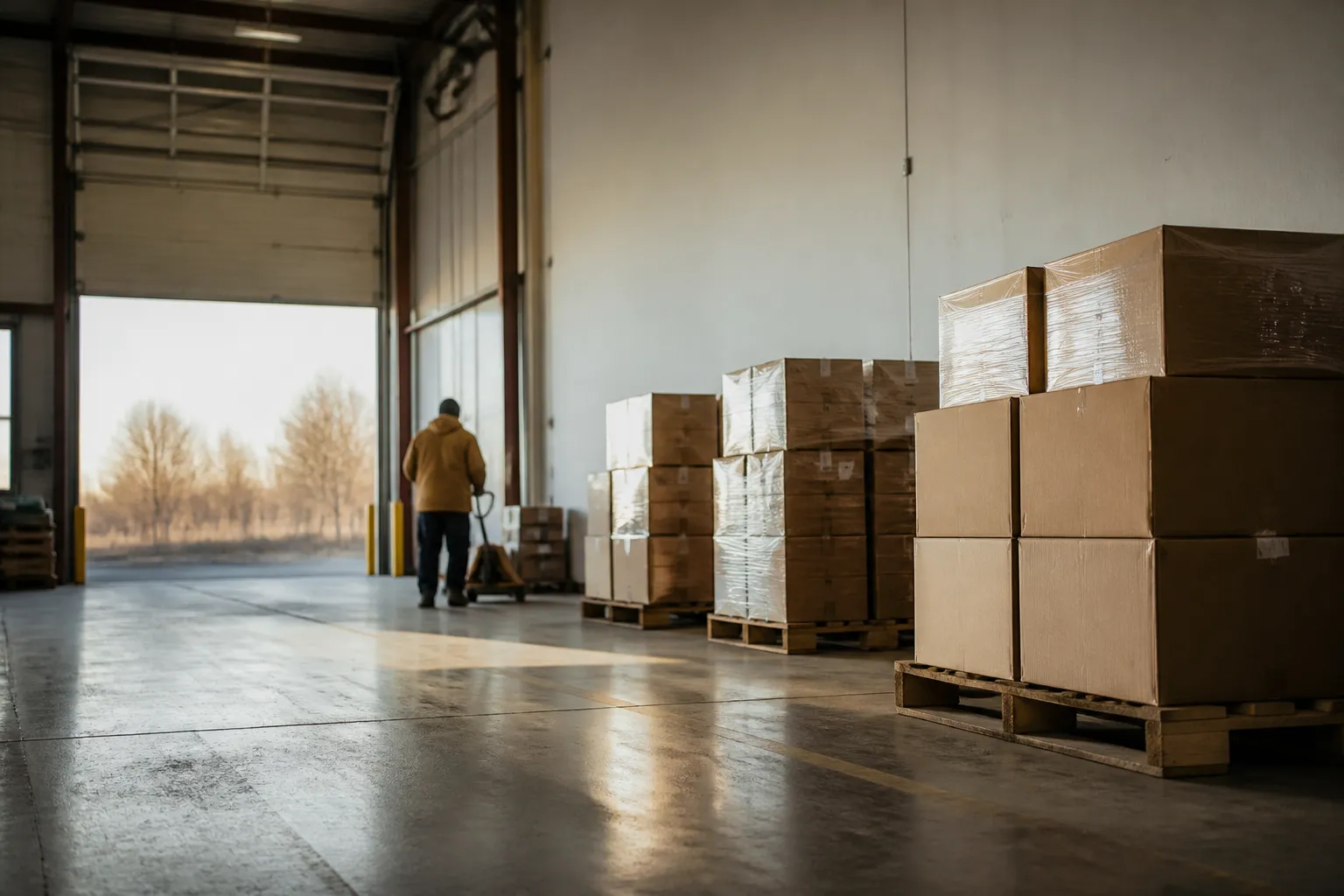
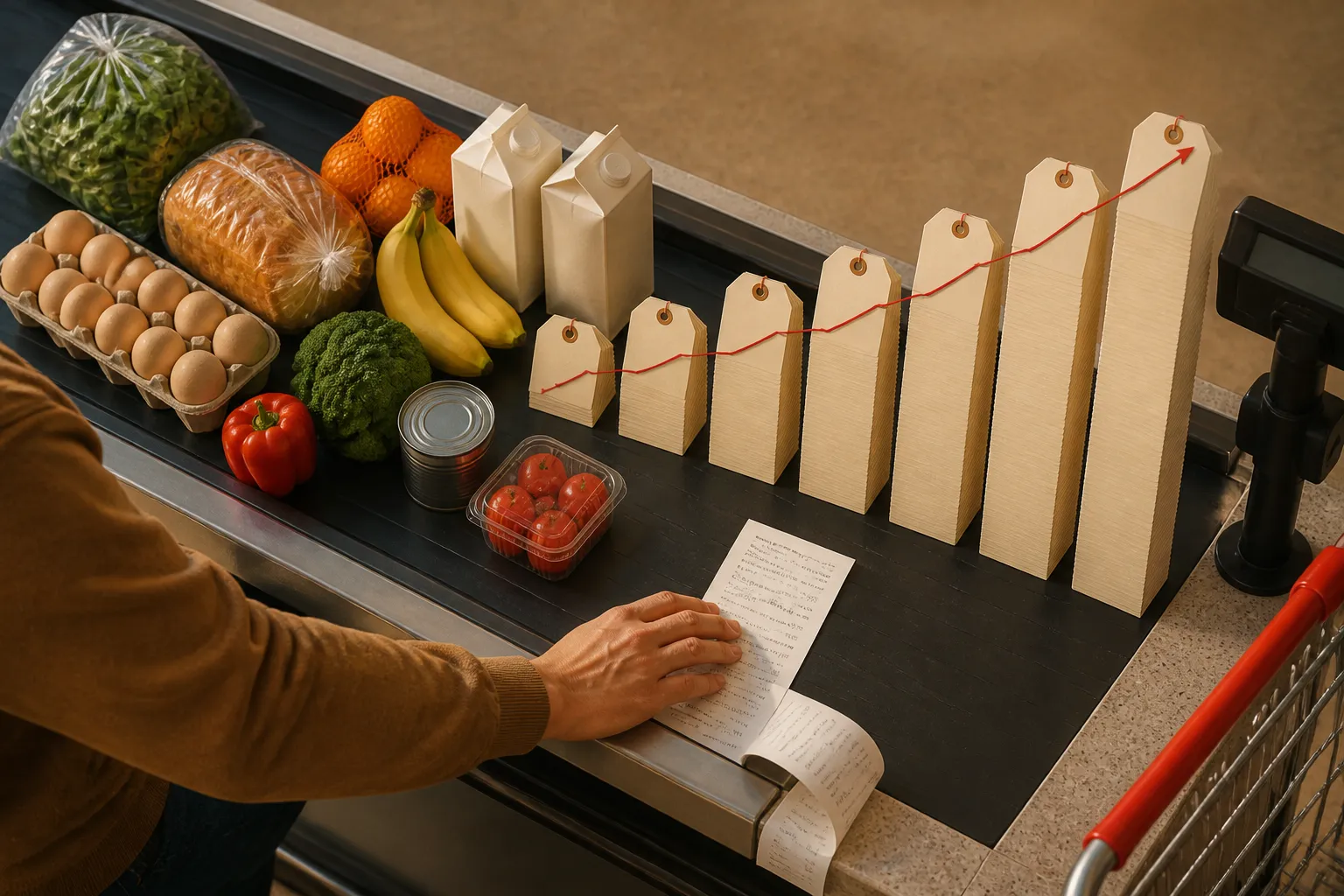
CFR expects the effects to spread well beyond gas stations. Trucks, factories, and farms all run on energy. Think of the grocery aisle a month or two on, when freight costs show up in the price of a loaf of bread or a bag of apples. Then think of a lease renewal notice that arrives with a bigger number than last year.
Households then pull back. Businesses slow hiring. Growth weakens and unemployment can rise while prices are still climbing.
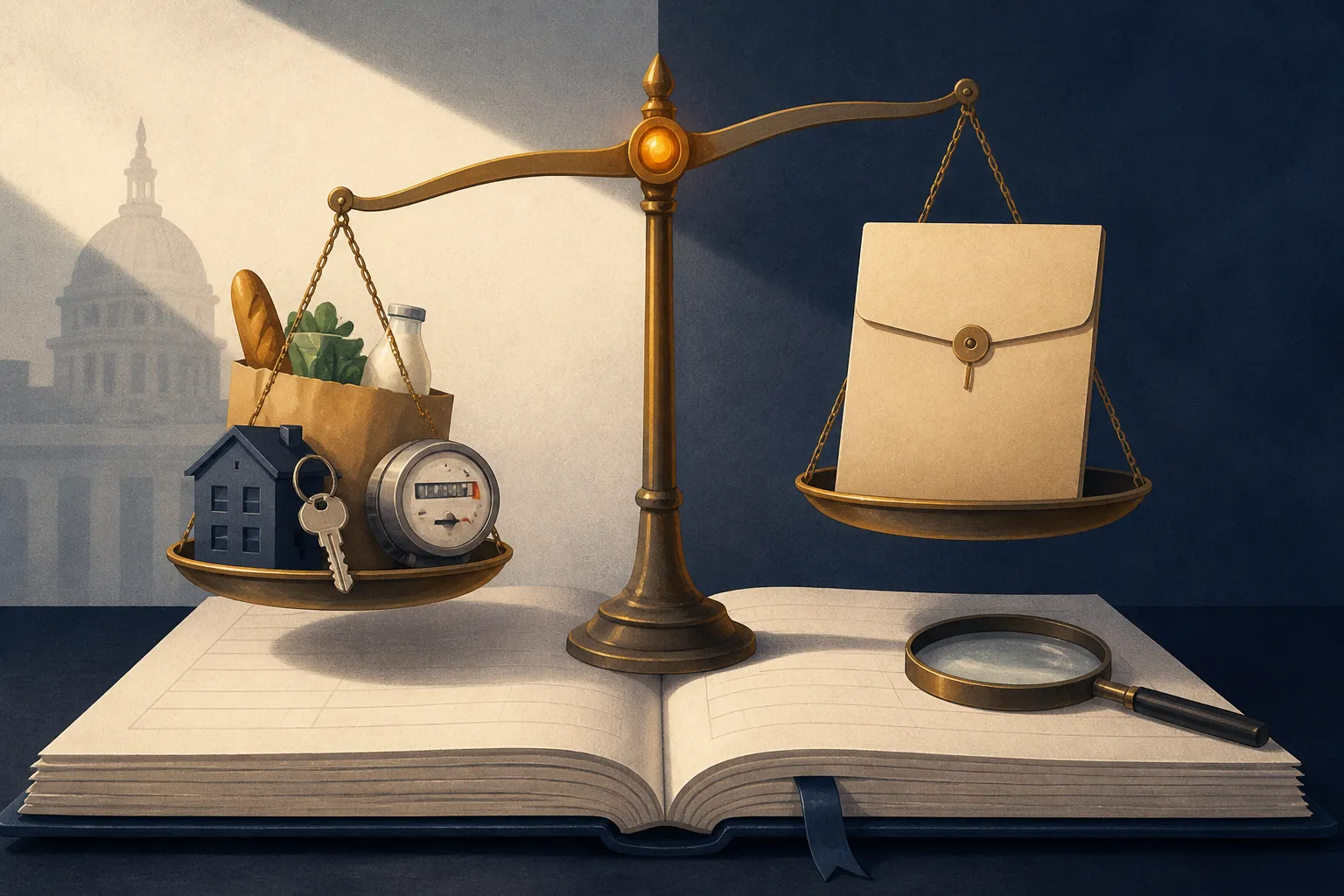
That is why one tool rarely solves it. Fighting inflation usually means restraining demand, which can worsen a slowdown. Fighting a slowdown usually means stimulating demand, which can add price pressure. Policymakers face trade-offs, and no single lever settles them.
Why the U.S. is partly insulated, and why it is not immune
Economists see the United States as partly protected. It is the world's largest oil producer and a net exporter, so domestic supply can soften some of the blow. But oil is priced in a global market. A disruption abroad still reaches American prices.
The oil economy has also changed since the 1970s. U.S. production has risen, China is now a leading consumer, and renewable energy has grown. The same shock may not play out the same way. CFR also notes that more than 80% of the oil normally passing through the Strait of Hormuz goes to Asia. A regional disruption does not stay regional. Comparisons to the 1970s are useful, but they are not forecasts.
What the evidence does not yet show
The gaps matter. The sources here give no current U.S. inflation rate, unemployment rate, or GDP growth figure. So they cannot tell you whether the economy is in stagflation now. For current numbers, check the Bureau of Labor Statistics, the Bureau of Economic Analysis, and the Federal Reserve directly.
They also say little about how the Fed would respond, or how interest rates and savings rates might shift. A St. Louis Fed article on how high inflation can end exists, but the text available was only site navigation, so its substance is not summarized here. A World Bank document was unreadable as provided.
This article describes a concept and its risks. It does not predict outcomes or advise any financial action. For your own situation, consult official data and a qualified professional.