
Picture two grocery receipts. In January, a cart of staples costs $100. In February, the same cart costs $102. In March, it costs $103. Prices rose both times, but the second jump was smaller. That slowdown has a name, and it is not the name most headlines reach for.
What disinflation actually means
Disinflation is a slowdown in the inflation rate. Prices keep rising, just more slowly than before. The Federal Reserve Education material says the inflation rate stays positive during disinflation (Federal Reserve Education). The Cleveland Fed treats it as a concept separate from deflation (Cleveland Fed).
The key word is rate. Inflation measures how fast the price level climbs over time. When that speed drops, economists call it disinflation. The cart still costs more than last month. It just costs a little less more than it did before.
Think of a rent notice. Last year your landlord asked for 6% more. This year the notice says 3%. Your rent went up both times. The increase shrank. That is disinflation in a lease envelope.
How disinflation differs from deflation
Deflation is a sustained decline in the price level, with falling prices across many goods and services. In deflation the inflation rate is negative. In disinflation it is still positive. The Fed's education team notes the two terms are often confused, which is why careful reading matters (Federal Reserve Education).
Its example is simple. If inflation drops from 4% to 2%, that is disinflation. The rate fell, but it sits above zero. A private research note offers a parallel: year-over-year CPI going from +4% to +2.5% is disinflation, while readings below zero, such as -0.5% or -1.0%, would be deflation (Rosenberg Research). Weigh that source accordingly. It is one firm's commentary, while the Fed example is official education material.
The two can connect. The Fed material says that if an economy slides from positive inflation toward deflation, a stretch of disinflation usually comes in between. So disinflation can be a stage on the way down. It is not the endpoint.
Why the difference matters and how it can happen
Disinflation can follow central bank tightening. When inflation runs above a central bank's target, policymakers may tighten monetary policy to bring it down, and disinflation can result (Federal Reserve Education). The St. Louis Fed also walks through inflation, disinflation and deflation in a plain-language explainer (St. Louis Fed).
Deflation gets a darker description. The same research note argues it can feed on itself. Shoppers wait for lower prices, demand weakens, and businesses may cut wages and jobs. That is an analyst's account of a possible chain of events, not a regulator's finding. Treat it as one view. Disinflation, in official sources, is simply a slowing that leaves prices rising.
How to check the numbers yourself
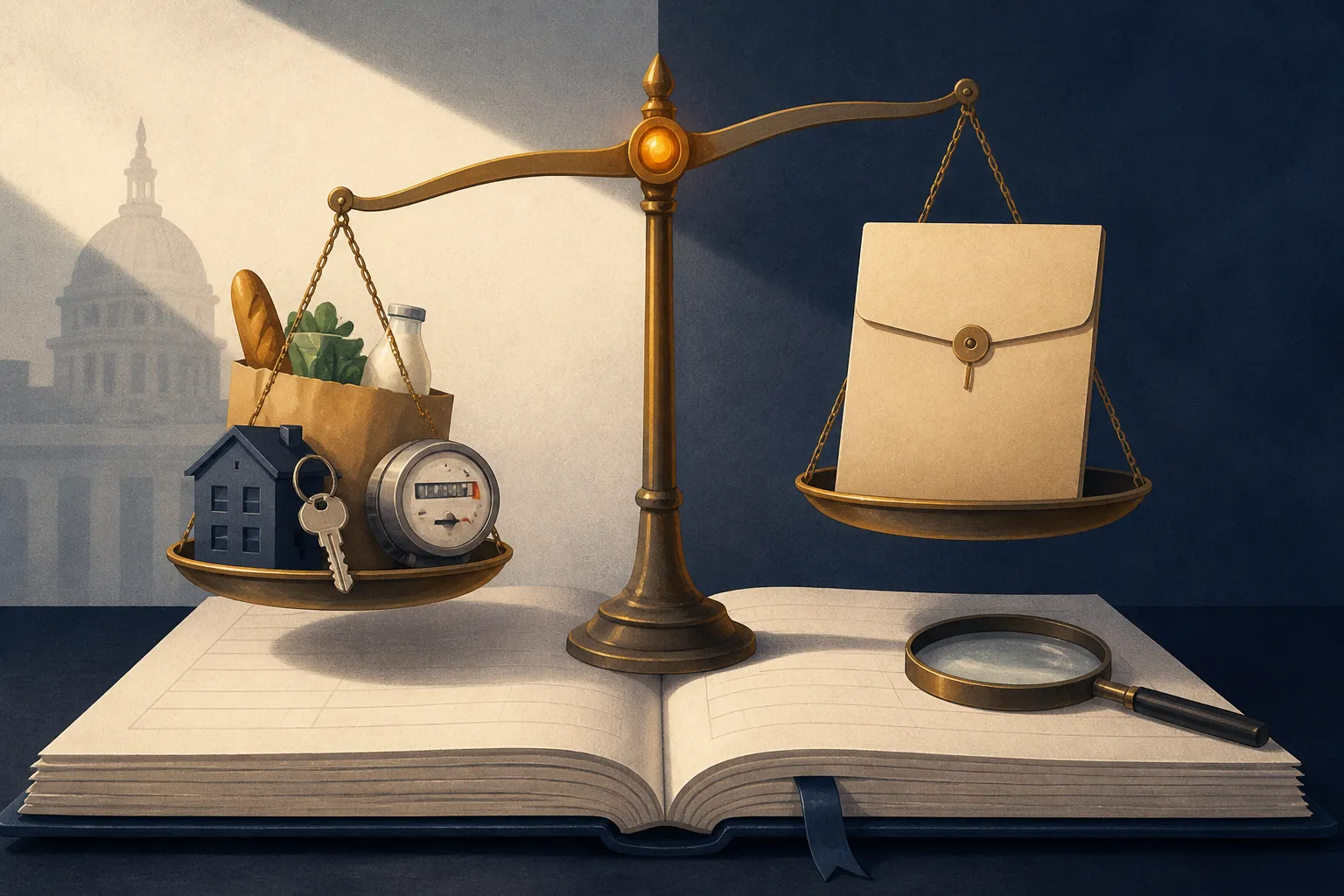
The main U.S. inflation gauge is the Consumer Price Index, or CPI, published by the Bureau of Labor Statistics. The agency also offers a CPI inflation calculator for comparing prices across time (BLS CPI). Start there, not with a secondhand summary.
Then ask three questions when a claim shows up:
- Is the inflation rate falling, or is the price level itself falling?
- What is the latest year-over-year CPI change, and is it positive or negative?
- Does the figure cover one month or a quarter, and what is it compared against?
That last one matters. A single month can jump around. Month-over-month readings show direction quickly. Year-over-year readings smooth the noise, which is why many analysts lean on them for trend.
Common red flags and limits of the sources
Be wary of headlines saying prices are "falling" when the source describes only a slower rate of increase. That wording blurs disinflation and deflation. Be wary, too, of forecasts that present a coming stretch of disinflation as settled. The research note cited here admits forecasting models diverge, so any single call is one view among many.
These sources also leave gaps. They do not explain how disinflation touches a household budget, savings yields, loan rates or wages. They do not supply current CPI figures or confirm whether disinflation is happening right now. They do not say how the Fed's inflation target is set. For the latest numbers, go to the BLS release itself. For your own finances, check official sources or talk with a qualified professional. This article is educational only.