
Inflation is the rate at which prices for goods and services rise over time. A mild amount is normal. The trouble starts when costs speed up without warning, and a grocery receipt or a lease renewal notice is usually where people see it first.
What inflation is and why it matters
Picture a cart that cost one price last month and a noticeably higher one this month. Do that month after month and the same paycheck covers less. That is the loss of purchasing power: each dollar buys less than it did before. Mild inflation often travels with more spending, more investment and a growing economy, so it is not treated as a problem by itself. Sudden, sharp jumps are what central banks worry about.
In the United States, that central bank is the Federal Reserve. It aims to provide a safe, flexible and stable monetary and financial system. Inflation is one part of that job, alongside employment. The Cleveland Fed, part of the same system, runs a research center on inflation and publishes gauges such as Median CPI and Median PCE. CPI is the Consumer Price Index, which tracks what households pay. PCE is personal consumption expenditures, a related measure of spending.
How a rate increase is supposed to slow prices
An interest rate is the price of borrowing money. When the central bank raises its benchmark rate, loans get more expensive across the economy. Households and businesses think twice. A family may hold off on a car. A company may shelve a new warehouse.

As that hesitation spreads, overall demand tends to fall. The logic is that inflation often reflects demand running ahead of supply. If buyers pull back, sellers have less room to raise prices, and the pressure is expected to ease. That is the central channel described in the material reviewed here. It is a chain of expectations, not a switch.
The sources do not say how long it takes. Nor do they say how much a given rate increase lowers inflation. Anyone offering a clean timeline deserves some skepticism.
There is also a wrinkle. Higher rates can raise some businesses' costs, and those costs may be passed on to customers. The sources treat cost pass-through as a general driver of inflation, not as a measured effect of rate changes. It is worth remembering when a headline claims the policy works neatly.
The trade-off: recession risk and jobs
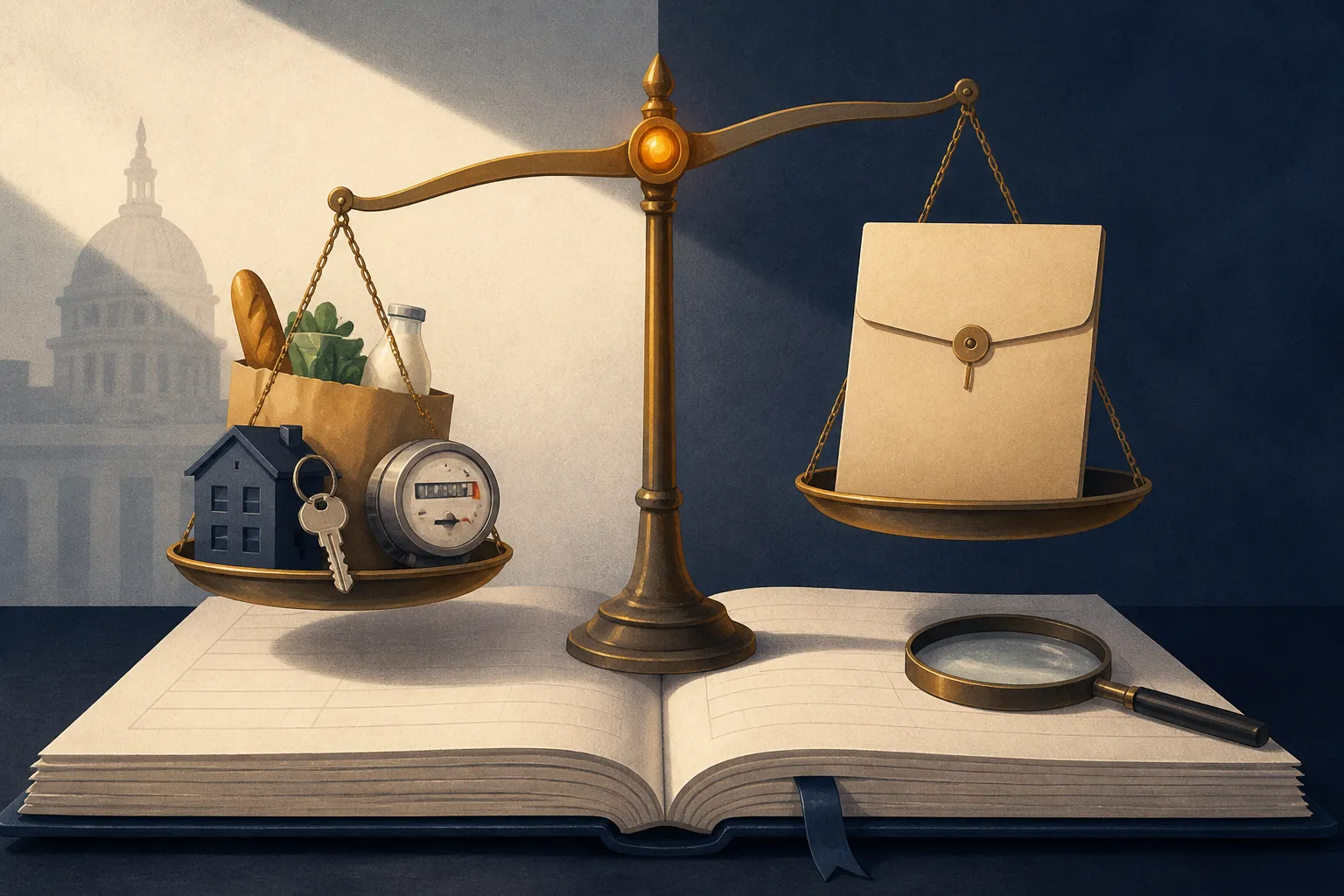
Slower spending is the point. It is also the risk. Higher rates can help bring inflation down, but they may also tip the economy into a recession, a broad decline in economic activity. Slower demand can mean slower hiring, less business activity and, in a weaker case, job losses.
One economist interviewed by CNBC has said a recession may be necessary to tamp down inflation. That is commentary, not an official forecast. Still, it shows why rate decisions are argued over. A credible explanation names the trade-off. One that promises a single painless outcome has skipped a step.
How rate changes reach everyday borrowing and saving
The broad idea is simple: higher benchmark rates make borrowing more expensive over time. The details are less simple. How a change reaches a particular loan or card depends on that product's terms. A fixed-rate loan may not move at all. A variable one may move quickly. The sources reviewed do not walk through credit card balances, savings yields or loan payments in detail, so treat general explanations as a starting point.
Central banks describe a transmission mechanism, meaning the chain through which a policy move travels into the wider economy. The European Central Bank and the Bank of Finland both have pages on it, but the text available for this piece was mostly navigation. The Federal Reserve's own explanatory pages are the better place to confirm the channels. For your own accounts, read your loan agreement and rate disclosures, or ask a qualified professional.
How to evaluate sources on rate policy
Start with central banks and government sources. Among the material reviewed, the Federal Reserve's FAQ on inflation and employment, the Cleveland Fed's inflation explainer and the Bank of England's FAQ are the official references.
Be wary of thin pages. Several that were reviewed held little beyond menus and cookie notices, and a page like that is not evidence of anything. News coverage, including a CNBC explainer on rates and inflation, is useful context but remains commentary. Check its claims against central bank material.
Know which gauge is being cited, too. Median CPI and headline CPI can tell somewhat different stories in the same month.
Questions worth asking as rates change
- How does a rate increase reach my loans and cards? The answer sits in the product terms.
- How long until slower spending shows up in prices? The sources give no fixed timeline.
- Could higher rates cause a recession, and what would that do to jobs?
- Which inflation measure is the central bank watching?
None of these has a tidy answer in the material reviewed. That gap is itself informative. The policy rests on a plausible mechanism, and the size and speed of its effect remain uncertain. This article is educational only, and it is not advice for your own finances.