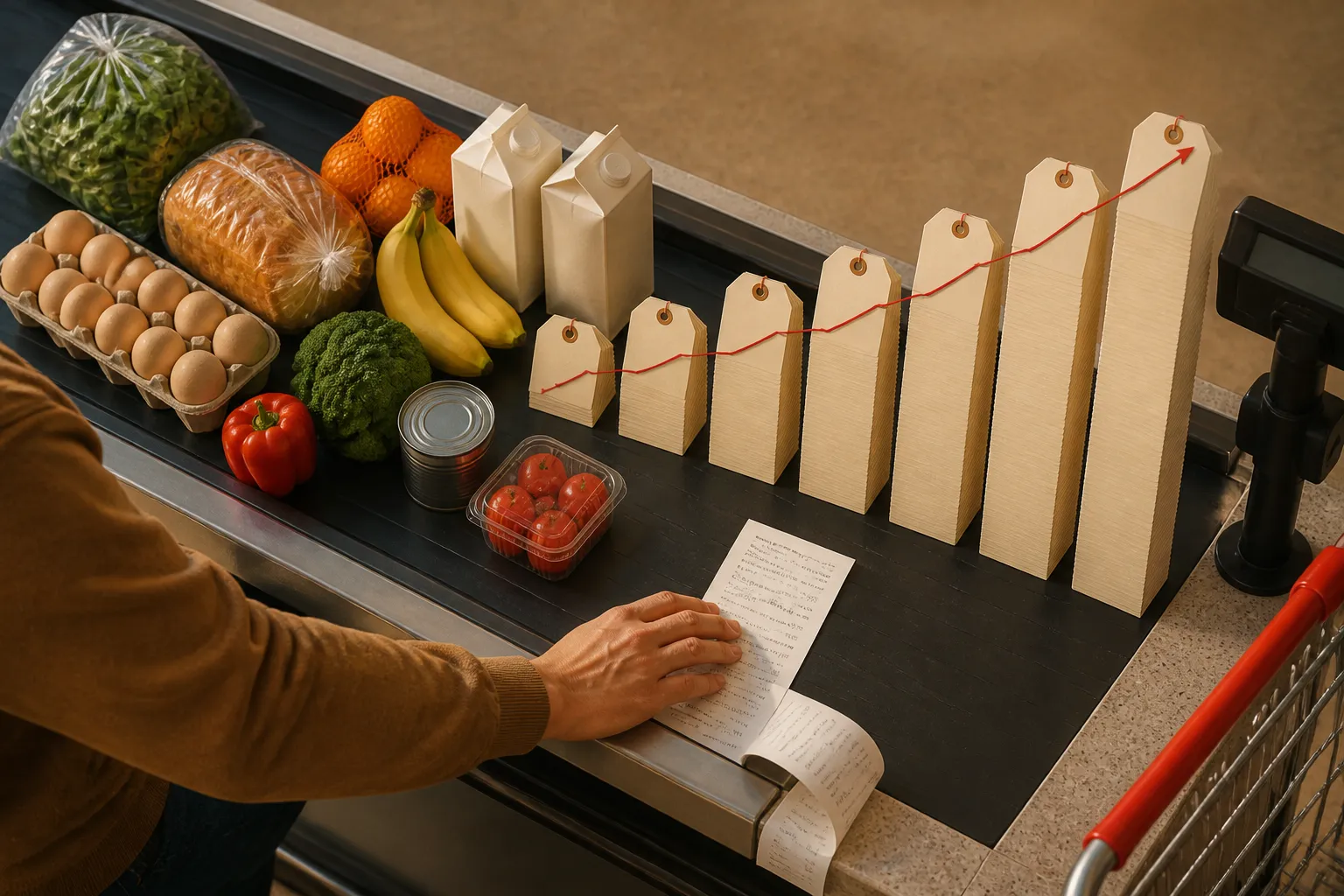










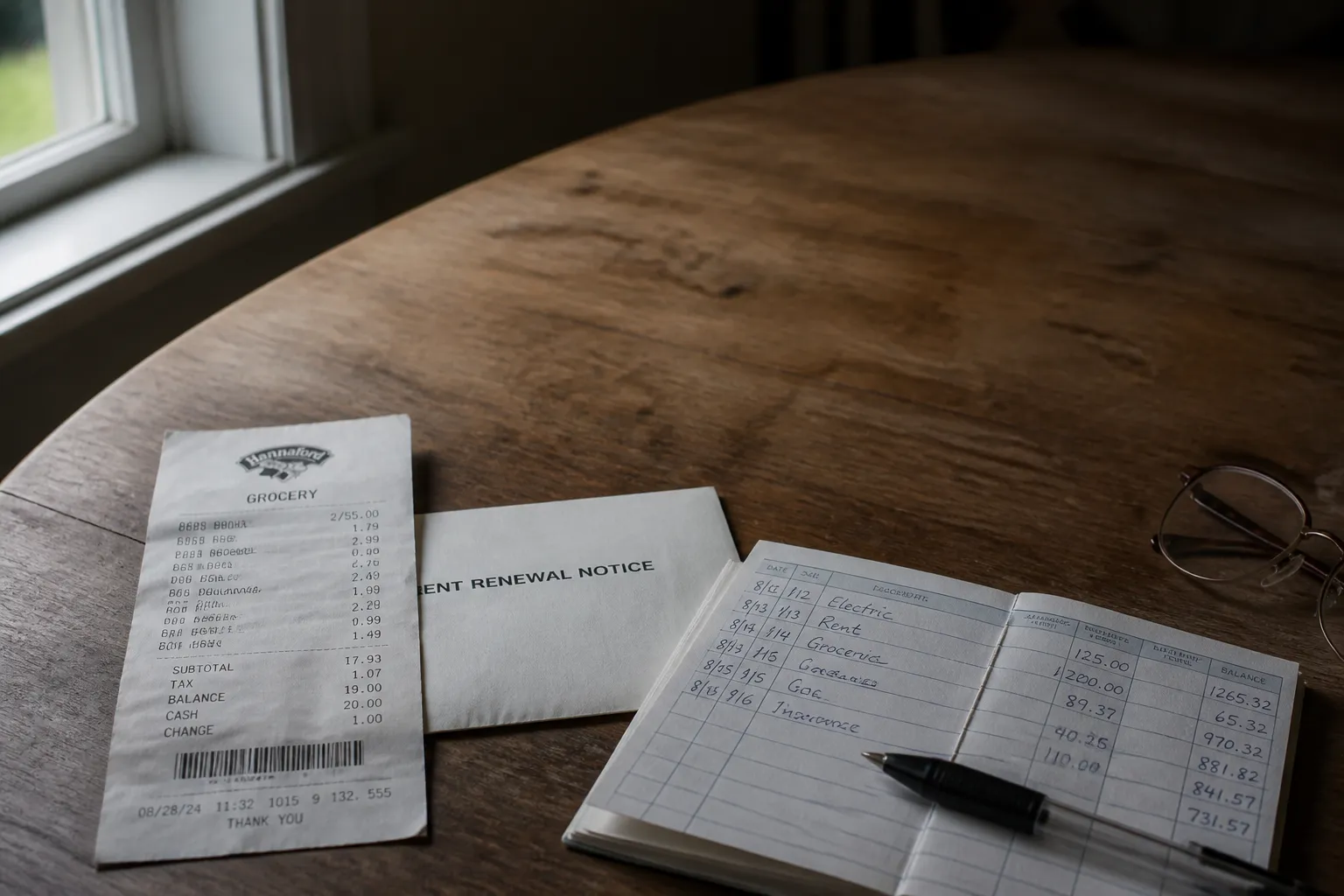
A court order that says $10,000 a year says $10,000 a year in every month it stays in force. Prices do not hold still. A grocery cart, a rent notice, a daycare invoice all drift upward, and the payment stays put. That gap is the whole story of how inflation touches child support and alimony.

Why a fixed support amount loses value over time
A support order sets a dollar figure. That figure stays the same until someone asks a court to change it. Meanwhile the same dollars buy less food, less housing, and less childcare each year. The payment has not shrunk on paper. Its buying power has.
Inflation is usually tracked with the Consumer Price Index, or CPI. It follows how prices for a set basket of goods and services change over time. The Bureau of Labor Statistics notes that the CPI can be used for escalation calculations, which means adjusting a fixed amount over time. That idea sits behind many automatic support adjustments. You can read the agency's overview here.
The erosion is slow. One month looks much like the last. A parent may not notice until the order and real expenses sit far apart. That is why some orders build in an adjustment and others do not.
What a cost-of-living adjustment is
A cost-of-living adjustment, or COLA, raises the amount of support due so the original figure keeps pace with rising prices. It is written into the order or tied to it. No fresh court case is needed each time prices move.
Rules differ by state. Minnesota requires full-service child support and spousal maintenance orders to include a cost-of-living provision unless the court specifically waives it, according to the Minnesota Department of Children, Youth, and Families. A parent there should check whether the provision is in the order or a waiver was entered.
New York also allows a COLA on child support orders. Per LawHelpNY, a parent does not need to show a change in personal circumstances. That keeps the inflation step apart from the broader process of changing support over income or custody.
How the adjustment is calculated and who triggers it
The order names the index and how often the adjustment happens. In Minnesota, the index appears in the order or in an attached document called Appendix A.
Minnesota full-service cases get an automatic adjustment on May 1 in each year one is due, and the child support office notifies both parents. Cases that are income-withholding only, or outside the child support program, can have a party ask the court instead.
New York's Support Collection Unit uses the CPI for Urban Areas, called CPI-U. It adds up the yearly cost increases, multiplies that total by the current support amount, and adds the result to the current amount. The state's example: a $10,000 yearly order with 10% cost growth from 1998 to 2001 becomes $11,000 a year.
The Unit sends notice to both parents. Either can request a review. The new order goes to both parents and the court, and parents do not have to hand over financial information. A judge can issue a new order under the Child Support Standards Act or keep the current amount if that act shows no change is needed.
Eligibility limits, timing, and deadlines
A COLA is not automatic everywhere, and it has gates. In New York, living costs must have risen at least 10% since the last order. Other conditions apply too:
- Payments run through the Support Collection Unit.
- The payer is not on public assistance or SSI.
- The Unit has the payer's current address.
- The order is at least two years old.
Timing matters. The new New York amount starts on the later of 60 days after the new order is issued or 24 months after the current order started. Until then, the old amount continues.
An objection must be filed in writing with the court within 35 days. Filing one stops the new amount from starting. A missed or late deadline can cost real money, so the notice deserves a close read.
Scope is another limit. Minnesota's COLA covers basic support and spousal maintenance only. Medical support and child care support are left out, so those costs may not rise on their own and may need a separate review.
Recent guideline updates and what parents can check
Some states revise their support guidelines partly because of inflation. Pennsylvania's guidelines took effect January 1, 2026, the first update in four years, and were described as reflecting rising living costs, per a law firm summary. For most income levels, basic obligations rose roughly 3% to 10%.
Other states changed guidelines in 2025 and 2026 for reasons that included inflation, according to one tracker. Texas raised its maximum net resources cap from $9,200 to $11,700 a month, effective September 1, 2025. The percentages did not change.
A new guideline is not the same as an adjusted order. A parent should check whether it reaches an existing order or only new filings, and whether a modification request is needed.
A few questions are worth asking the child support office or court clerk:
- Does my order have a cost-of-living provision, and did a court waive it?
- Which index and frequency does it name?
- Is my case full-service, or outside the program, so the adjustment must be requested?
- Has my state updated its guidelines lately?
The sources here leave gaps. They do not cover federal rules, most other states' COLA rules, or what happens when an order names no index. This is general education, not advice. Check your own order and official state sources, or ask a qualified family law professional.