











A tax refund is the one paycheck-sized deposit that shows up on a schedule you did not pick. If your budget runs thin before the end of each month, that lump sum feels like it already has a dozen claims on it. Some of those claims are fair. This piece walks through how to sort them, with some plain arithmetic and a few honest gaps in what the sources can confirm.
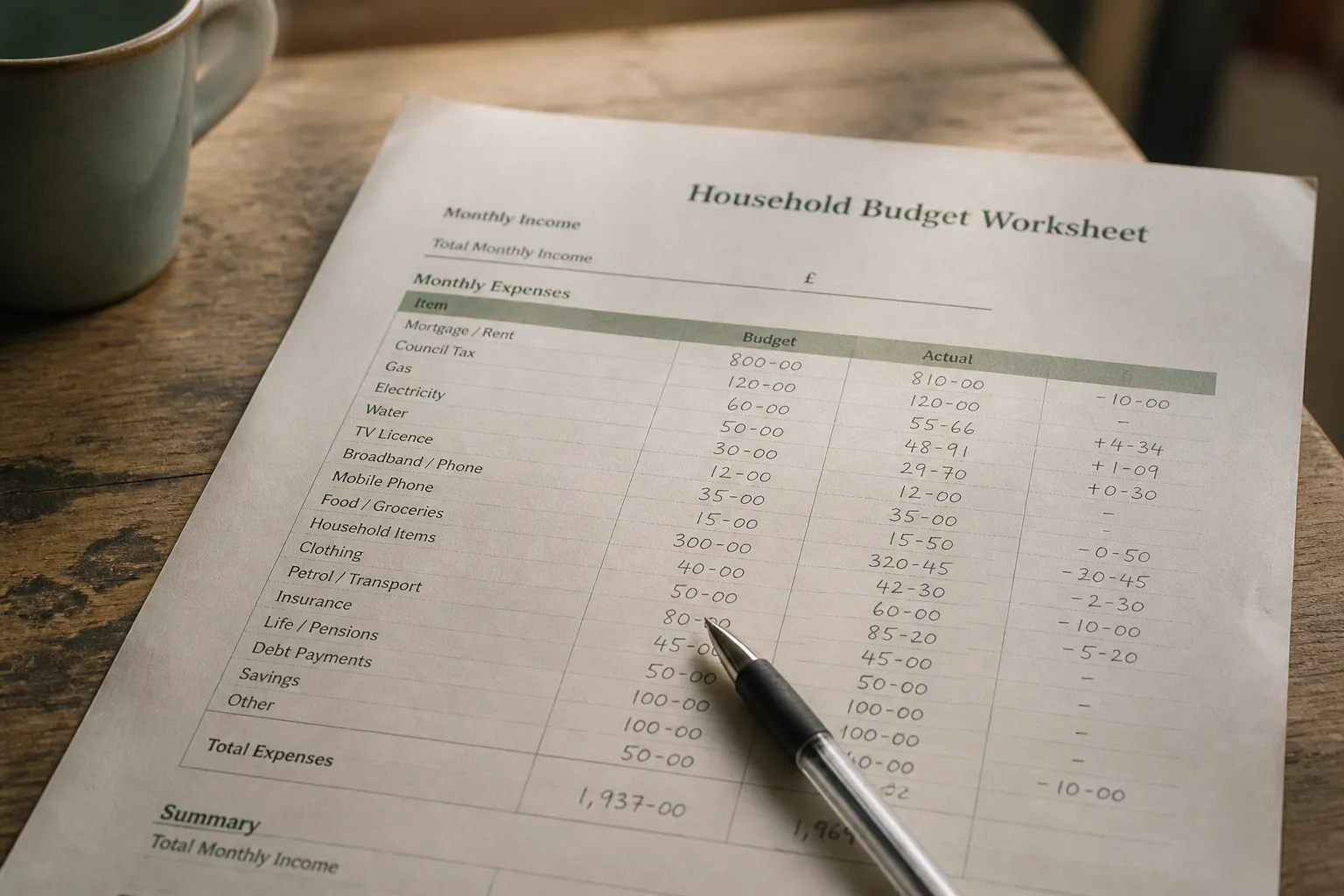
Why a refund can matter more in a tight month
A refund is a lump sum that arrives once a year. Regular income does not behave that way. For a household that runs short before payday, one deposit can cover a gap that would otherwise be filled with borrowing or missed payments. That is useful. It is also the reason refunds tend to vanish.
The Consumer Financial Protection Bureau (CFPB) describes an emergency fund as a cash reserve for unplanned expenses or financial emergencies, such as car repairs, home repairs, medical bills, or loss of income. Notice what is missing from that list: rent, groceries, and the phone bill. Emergency savings are for bills that are not part of routine monthly spending. If a refund quietly gets absorbed by routine costs, it was not saved. It was a late paycheck.
What an emergency fund is meant to do
The CFPB says a dedicated fund can help a household recover more quickly from an unexpected expense and get back on track toward larger savings goals. The job is continuity. It is not growth, and it is not an investment return. A reserve that earns nothing but keeps a $600 repair off a credit line is doing exactly its job.
The CFPB guide organizes the topic around six questions:
- What is an emergency fund?
- Why do you need one?
- How much should you hold?
- How do you build it?
- Where do you keep it?
- When do you use it?
Working through them in order is a cheap checklist to run before a dollar moves. For context, America Saves reports that among savers who take its pledge, nearly a quarter chose emergency savings as their first wealth-building goal. That is a survey observation about a group of savers. It is not a rule for your household.
Sizing the goal and weighing competing priorities
Here is the awkward part. The CFPB text reviewed for this article gives no dollar target. Neither should you trust a single number from anyone selling certainty. America Saves has article titles built around $500, but the body text was not reviewed, so treat $500 as a reference point and not a verified target.
A better method is arithmetic on your own list. Write down the unplanned costs most likely in your home. Put a rough price next to each. Then compare the total to the refund. Car costs are a common example: America Saves cites average household spending of more than $8,000 a year on car purchases and maintenance. That is a national average. It says nothing about what your car will cost, but it does explain why car repair tops many lists.
Emergency savings also compete with other goals. America Saves lists retirement, debt repayment, education, and homeownership alongside it. A refund cannot always do all of that. Rank the goals against your current debts, deadlines, and cash flow. The sources reviewed here do not say how to weigh debt payoff or retirement against a reserve, so that comparison is yours to make, ideally with a qualified professional if the stakes are high.
Splitting a refund across accounts
The IRS publishes a page on directing a refund to one, two, or three accounts, and a separate FAQ on splitting federal income tax refunds. The retrieved text of both pages was navigation only. That means eligibility, setup steps, timing, and limits are unconfirmed here. Read the IRS pages yourself before counting on it.
In principle, a split could keep a reserve apart from spending money, which helps if the temptation is to dip into one pile. Direct deposit also involves sensitive bank details. The sources reviewed do not address fraud risk, so confirm details through official IRS channels and be wary of any unsolicited message asking for your account information.
Questions to answer before deciding
Four questions do most of the work:
- How much would cover the unplanned expenses most likely in this household?
- Which bills are routine and already in the monthly budget, and which are truly unplanned?
- Would splitting the refund keep savings separate from spending money?
- What is still unknown, such as where to keep the money, including account type, access, fees, and insurance coverage?
That last one is a real gap. Check the CFPB emergency fund guide and any institution's own disclosures. Then check the IRS refund-splitting FAQ and the IRS direct deposit page for current rules. This article is general education, not advice for your situation.
Please seek a professional. This article is general information, not financial, tax or insurance advice. Please seek a licensed financial, tax or insurance professional about your own situation.


