











Two budgeting methods keep showing up in money advice. One gives every dollar a job until nothing is left over. The other splits take-home pay into a few percentage buckets. People argue about which is better. The federal sources I checked do not settle that, and I will not pretend they do.

What the sources do and do not cover
The Consumer Financial Protection Bureau (CFPB) page on budgeting and the MyMoney.gov tools pages talk about budgeting in general terms. Neither one defines zero-based budgeting or percentage budgeting. Neither gives steps, example percentages or trade-offs for either method. They also do not say which method fits which household.
So a numbered, source-backed side-by-side of the two methods is not possible here. Any article that hands you one, with exact percentages and a confident winner, is leaning on something other than these sources. Treat those claims as unverified until a regulator or another reliable source backs them up.
One more caution. The CFPB page is archived and dated June 5, 2019. It may be out of date, so check current CFPB pages before relying on it.
Why both methods start with the same two steps
Here is what the CFPB does say. Making and sticking to a budget is a key step toward managing debt and reaching a savings goal of any kind. You also need a realistic picture of what comes in and where it goes before you can tell whether anything is left to save. That is arithmetic, not philosophy.
The CFPB lays out two steps:
- Record all income. That includes self-employment earnings, multiple jobs, child support and government benefits.
- Log spending over an average month and sort it into categories such as utilities, housing, eating out and entertainment.
Any method you pick later runs on those two lists. A zero-based plan needs your income number to assign every dollar. A percentage plan needs it to calculate the buckets. If the income number is wrong, both break the same way, quietly and on the first of the month.
When tracking feels like too much
Logging a full month of spending can feel like a second job. The CFPB suggests starting small and reviewing expenses one week at a time. That is a modest ask. Seven days of receipts and bank entries will not give you a perfect month, but it will show you the shape of your habits, and a dry fact: most people are surprised by at least one category.
The CFPB page mentions an Income Tracker and a Spending Tracker. The sources do not describe them or confirm they still work. A pencil and a notebook do the same job, and no app is required. If you want the official tools, verify them on current CFPB pages first.
Federal budgeting worksheets to check
MyMoney.gov lists federal budgeting worksheets, calculators and checklists, and its tools page has a Budgeting Worksheets section with interactive worksheets. The MyMoney.gov home page is the other place to start. The fact sheet does not name or describe the individual worksheets, so I cannot tell you which approach they take.
That leaves a simple test you can run yourself. Open a worksheet and ask two questions. Does it have a place for every income source you listed? Does it let you sort spending into categories you recognize? If yes, it can support either method. If no, move on.
Picking a method after the groundwork
Once you have the two lists, you can try each method on paper for one month and see which one you actually follow. That is a test, not a verdict. The sources say nothing about time cost or how either method handles irregular income or surprise bills, so judge those points from your own numbers. For advice on your own situation, a qualified professional or a nonprofit credit counselor is the better source, and this article is educational only.
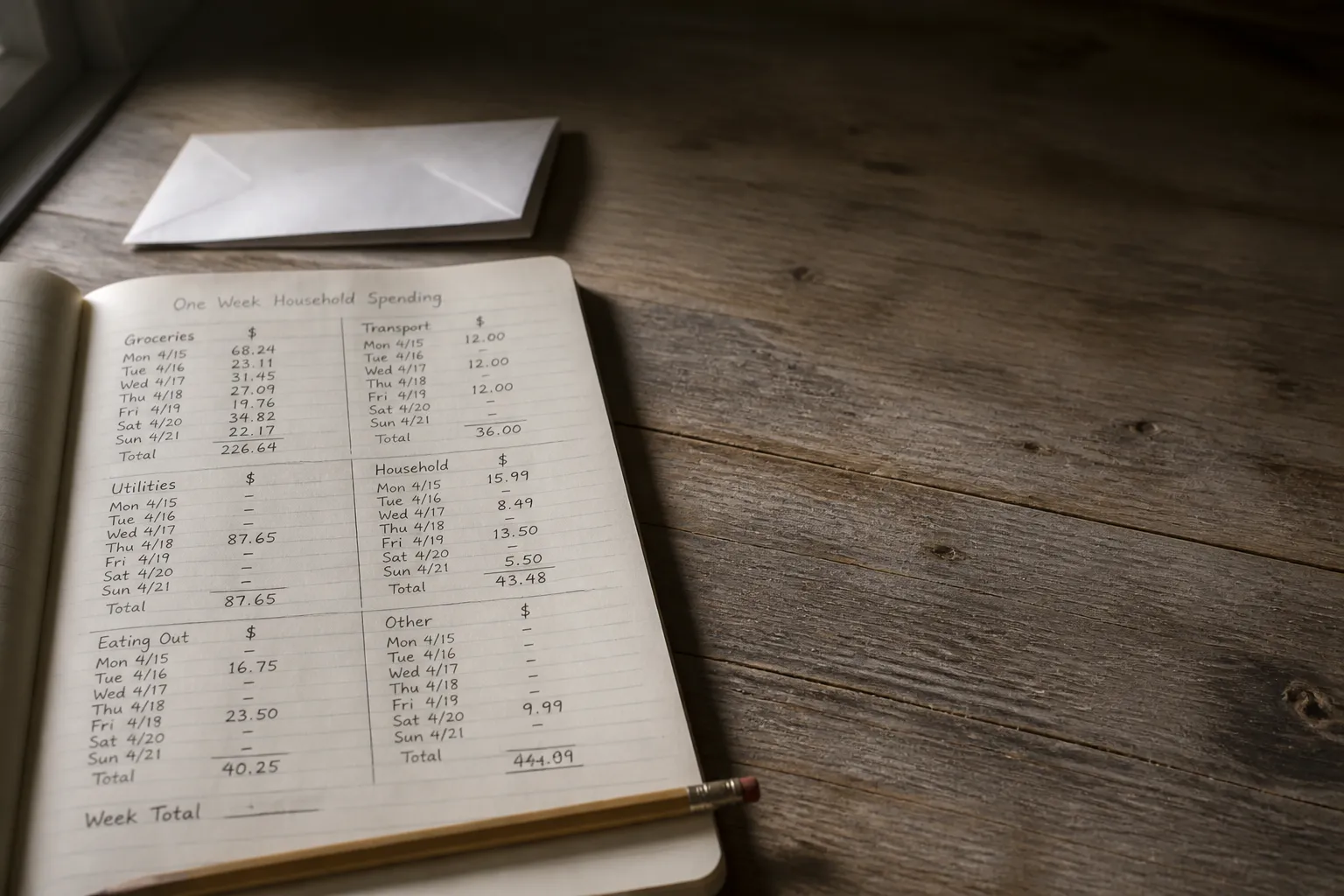
Start with the week. Write down what came in, write down what went out, and add it up. The method debate can wait until you have numbers to argue with.
Please seek a professional. This article is general information, not financial, tax or insurance advice. Please seek a licensed financial, tax or insurance professional about your own situation.


