











A loan payoff feels like a raise. It is not one. Your paycheck is the same size, and the money that used to leave on the 15th now sits in checking with no job. Left alone, it tends to get absorbed by groceries, delivery fees and whatever else was already nibbling at the account. This piece is general education, not advice for your situation.
Start by mapping where your money actually goes
Before deciding what to do with the freed-up payment, find out where everything else goes. The Consumer Financial Protection Bureau (CFPB) suggests reviewing several months of checking account and credit card history. If you pay in cash, save receipts and tally them weekly or monthly. Do not leave anything out.
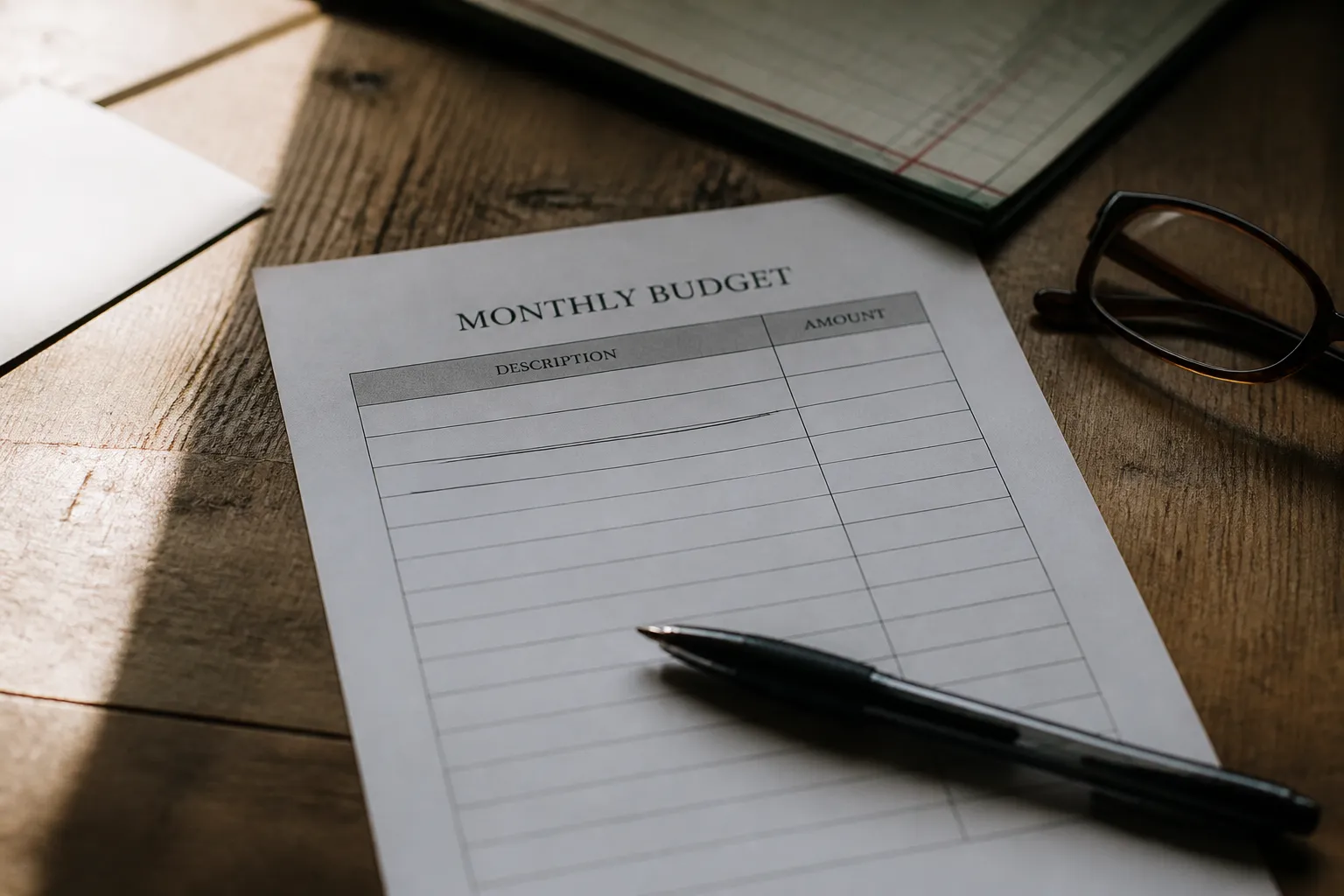
Then write an as-is budget. That means what you spend, not what you wish you spent. Add a miscellaneous line, because small irregular purchases are the ones people forget and the ones that make a tidy budget fall apart by the 20th.
Compare take-home pay with your real expenses
The math is short. Take your monthly take-home pay, meaning what lands in your account after taxes and deductions. Subtract your average monthly expenses from bank, credit card and payment app statements. What remains is your working room.
- Add up take-home pay for a typical month.
- Average your expenses over several months, not just the best one.
- Subtract. If the result is negative, the old loan payment was hiding a gap.
- Note the old payment amount separately so you can see it as its own decision.
Look at the largest expenses first. Trimming a big bill moves the number more than trimming ten small ones. Ask which costs can be reduced, paused or cut, and which are fixed. A spreadsheet works fine. So does a financial management tool. The tool matters less than checking in every month.
Decide where the freed-up payment should go
Pick the destination before the money arrives. Otherwise it drifts. One common choice is an emergency fund, which is a cash reserve for unplanned costs like car repairs, home repairs, medical bills or lost income. The CFPB notes that emergency savings can cover bills large or small that fall outside your normal monthly spending.
Other choices include saving for a planned goal or sending the same amount to another debt. The sources behind this article give no rule for which is best, and they give no dollar target for an emergency fund. That means the answer depends on your income, your other debts and how steady your paycheck is. Weigh the options against the full budget you just built.
If you still carry other debts, compare repayment methods
The National Foundation for Credit Counseling (NFCC) describes two do-it-yourself methods. Both work without outside help.
- Debt avalanche: pay minimums on everything, then put extra money on the debt with the highest APR (annual percentage rate, the yearly cost of borrowing). Then move to the next highest. This is the one associated with saving on interest.
- Debt snowball: pay as much as possible on the smallest balance, minimums on the rest, then roll that money into the next smallest. This tends to suit people who need visible wins to keep going.
Pick one and stick with it. Adding new debt while you do either one stretches out the finish line. Consolidation, which combines debts into one, may lower a monthly payment or interest charges. It does not erase the debt, and a low payment over a long term can cost more interest overall. Dry aside: a smaller payment is not the same as a smaller debt.
NFCC also reports that in 2025, 77% of parents said they were in debt and 48% called it unmanageable. If that sounds familiar, you are in large company, and a nonprofit credit counselor can review your numbers with you.
What the sources do not cover
These sources do not explain how paying off a loan affects credit scores, so this article does not either. The credit bureaus' own consumer pages are a better place to look. The sources also give no set emergency fund size and do not describe the terms of paid-off auto, student or personal loans. Check your loan documents and your lender's final statement for account-specific details, and consider a qualified professional for personal, legal or tax questions.
Please seek a professional. This article is general information, not financial, tax or insurance advice. Please seek a licensed financial, tax or insurance professional about your own situation.


