








Groceries are not getting cheaper in 2026, just less unevenly expensive. USDA data put food-at-home prices up 2.1% in January from a year earlier. One food industry source says the weekly cost for a household has gone from about $120 to $170 since 2020. That is roughly 40%, which is the kind of number that makes people stop buying vegetables first. Don't. This is general education, not personal financial advice.
Start with the plate, not the price tag
The 2020 Dietary Guidelines for Americans use the MyPlate model. Federal guidelines get updated every five years, so this is current advice, not a fad. Picture a plate in four sections. Vegetables are the biggest, grains come next, and fruits plus vegetables together fill half. Protein and grains split the other half. Dairy is a small circle on the side.
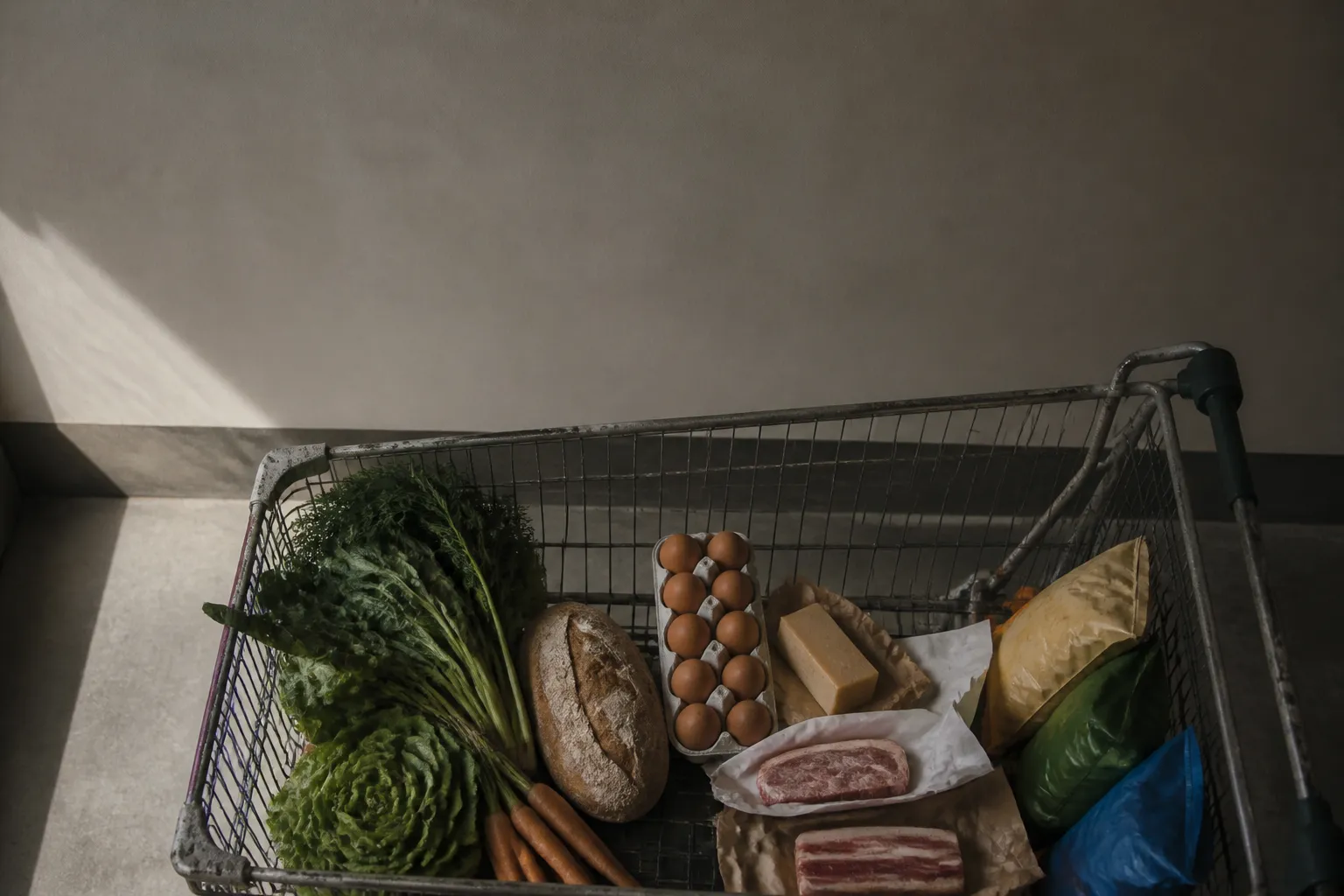
Use that as a checklist on your cart before you reach the register. If the cart is mostly snacks and the produce corner is empty, you have found your problem without a spreadsheet.
One detail helps the budget. The protein group is not just meat. It includes fish, shellfish, eggs, beans, peas, nuts, seeds and soy products. Beans and eggs sit in the same group as steak. When one item spikes, you can swap within the group and the plate stays balanced.
MyPlate is a rough picture, not a rulebook. Critics point out that people imagine portions differently. If you want precision, check serving sizes on the label.
Use the Nutrition Facts label to compare packaged foods
The FDA suggests using the Nutrition Facts label together with MyPlate. The label tells you what is in the box. The plate tells you whether the box belongs in your cart at all.
Two quick checks do most of the work:
- Look at the added sugars line. A cheaper product that is mostly added sugar is not a bargain.
- Read the ingredient list. Shorter is often simpler, though not always better.
The guidelines favor whole or cut-up fruit without added sugars, and low-fat or fat-free dairy or fortified soy alternatives. They also steer away from fried vegetables. So the cheap fried side is a weak deal nutritionally. Plain vegetables, cooked simply, tend to be both closer to the guidance and cheaper.
One caution. The FDA notes that what you eat over time matters. One bad cart does not wreck a diet. Look at a few weeks, not one receipt.
Read the price outlook before you plan purchases
The USDA Food Price Outlook is built mainly from Consumer Price Index and Producer Price Index data, the same family of numbers the Bureau of Labor Statistics publishes. The 2026 projections are estimates, not promises. Your local store may differ.
Here is the arithmetic. USDA projects overall food prices up about 3.1% this year. Groceries are projected up about 2.5%, below their 20-year average pace. Food away from home is projected up about 3.7%, above its 20-year average of 3.5%. One outlet reports nearly 4% for restaurants. The sources do not explain the gap, so check the USDA release if you need the exact figure.
The direction is the same either way. Restaurant prices are rising faster than grocery prices. Moving a few meals into your own kitchen slows the growth of your food bill. It will not shrink it by itself.
By category, the forecasts split sharply:
- Beef and veal: about 15% higher in January than a year earlier, with a further 5.5% forecast and wide uncertainty.
- Sugar and sweets: about 6.7% higher.
- Non-alcoholic beverages: about 5.2% higher.
- Fresh vegetables: about 1.4% higher. Fresh fruit: a fraction of a percent.
- Eggs: forecast to fall about 27.4%.
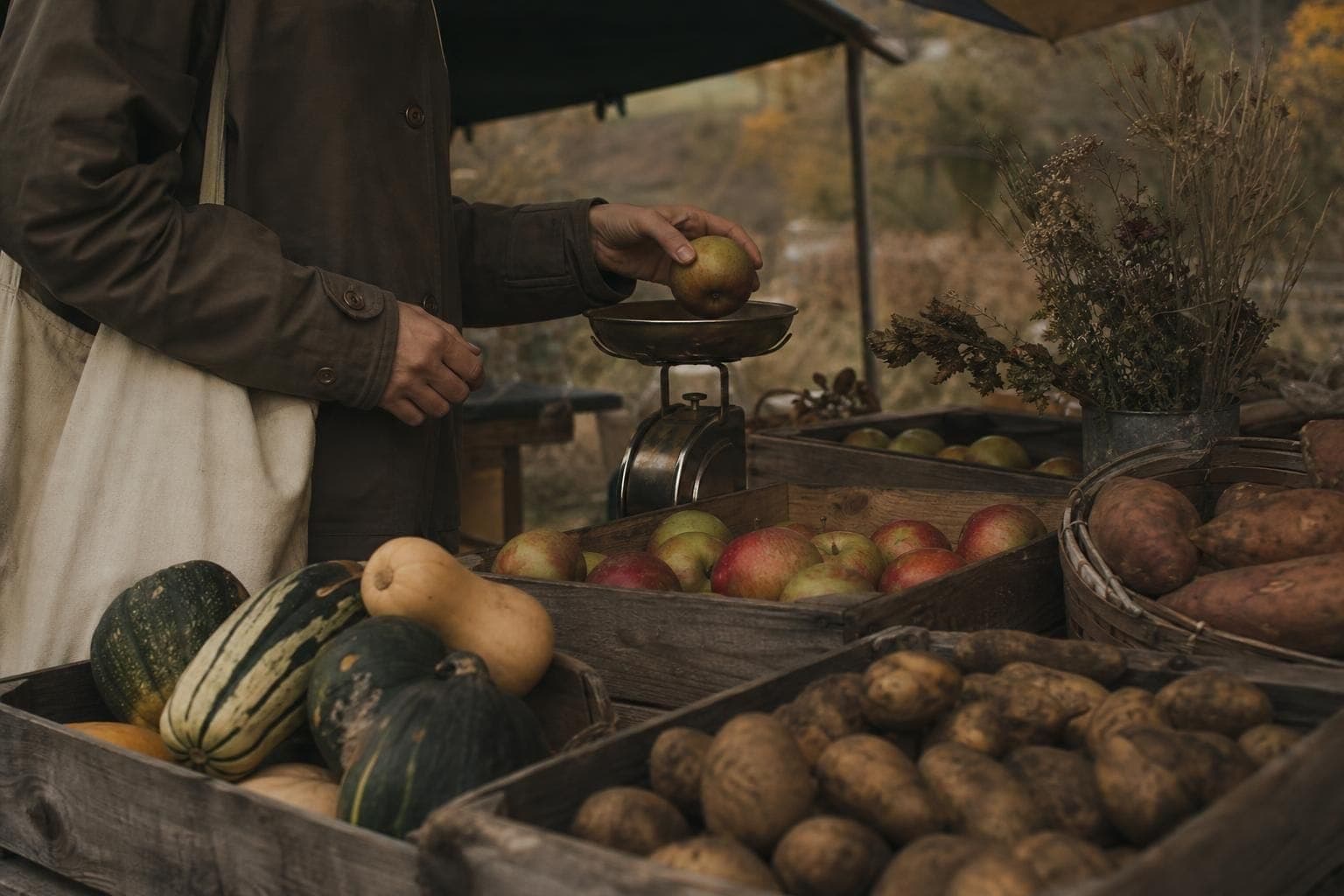
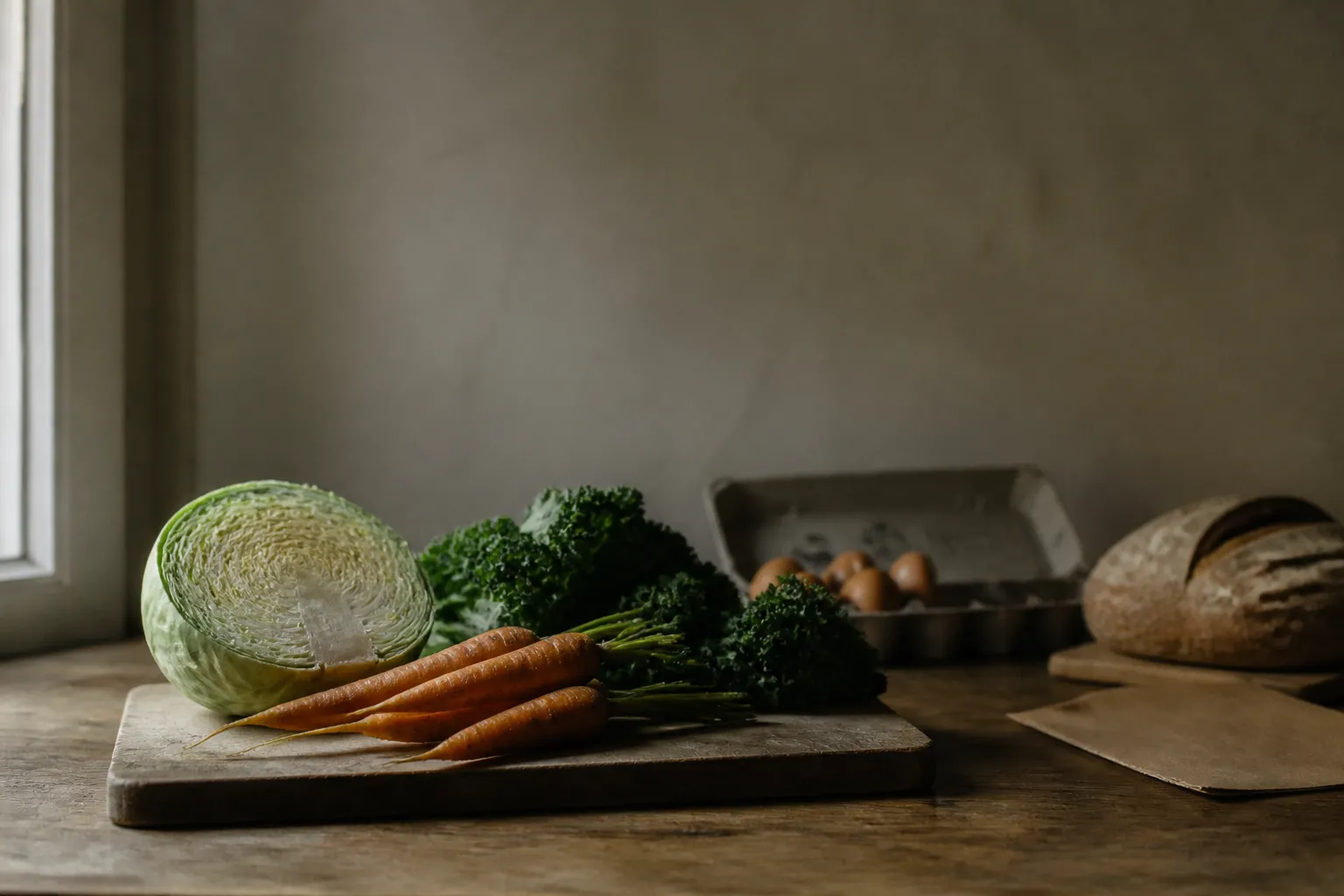
Notice that the fast risers are beef, sweets and drinks. The slow ones are produce and eggs, which happen to be what MyPlate wants more of. That is a rare case of the price chart and the nutrition chart agreeing.
Ask practical questions at the shelf
Two questions per item are enough. Does it fit the half-plate of fruits and vegetables? Does it carry added sugars? If the answer to the second is yes and the first is no, put it back or at least know why you are buying it.
Then review your usual list. Which items sit in the fast-rising categories? Swap one beef purchase for beans, eggs or canned fish, and the protein group is still covered. Nothing here requires a coupon app or a heroic effort.
Federal tools exist if you want more. The MyPlate site has budget-friendly tips and recipes, and it links to SNAP savings information by area. For eligibility or how to apply, go to official USDA or state SNAP resources directly. A registered dietitian can speak to your own health needs.
What the sources do not cover is worth stating plainly. There are no regional prices, no sample budgets in dollars, and no store tactics. Local price checks are the next step. Write down what your five most-bought items cost this month, compare in three months, and trust that over any national forecast.
Please seek a professional. This article is general information, not financial, tax or insurance advice. Please seek a licensed financial, tax or insurance professional about your own situation.