










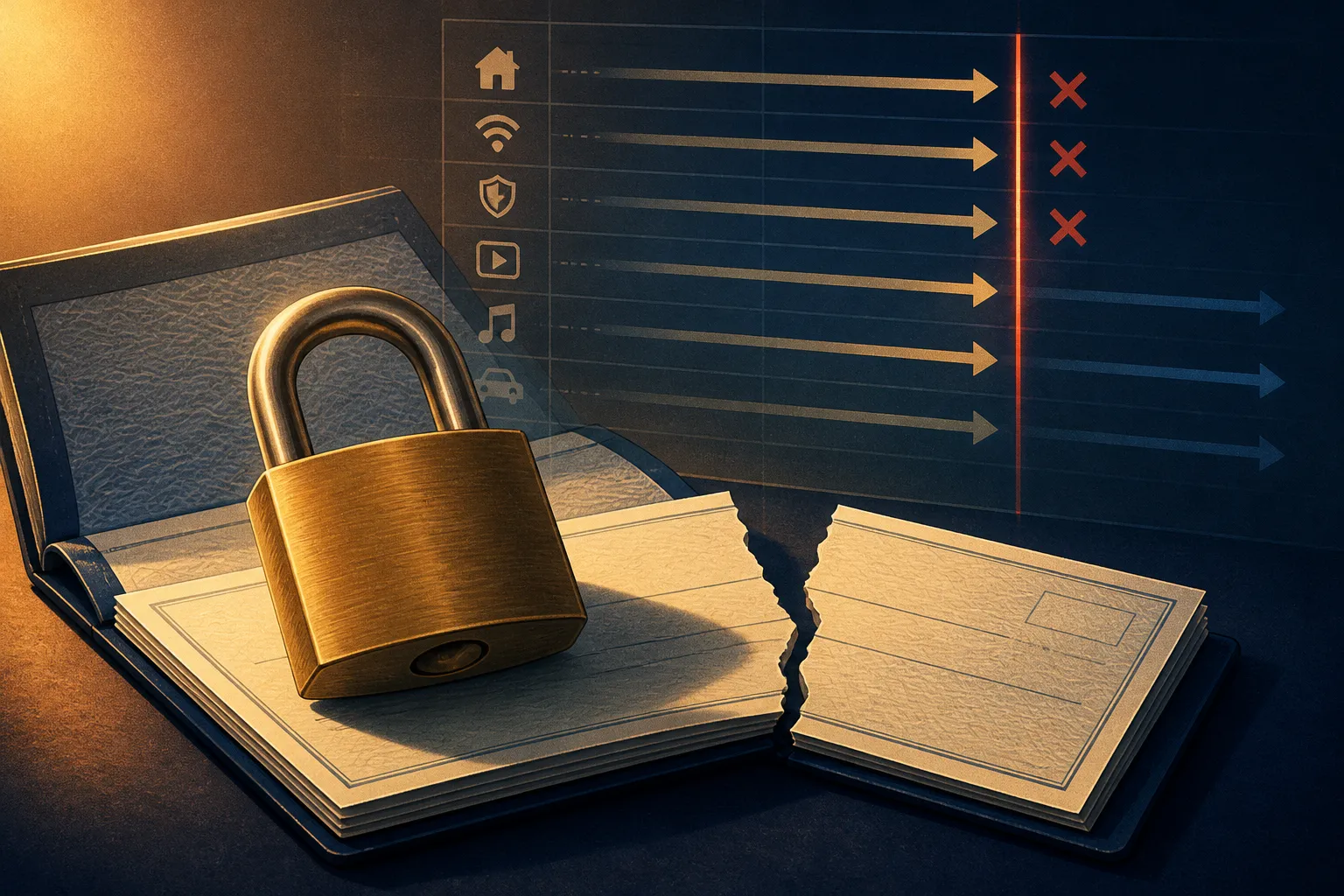
A stop payment order asks your bank or credit union to block a payment from your account. The fee matters, but so do three other details: whether the payment has already gone through, how precisely the order identifies it, and when the order expires. A paid fee alone does not establish that every future attempt will be blocked.
The process also depends on what you are stopping. A personal check and a recurring automatic debit follow different rules. Before placing an order, identify the payment type and ask the institution what information and written confirmation it requires.
What a stop payment order actually does
A stop payment order is an instruction to the institution holding your account. For a check you wrote, it asks the institution not to pay that check. For an automatic debit, meaning an electronic withdrawal initiated by a company, it asks the institution to block the specified payment or payments.
That bank instruction is separate from withdrawing the company's permission to debit your account. The Consumer Financial Protection Bureau explains that you can stop automatic payments even if you previously authorized them. Withdrawing that permission is called revoking authorization.
The distinction has practical consequences. If you are ending a service, tell the company that you are canceling it and follow the applicable cancellation process. If you are keeping the service but changing how you pay, say that instead. Stopping a withdrawal does not, by itself, cancel a contract or erase an amount you owe.
What it costs, and which deadlines matter
There is no single stop payment fee that applies everywhere. Institutions may charge for stopping a check or a preauthorized debit. The official guidance cited here does not establish a typical dollar amount. The useful number is the fee in your institution's current schedule, along with any charge for renewing the order.
Duration is a separate question. According to the Office of the Comptroller of the Currency's check guidance, a written stop payment order often lasts six months and can be renewed for another six months. The CFPB notes that state rules can differ, with some check orders lasting one year. Ask for the actual expiration date rather than assuming the order is permanent.
For recurring electronic payments, notify the institution at least three business days before the scheduled payment. An oral request may also need written confirmation within 14 days. That creates two deadlines: one to get the order in before the withdrawal, and another to keep a phone request effective. Ask where to send the confirmation and how to verify its receipt.

How to stop an automatic debit
For an automatic debit, the clearest record covers both sides of the transaction: the company requesting payment and the institution holding your account. A bank stop order can block a payment even before you revoke authorization with the company, but the two actions serve different purposes.
- Contact the company. Call and write to withdraw permission for automatic debits. Specify whether you are canceling the service or only changing the payment method. Keep a copy of the written notice.
- Notify your bank or credit union. Explain that you have revoked authorization. Ask how to submit that notice and whether a separate stop payment order is needed for an upcoming withdrawal.
- Identify the payments. Provide the merchant's name, your account number with that merchant, and the amounts and scheduled dates. Clarify whether the request covers one payment or all recurring debits from that company.
- Complete the paperwork. If you start by phone, ask whether written confirmation is required and obtain the deadline and submission instructions.
The OCC's guidance on charges for canceled services emphasizes supplying enough detail for the bank to identify the transactions. A request to “stop that subscription” may leave important questions unanswered, especially when the merchant uses a different billing name.
Recurring-payment stop orders may have a stated duration, often six months under the OCC's general guidance. But an order's expiration and a company's authority to debit your account are different issues. Expiration does not itself give the company fresh permission after authorization has been revoked.
How to stop a check you wrote
Contact your bank or credit union promptly. Ask whether the check has already been paid and what details are needed to identify it. Have the check number, date, payee, and amount available. The institution needs enough information, and enough time, to act before payment.
A phone call may start the process, but it may not finish it. The OCC says an oral check stop payment order lapses after 14 calendar days unless confirmed in writing. Follow the institution's confirmation instructions and retain a copy. Also record the order's expiration date and ask how renewal works.
The general rule favors a properly placed order: a bank may be liable if it pays a check despite a valid stop payment. The exception matters just as much. The OCC says the bank may not be liable if the customer supplied insufficient identifying information or too little notice. If a stopped check clears, the request record helps establish what the institution received and when.
What a stop payment cannot reliably solve
A cashier's check is a different instrument from a personal check. It is drawn on the issuing bank, not directly on your account. The OCC says customers generally cannot stop payment on a cashier's check. If one is lost or stolen, ask the issuing institution about its separate claim and replacement process.
A stop payment also cannot reliably undo a transaction that has already been completed. If a debit has posted, ask about the applicable error-resolution or refund process rather than assuming a new stop order will reverse it.
The CFPB explains that after you revoke authorization with both the company and your institution, later debits by that company are errors and you can contact the institution about a refund. Review account activity and report an unexpected debit promptly. A stop order and an error claim are separate requests.
The questions that make the order useful
Before ending the call or submitting the form, get answers that describe the order's actual coverage. “Your request is accepted” leaves more uncertainty than a confirmation stating which payments are covered and when the order ends.
- What is the fee, and is there a separate renewal fee?
- Does the order cover one transaction or every recurring debit from this company?
- Is written confirmation required, and when must it arrive?
- What is the expiration date, and how is the order renewed?
- What confirmation or reference number will document the request?
Check the stop payment provisions in your deposit account agreement as well. Rules and procedures can vary by payment type, state law, and institution. This is general consumer education. For an unresolved payment dispute, consult the relevant official guidance or a qualified professional about the circumstances.
Please seek a professional. This article is general information, not financial, tax or insurance advice. Please seek a licensed financial, tax or insurance professional about your own situation.


