





Nobody publishes one official number for back-to-school spending. What exists are surveys, and they disagree. It is January, which is a quiet time to plan for fall, so here is a way to build a budget without leaning on any of them.
Start with the spread. The National Retail Federation (NRF) survey reported K-12 families planning to spend an average of $874.68. NerdWallet's survey with The Harris Poll put it at $611 per shopper. Deloitte estimated about $557 per student. That is a gap of more than $300 between the high and low figures. The excerpts available do not explain how each survey was run, so treat each number as a rough reference, not a target.
Your household is not the average. One child with a short list and three children with different grade requirements are different problems. The plan below works from your list, not theirs.
Start with the numbers, and expect them to differ
A JLL report found budgets rising 11.7% to about $489 per child, while inflation ran near 4% when it was measured. It also found nonessential spending fell to 56% of budgets from 60%. That suggests more money is going to required items. Maybe. It is one report, and a trend line does not tell you what your own fall will cost.
So use the surveys for a gut check only. If your total comes out far above or below them, that is not automatically a problem. It means your list is different from the average list.
Build your budget from the school list
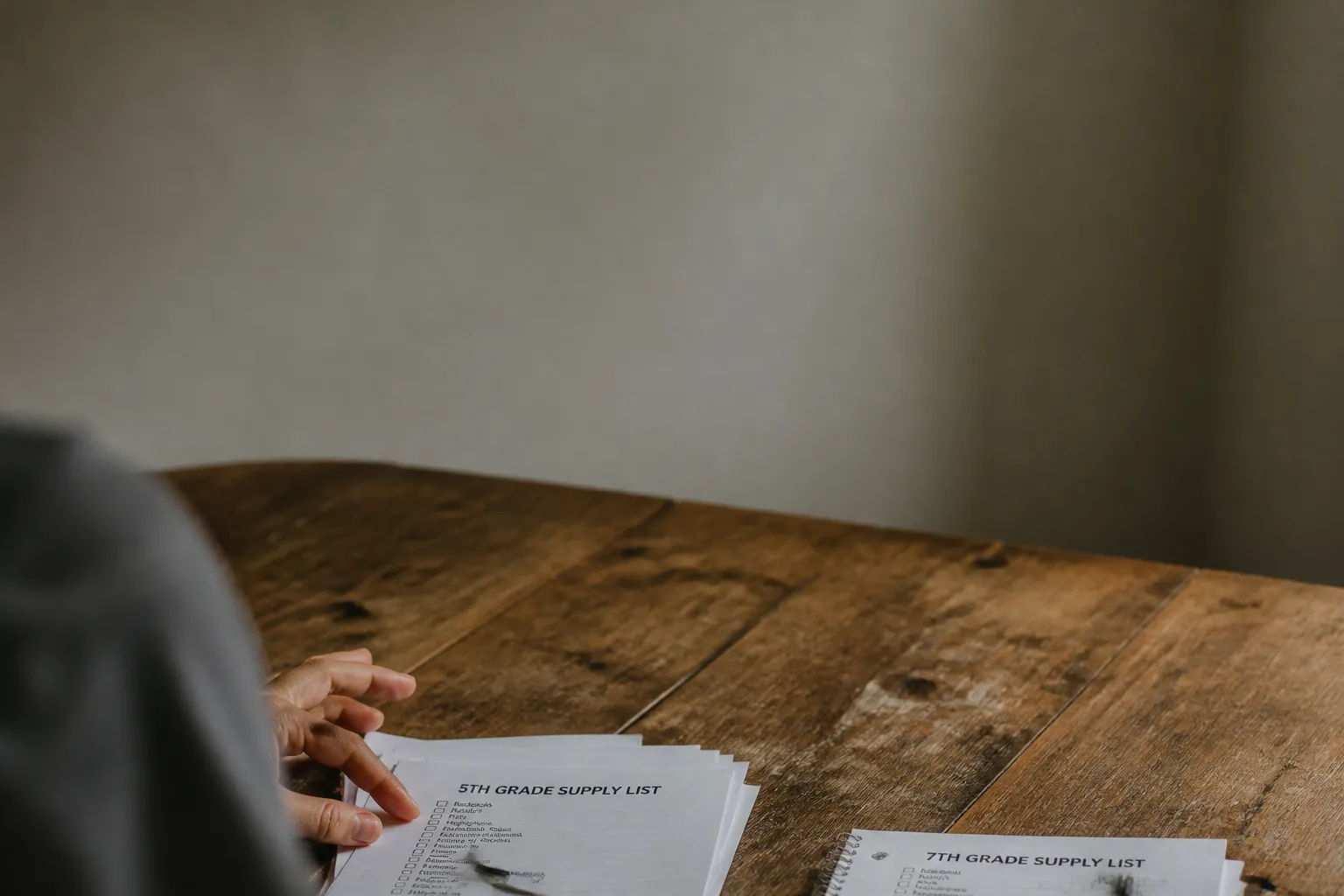
The teacher's supply list is the best data you will get. New York City's Department of Consumer and Worker Protection advises making a list from it, setting a budget based on what you have to spend, and sticking to both, online or in store.
Here is the arithmetic, with made-up prices for illustration:
- Add up required items at prices you have actually checked. Say $140.
- Add a cushion for the lost calculator or broken lunch box. Say 10%, which is $14.
- Add optional items only if there is room. Say a $30 backpack upgrade.
- Total: $184. Decide whether that fits your cash flow without borrowing.
The sources reviewed give no recommended savings target or worksheet, so those percentages are mine, not an official rule. Change them. Then write the final figure down and check it against receipts as you go.
One data point on restraint: 47% of shoppers in NRF's survey said they planned to buy only essentials. That is the simplest cut available.
Time your purchases and compare prices
NRF reported that 62% of shoppers had started by early July, versus 67% the year before and 55% two years earlier. Shoppers had finished an average of 44% of their list by early August, up from 23% in early July. And 52% of K-12 shoppers planned to finish in the week or two before school. NRF notes many people wait for deals or spread spending across the season.
Waiting can save money. It can also leave you with the wrong size or an empty shelf. That trade-off is yours to weigh.
The Consumer Financial Protection Bureau (CFPB) calls comparing prices online and in store a good habit. Check that a sale price is real and still available before you plan around it. Some shoppers in NRF's survey also used discounts, secondhand goods and AI shopping tools. If you buy used, look the item over yourself. The sources say nothing about quality or safety standards for used goods.
Protect your information and your money while shopping
Busy shoppers make easy targets. Before paying on a site, check that the address starts with https or shows a padlock. Skip personal details on public Wi-Fi. Type a store's address yourself instead of clicking a link in an unsolicited email or social post. The NYC consumer guidance covers these points.
A coupon that demands personal information may be a data grab. The CFPB warns that free online offers, like ringtones or games, can lead to charges nobody notices. If your kids play games on a device, review in-app purchase settings and pause before one-click buys. The Federal Trade Commission adds that scammers impersonate well-known charities and sweepstakes, so an unexpected prize call deserves suspicion.
Keep receipts, understand return rules, and involve your children
Receipts are how you check the plan and handle returns. Rules vary by place. In New York City, stores must post prices and cannot charge more than the posted price. Receipts are automatic over $20 and on request from $5 to $20. If a store does not post its refund policy, a refund is owed within 30 days. Those rules are for New York City only. Rules elsewhere are not covered in the sources, so check your own state and local rules or ask a qualified professional.
Before you buy, ask four things:
- Is this on the teacher's list or my child's stated need?
- Does the store post prices and its refund policy?
- Is the site secure before I enter payment details?
- Is a free offer asking for information it does not need?
Then bring the kids in. The CFPB suggests sharing family spending priorities and letting children pick supplies within a set amount. Two notebooks at the same price is a small lesson in trade-offs, and it costs nothing.
What the sources do not cover: how to fund school costs with a card, savings, an emergency fund or a payment plan, and whether your state has a sales tax holiday. Those depend on your situation. This article is educational only, so check official sources or a qualified professional for your own.
Please seek a professional. This article is general information, not financial, tax or insurance advice. Please seek a licensed financial, tax or insurance professional about your own situation.