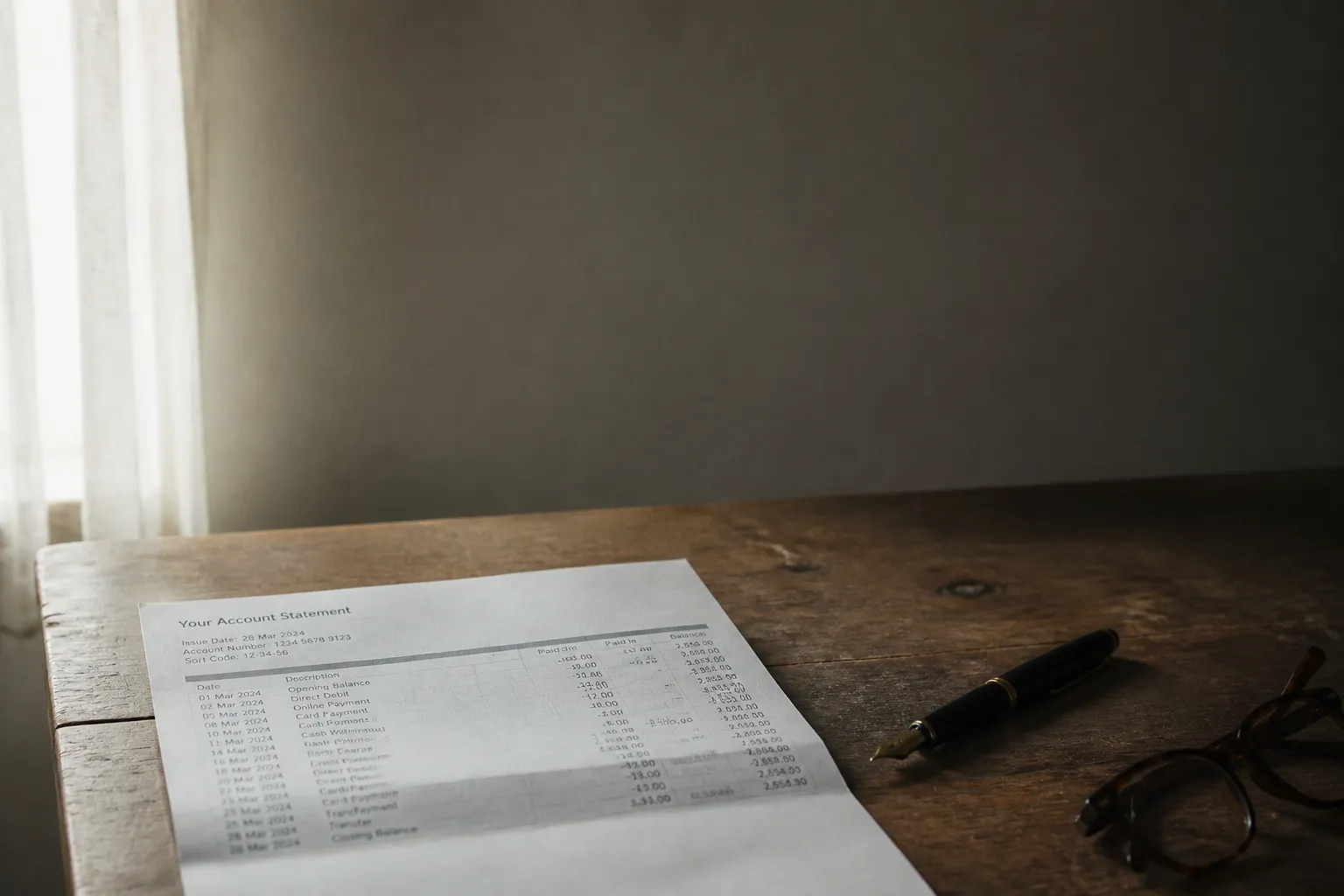

A deposit lands. It is large, it is one number, and it feels like it has a clock on it. Before any of it moves, write four lines on a sheet of paper. That is the whole worksheet. Each line holds one decision, and each decision gets its own answer before any money is spent, moved, or handed to someone else.
Why put the plan on paper first
A windfall can be an inheritance, a legal settlement, a lottery payout, or the proceeds of a business sale. It usually shows up as a single deposit. That creates pressure to act. The CFP Board has reported that a one-time payout can be life-changing, yet many Americans risk mismanaging it without a plan, with potentially damaging consequences. Paper is a cheap way to slow down.
Writing forces you to name each decision separately. Taxes are one decision. Where the money sits this week is another. Debt is a third. Side by side, you can see which ones you have researched and which ones you have only assumed.
The CFP Board piece also notes that some people who inherit hesitate to take even modest distributions while they are still grieving. A page helps there too. It lets you set the money aside without deciding anything else, and it lets you come back to it on a calmer day.
A page is also a record. If you later talk to a tax preparer, a financial professional, or a relative with opinions, you can show what you were weighing and what you still needed to confirm. That beats reconstructing it from memory.
The four lines on the worksheet
These four questions are a thinking frame, not a formula. Each one points to a place to verify the answer.
- Tax: Is this money taxable, and could anything be withheld now or owed later? Lump sums are treated differently depending on where they came from. The IRS publishes pages on large gains and lump-sum distributions within its estimated tax FAQs, and Topic no. 412 covers lump-sum distributions. Read the current versions, or ask a qualified tax professional.
- Parking spot: Where will the money sit while you decide? Write down the account, who can access it, and how quickly you could reach the funds.
- Existing obligations: What debts do you carry, and do you already have an emergency cushion? Write the balances and rates next to each other so the trade-offs are visible.
- Open questions: What can you not answer yet? Write those down too.

The fourth line matters most. An open item on paper is more useful than a guess made under pressure. It also gives you a ready agenda for a professional, so the first meeting starts with specific questions instead of a general worry.
Working through the tax line
Tax is the line most likely to hold a surprise, so give it the most room. The first task is to identify what kind of money this is. An inheritance, a settlement, sale proceeds, and a retirement account payout can each be handled differently. Write the source of the money at the top of the line, then write what you do not know about how it is treated.
The IRS has an estimated tax FAQ section that addresses large gains and lump-sum distributions, and a separate tax topic on lump-sum distributions. Use them to see whether the rules might apply to you, and note the page and date you read. Tax rules change, so a note on when you checked is worth the few seconds it takes.
Then write the question for a professional. Something like: should I expect withholding, and do I need to make estimated payments this year? That question is worth asking before the money is spent, because a tax bill is much easier to pay from money that is still there.
Parking the money and handling debt
The second and third lines work together. While you decide, the money has to sit somewhere. Write down the name of the institution, the type of account, and what you still need to confirm about how it is insured. The FDIC publishes deposit insurance information on its own site, and checking it takes a few minutes. Large deposits are exactly where coverage limits matter, so confirm the current figures there rather than trusting memory or a friend.
For debt, list each balance, its interest rate, and any penalty for paying early. Put an emergency cushion on the same line, even if the amount is zero today. Writing both together shows the real choice. Paying down a card and keeping cash on hand compete for the same dollars, and seeing them next to each other makes the trade-off concrete.
Do not rank them yet. This stage is only about getting the facts onto the page. A professional can help you order the steps once the numbers are visible.
Rushed decisions and who to ask
Large sums attract attention. Investment pitches, limited-time offers, and requests to move money quickly often follow a visible windfall. Decide in advance, on paper, that you will not act on an urgent request until you have verified it yourself. A rule you wrote while calm is easier to follow when someone is pushing.
The same goes for family requests and well-meant advice. You can write a simple sentence under line four: no transfers until the first three lines are answered. It gives you something neutral to point to when you say not yet.
When you are ready, bring the page to a qualified tax professional or a financial planner. Ask how they are paid before you share details. The CFP Board is one place to look for professional credentials.
This material is educational only. It is not personal financial, legal, or tax advice, and it cannot promise any result. Your four lines will make a professional conversation faster, and they leave the decisions with you.
Please seek a professional. This article is general information, not financial, tax or insurance advice. Please seek a licensed financial, tax or insurance professional about your own situation.