











Most people do not fail at saving because they do not care. They fail because the month has a way of using up the money first. Rent, groceries, a car payment, a surprise bill. Whatever is left is usually a small number, and a small number is easy to talk yourself out of. Automation removes the talking.
Why automation helps
The mechanics are plain. One option is an automatic deposit from each paycheck into a savings account. Another is to ask your bank or credit union to move money on a regular schedule from checking to a savings or investment account, according to the Consumer Financial Protection Bureau. You set it once. After that, saving happens unless you stop it.
This is sometimes called paying yourself first. The money leaves before you have a chance to spend it, which is the whole point, as described by MyCreditUnion.gov. It is not magic. It is a scheduling trick.
The stakes are also plain arithmetic. With no savings, an unexpected expense can push you toward borrowing at high interest rates. That means you owe more over time than the bill itself. The CFPB makes this point directly.
What an emergency fund is for
An emergency fund is a cash reserve for unplanned costs. The CFPB's guide to building one lists car repairs, home repairs, medical bills, and loss of income. Notice that none of those are optional and none send a warning first.
People seem to know this. America Saves reports that nearly a quarter of savers who take its pledge pick emergency savings as their first goal. Education is the second most popular choice. Getting out of debt is third.
That third one deserves a dry aside. Paying down debt counts as saving in a real sense, because interest paid to creditors adds up and shrinks your purchasing power. Every dollar of interest you avoid is a dollar you keep.
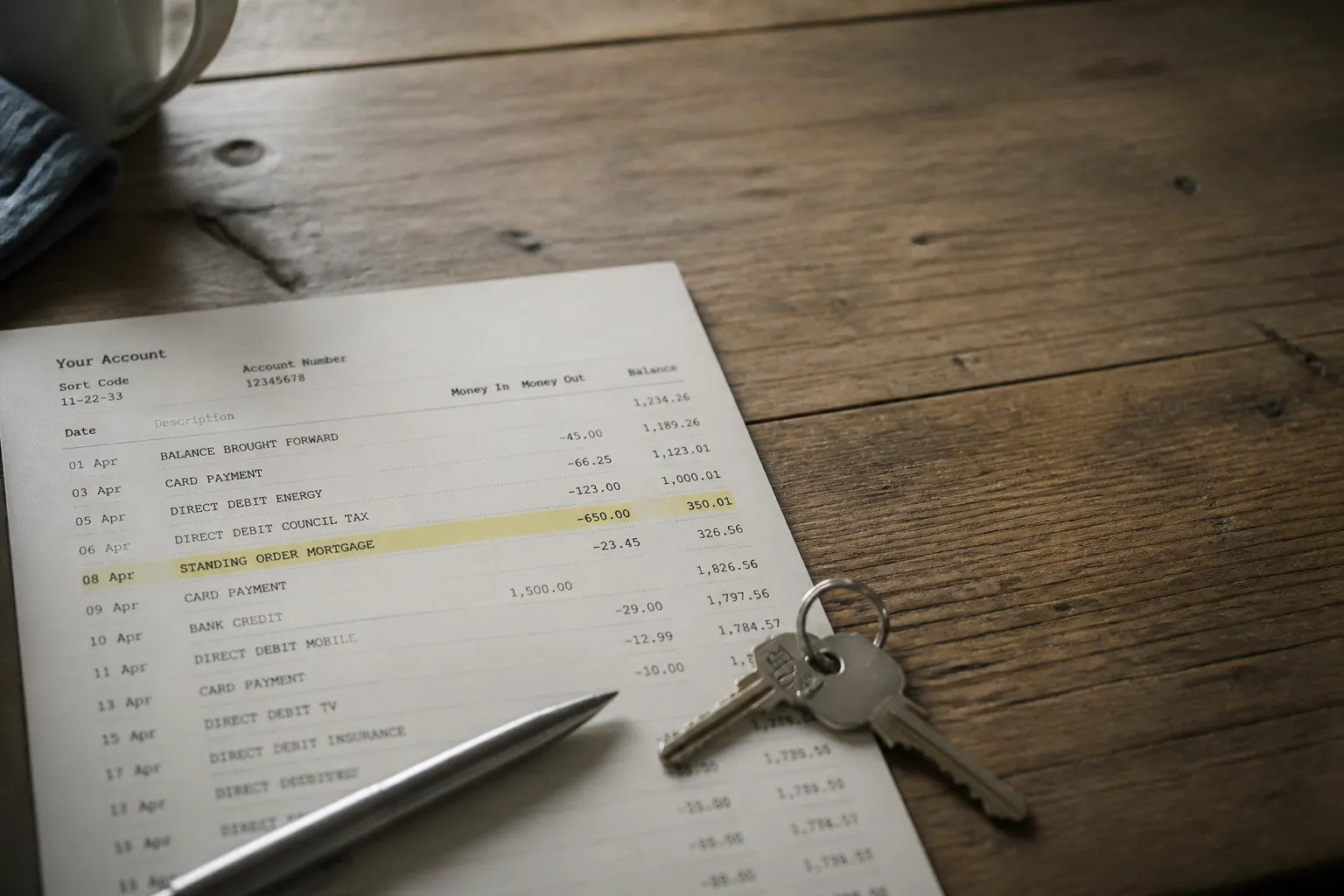
Cars show why a cushion matters. America Saves says American households spend, on average, more than $8,000 a year on car purchases and maintenance. Spread across twelve months, that is over $650 a month. A single repair bill rarely arrives on a schedule that matches it.
How savings account types differ
Savings accounts are generally described as a safe place for money you need in the short term, such as an emergency fund or a down payment. The rate is a main point of comparison, since a higher interest rate means money grows faster. The trade-offs come from what you give up to get it.
- Traditional credit union savings account. Usually earns interest at a lower rate. Typically does not require a large initial deposit.
- High-yield savings account. Pays a better rate. May limit how quickly or easily you can transfer funds.
- Money market account. Can earn interest and may allow checks or ATM and debit card access. May require a larger initial deposit and have more access limits.
- Certificate of deposit (CD). You agree to leave the money in for a specified period of time.
None of these is the winner in every case. A better rate that locks up the money you need in a crisis is a worse deal for that purpose.
How to choose and what to ask
Start with the goal, then pick the account. Short-term needs like an emergency fund generally suit a savings account. The account type should reflect how soon you may need the money. If you might withdraw quickly, be careful with higher-rate accounts that restrict transfers.
Then compare rates and fees. Both shape what you actually keep. Before opening anything, ask these questions:
- What interest rate does it pay, and what fees apply?
- How easily and quickly can I move money out?
- Is a large initial deposit required?
- For a CD, how long must the money stay in?
- Can the account accept an automatic transfer from my checking account?
The last question is the one that matters for this topic. An account that cannot take a scheduled transfer defeats the plan before it starts.
Open questions to check before you rely on a plan
The sources reviewed leave real gaps. They do not give a recommended emergency fund size or a target number of months of expenses. For that, read the section on how much to save in the CFPB guide itself. They also do not say how to choose where to keep emergency savings beyond the general account types above.
Setup steps differ by institution and by employer payroll system, and they are not covered here. Check your own bank, credit union, or payroll office for how to link accounts and schedule transfers. Nothing in the material explains how to automate when income varies or a paycheck is irregular, which matters for many people.
Deposit insurance, tax treatment of interest, and early-withdrawal penalties on CDs were also not covered. The FDIC, your institution, and the written account terms are the places to confirm them. This article is educational only. For your own situation, check official sources or talk with a qualified professional.
Please seek a professional. This article is general information, not financial, tax or insurance advice. Please seek a licensed financial, tax or insurance professional about your own situation.


