











Your credit report may show an old address, a nickname you used on an account, and your date of birth. Does that mean each detail helps determine your credit score? No. A report holds information used to identify you as well as records about credit accounts. A scoring formula does not necessarily use every item on the report.
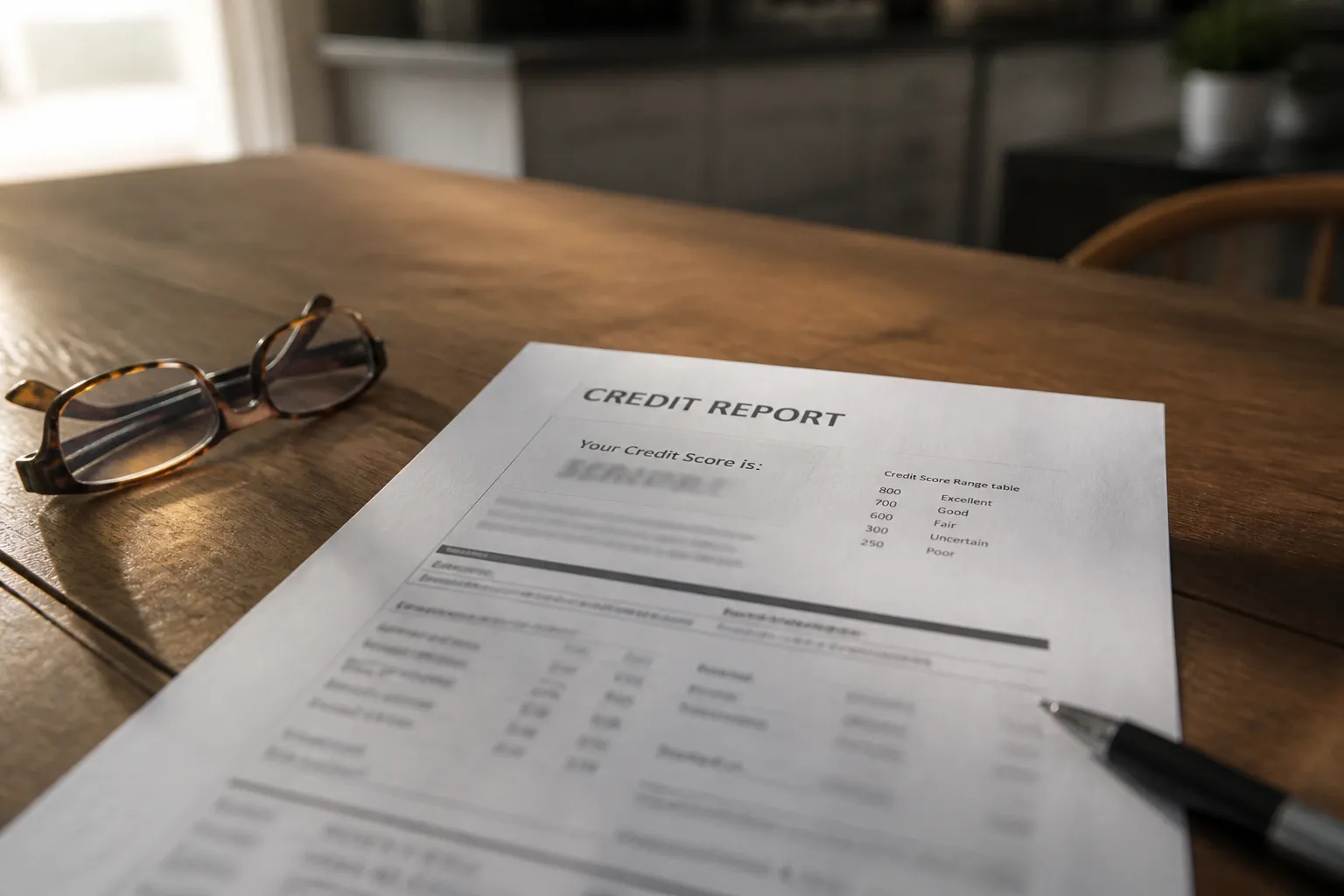
That distinction is easy to miss because the details appear together in one document. The Consumer Financial Protection Bureau, or CFPB, says a report can list your name, past names used with a credit account, current and former addresses, birth date, Social Security number, and phone numbers.
Those details help a credit reporting company identify whose file it is keeping. Account records serve a different purpose: They describe credit activity that scoring formulas may evaluate. If you are reading your report, start by asking which kind of information you are looking at.
What the personal information section is for
Credit reporting companies, sometimes called credit bureaus, collect information that creditors send them. Equifax, Experian, and TransUnion can each maintain a report about the same person, but the reports need not be identical. Creditors are not required to send information to every company, according to the CFPB.
Names and addresses can vary over time. A report might show a former address after you move or a name you used on an older credit account. Their presence can help connect records to your file, but it does not mean the address or name was graded as credit behavior. Seeing a detail on a report and seeing it used in a score are separate questions.
The distinction matters beyond scoring. Businesses may use credit reports for purposes other than making a lending decision. The CFPB says landlords, insurers, and utility or phone companies may use them, while an employer may look at a report only if you agree. What a particular business considers is not answered by a statement about one credit-scoring formula.
What does not count toward a FICO Score?
myFICO says personal identifying details on a credit report, including your name, address, date of birth, and Social Security number, do not affect FICO Scores. Your date of birth may be printed on the report, but FICO Scores do not consider your age. The same source notes that other types of scores may consider age, so it is important to name the scoring model when making that claim.
What about a raise? Income and changes in income are not factors in FICO Scores either, according to myFICO. That does not mean income appears in the personal information section of a credit report, or that a lender could never ask about it during an application. It means income is not part of that particular score calculation.
Address changes are another common source of worry. An address may remain visible as identifying information, but myFICO says the address itself does not affect a FICO Score. That is narrower than saying an address can never matter in any decision involving a report.
What tends to shape a score instead?
The CFPB says credit scores are generally based on information in credit reports. Among the factors it identifies are how many credit accounts you have, how long they have been open, how close balances are to credit limits, and how often payments are late. Those are details about accounts and payment activity, rather than the spelling of your name or the street where you live.
There is no single score attached to a person for every purpose. The CFPB explains that lenders may use different scoring formulas for different products, and the underlying information may come from different reporting companies. If one creditor sends an account record to one bureau but not another, the files can differ. Different files or formulas can produce different scores without any change to your personal identifiers.
The available sources establish what the listed identifiers do not do in FICO Scores. They do not establish that every other scoring model treats every personal detail the same way. For a claim about a particular model, check information from the organization that produces it.
How should you read your own report?
Read the personal information section for accuracy, then look separately at the account and payment records. An unfamiliar address, name variation, or phone number deserves a closer look even if that entry does not directly change a FICO Score. It may be an old detail you recognize, or it may raise a question about whether information has been connected to the right file. The score is not the only reason to care about an accurate report.
A report also gives you a way to compare what is recorded with your own records. If something looks wrong, avoid assuming that changing a personal detail will change your score. First identify the entry you are concerned about and which reporting company shows it. Procedures for correcting information can vary, and the sources here do not set out each bureau’s steps. Check the bureau’s current consumer instructions and official CFPB guidance for your situation.
For current instructions on getting a copy of your report, consult the Federal Trade Commission’s free credit reports page. When you have the report in front of you, the useful question is precise: Is this detail identifying me, describing a credit account, or both? That question will not predict a score, but it can help you read what the document actually says.
Please seek a professional. This article is general information, not financial, tax or insurance advice. Please seek a licensed financial, tax or insurance professional about your own situation.


