











You open your statement and see a charge for $14.99 from a company you have never heard of. Then you check your email and find a receipt from a store you shop at all the time. Same date, same amount. Was that the charge? Maybe. Maybe not. Before you panic or pick up the phone, it helps to work through a few calm steps.
Start by confirming the charge is really unfamiliar
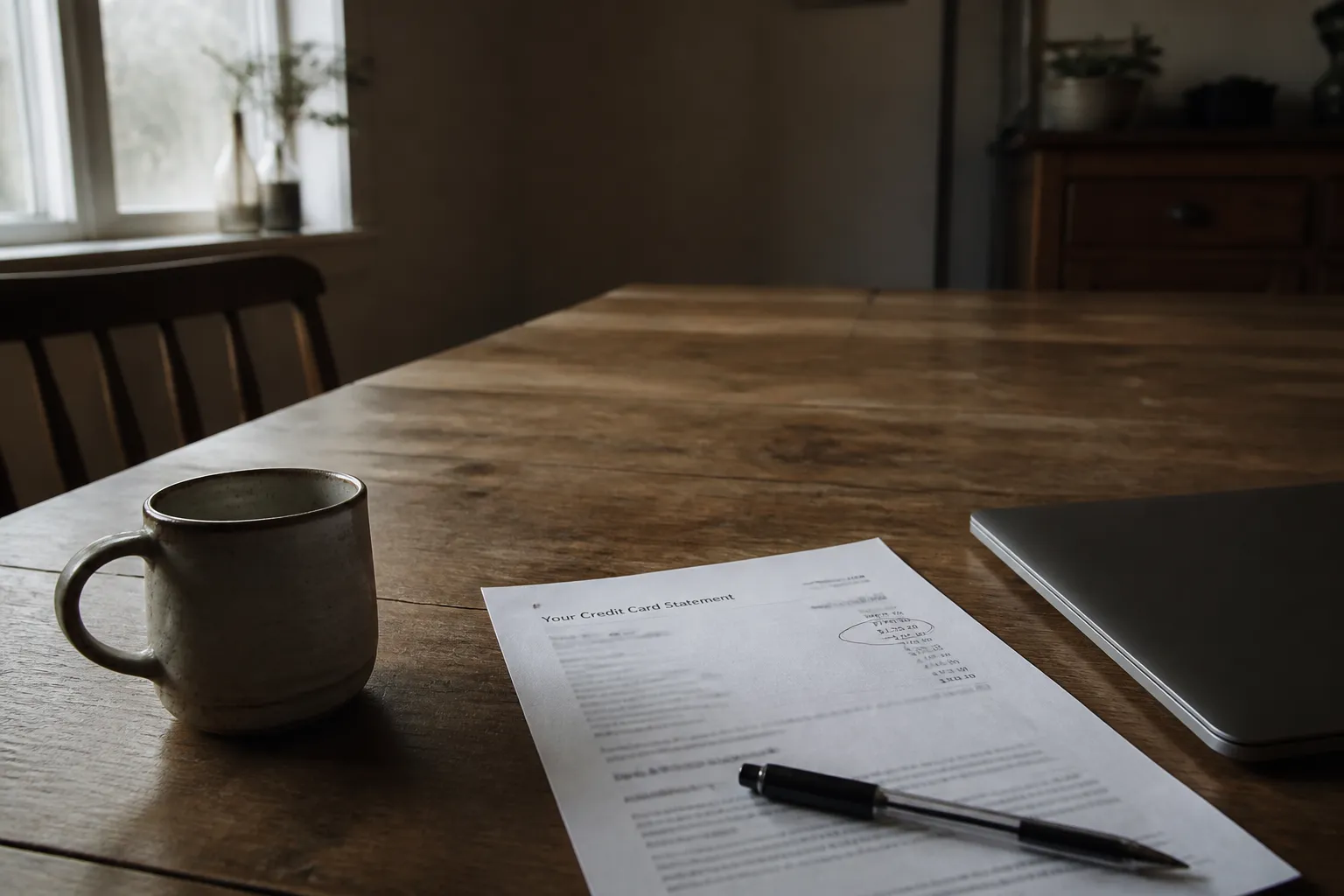
The Consumer Financial Protection Bureau (CFPB) advises reading your credit card statement every month. Compare the starting balance with the ending balance on your previous bill, then look for anything you do not recognize. A monthly habit makes a bad charge easier to catch while it is still fresh.
Now the detective work. A charge can look strange even when the merchant is one you know. The billing name on a statement is not always the name on the storefront. A parent company may appear instead. Check your receipts, order confirmations, and subscription emails before you assume anything went wrong. The sources I reviewed do not explain how to decode a mismatched billing name, so your own records are the best tool here.
Also look for optional add-ons. The CFPB specifically points to fee-based extras as something to watch for. Ask yourself whether you clicked a free trial, joined a membership, or accepted an upgrade at checkout. Many people did and forgot. If you did agree, the charge may be valid, even if you wish it were not.
Contact the seller first
If the charge still looks wrong, the usual first step is to contact the seller. Explain the problem and ask for a refund or for the charge to be undone. The CFPB describes this as the normal starting point.
Keep notes. Write down the date, the name of the person you spoke with, and what they promised. A short note like "Dec. 3, spoke with an agent, told refund in 5 to 7 days" can matter later if the refund never arrives.
This step is not a legal requirement for every billing error. Still, it clears up plenty of simple mix-ups, like a duplicate order or a canceled service that kept billing. If the seller does not fix it, you can move on to your card company. Your card agreement may describe how the company handles billing errors, so read that section before you act.
Use the billing-error process with your card company
You can begin by calling the customer service number on your bill or on the back of your card. Some companies let you file a dispute online, though that may require setting up online account access first.
For a formal dispute, you need a written notice. The Fair Credit Billing Act (FCBA) is the federal law that covers billing errors on credit cards and other revolving credit. The Federal Trade Commission enforces it. It covers incorrect charges, unauthorized transactions, and charges for goods you never received or that were defective. It does not cover debit card transactions.
Here is what the written notice should include:
- Your name and address
- Your account number
- A clear description of the error
- Why you believe it is wrong
Send it to the billing-dispute address on your statement. That address may differ from where you mail payments, which trips people up. Keep a copy of the letter and any proof you include.
Watch the clock. Your notice generally has to reach the company within 60 days after the statement showing the error was sent. Write down that statement date today. Once the company gets your letter, it must acknowledge it within 30 days. It must resolve the dispute within two billing cycles, and never later than 90 days.
Understand what you pay while the dispute is open
While the company investigates, you do not have to pay the disputed charge or related finance charges. You still have to pay the undisputed parts of your bill on time. Skipping the whole payment because one line is under dispute is a common mistake.
The FCBA also limits your liability for unauthorized card use to $50. That is a reason to report anything suspicious quickly rather than waiting.
You may hear the word chargeback. That is a reversal of a charge that can happen when a dispute succeeds through the card network. The sources I reviewed do not lay out chargeback timelines, so ask your card company how it works on your account.
Some gaps are worth knowing about. The sources here do not explain what happens if the company rules against you. They also do not explain how a dispute might affect your credit report or score, so no outcome should be assumed. And if you suspect fraud or identity theft instead of a merchant mistake, the steps differ. Contact your card issuer right away and look at federal guidance, such as the Office of the Comptroller of the Currency's fraud resources.
This article is general education, not advice for your situation. For your own account, check the official sources below or talk with a qualified professional.
- CFPB: How to fix mistakes in your credit card bill
- CFPB: Getting a refund on a card purchase
- Legal Information Institute: Fair Credit Billing Act
- OCC: Credit card and debit card fraud
Please seek a professional. This article is general information, not financial, tax or insurance advice. Please seek a licensed financial, tax or insurance professional about your own situation.


