











Inflation is a boring word for a simple problem. The same paycheck buys less than it used to. The Bureau of Labor Statistics (BLS) tracks this with the Consumer Price Index, and you can read it yourself instead of trusting a headline. This piece is general education, not advice for your situation.
What the Consumer Price Index tells you
The Consumer Price Index, or CPI, is a federal measure of how prices change over time for a set of goods and services. Inflation is a general rise in those prices. If the CPI rises 3 percent over a year, a basket that cost $100 now costs about $103. That is the whole idea.
The national figures live in the BLS CPI news release. Open the tables, not just the summary text. Check which month the release covers before you repeat any number. I am not quoting a rate here, because a number pasted from memory goes stale fast.
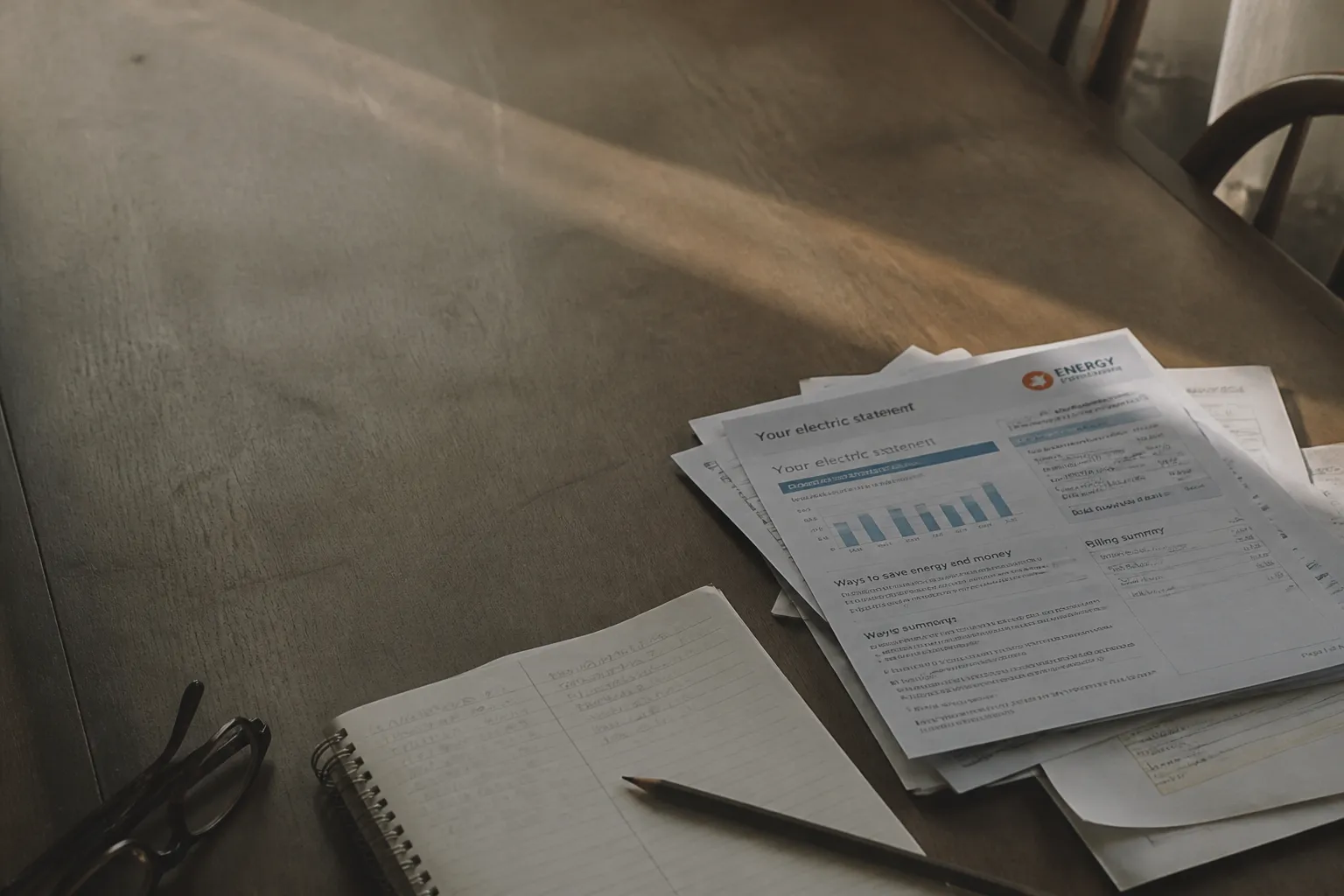
How rising prices affect a monthly budget
Your budget is a set of categories, and inflation does not hit them evenly. Rent, groceries, gas, and electricity each move at their own speed. A national average can look mild while your own bills feel nasty, or the reverse.
So build your own index. It takes about twenty minutes.
- List your recurring costs: housing, food, utilities, transportation, insurance, everything that repeats.
- Pull the amount for the latest month and the same month a year earlier.
- Subtract. Divide the difference by last year's amount to get a percentage.
- Sort by dollars added, not by percentage.
Step four matters. A 20 percent jump on a $30 subscription adds $6. A 5 percent jump on $1,500 rent adds $75. Dry but true: the boring big line usually wins.
Once you see where the dollars went, the adjustments are general ones. Trim flexible categories, compare prices, and recheck how much income is left after fixed costs. If your case is complicated, a qualified professional or a nonprofit counselor can look at the full picture. The Consumer Financial Protection Bureau (CFPB) publishes budgeting guides on its own site, worth checking directly.
Savings, debt, and fixed incomes
Savings lose ground quietly. Say a balance of $1,000 earns 2 percent while prices rise 3 percent. The statement shows $1,020. Your purchasing power, what that money can actually buy, is about 1 percent lower. The balance went up and you still lost. Rates change, so check what your own account pays.
Debt cuts the other way, partly. A fixed payment can feel lighter if prices and wages climb. But balances with variable rates can get more expensive, and new borrowing may cost more than the old kind. Read the terms before you rely on any credit.
People on fixed incomes, including some retirement payments, feel this most directly, since the income does not automatically rise with prices. If that is you, track the categories you spend the most on in the CPI tables rather than the headline figure.
Using regional and archived CPI data
National numbers hide local differences. BLS also publishes regional releases, including New York-Newark-Jersey City, the West, the Northeast, and the Midwest. Housing and service costs vary by place, so the region nearest you may tell you more.
For history, BLS keeps archived CPI news releases and archived supplemental files. Compare a current month with the same month a year back. That shows whether price pressure is building, easing, or flat. The BLS also lists a CPI Inflation Calculator among its data tools, which shows how a dollar amount changes in purchasing power between two dates. To know when new data arrive, see the 2026 release schedule.
Limits of the available information
Be skeptical, including of this article. The BLS pages I reviewed are mostly release descriptions and navigation. They do not carry the figures here, so confirm any rate or index value in the original tables before you rely on it.
They also do not explain how the CPI basket is weighted, meaning how much each spending category counts. Look for the BLS methodology documentation if you want that. Guidance from the CFPB, the Federal Trade Commission, the Federal Reserve, and the FDIC was not part of this material either. For questions about consumer rights or financial products and inflation, go to those agencies' own pages.
Please seek a professional. This article is general information, not financial, tax or insurance advice. Please seek a licensed financial, tax or insurance professional about your own situation.


