











A credit bureau says your dispute was rejected, but what does that mean? It may have declined to investigate, or it may have investigated and left the information unchanged. Those are different responses under the Fair Credit Reporting Act, or FCRA. Before sending another dispute, save the bureau’s notice and compare it with what you submitted.
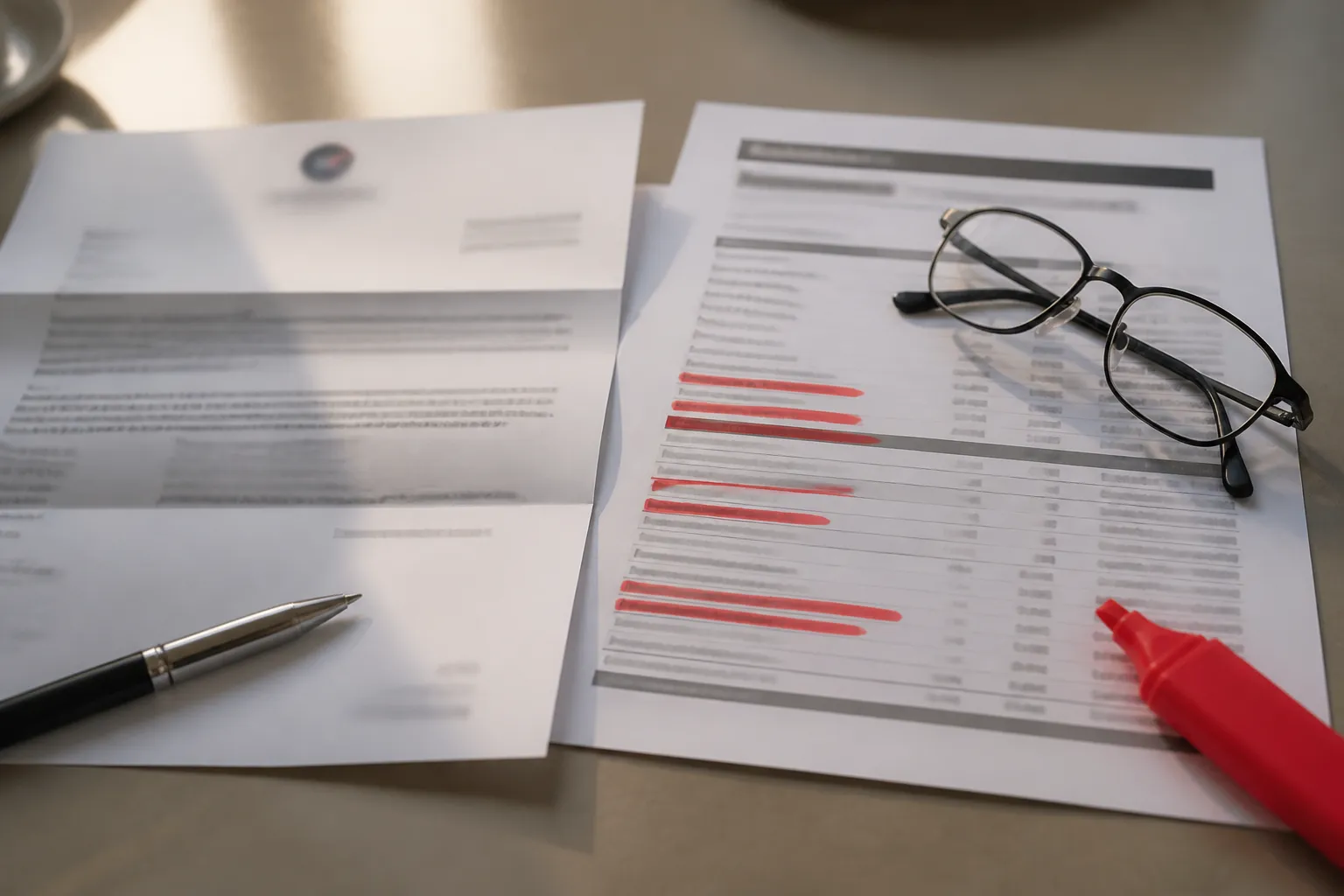
Find out what the bureau actually did
The Consumer Financial Protection Bureau explains that a credit reporting company generally must investigate an error you report unless it decides your dispute is frivolous. First, read the response for a reason. Does it say the bureau declined to investigate, or does it describe an investigation that ended without a change?
If the bureau says it investigated, compare its answer with your original dispute. Suppose you challenged a reported late payment and included a payment record. Does the response address that payment and the month you identified, or does it merely say the account was verified? Keep the response even if it seems incomplete. The CFPB says a failure to respond, or an inadequate or incomplete response, can raise a legal issue.
A response that leaves an item in place does not, by itself, tell you why the bureau reached that result. Likewise, the word “rejected” on a notice may not tell you whether an investigation occurred. Your copies of the dispute, supporting documents, and bureau response give you a way to ask a more precise question about what happened.
Check who received your dispute
A credit report brings together information from other companies. The business that supplied a disputed account or payment detail is often called the furnisher. The CFPB’s dispute guidance says correcting an error generally means contacting both the credit reporting company and the company that provided the information. A letter sent to the furnisher is not the same as a dispute sent to the bureau.
Look at the addresses on your letters or the confirmations for online submissions. Which company received your explanation? What account number and reporting error did you identify? If you mailed a dispute, a copy of the letter and any delivery receipt can help establish what you sent and when. The CFPB suggests sending copies, rather than originals, of supporting documents. Its guidance also describes including the relevant portion of the report with the disputed item marked.
This distinction matters for a later option. According to the CFPB, the right to add a statement about an unresolved dispute to your credit file applies to disputes submitted to a credit reporting company. A dispute sent only to the furnisher does not create that same right. If your records show you contacted just one party, identify which one before assuming the other has reviewed your evidence.
Decide what an unresolved dispute needs to say
If the bureau does not respond, or its response is not adequate or complete, the CFPB says you can ask for a brief statement of the unresolved dispute to be added to your file and included or summarized in future reports. The statement gives future readers notice that you disagree with the information. It does not remove the item or settle whether it is accurate.
Keep the statement factual and short. For example, identify the account or entry, say which detail you dispute, and name the record that supports your position. Avoid treating the statement as a substitute for the documents themselves. A clear paper trail matters if you need to explain later what the bureau received and what it said in return.
What if the account or charges are not yours at all? An error may be connected to identity theft. IdentityTheft.gov is the federal government’s resource for reporting identity theft and planning recovery steps. Records from that process may help document why you dispute an entry. If you also write to the business that supplied the information, the Federal Trade Commission provides a sample letter to help organize that separate dispute.
Know when the published guidance is not enough
The CFPB says credit reporting companies that break the law can face liability, and that time limits apply to lawsuits. That makes the date on a response worth preserving. The sources linked here do not establish the filing deadline for a particular claim, explain every reason a bureau might call a dispute frivolous, or resolve what to do if a furnisher refuses to correct its information. Do not guess at a deadline from a general article. Check current official rules or speak with a qualified attorney about a specific legal question.
Sample letters can help you organize facts, but they cannot determine the result. The CFPB notes that its sample letters are general consumer information, not legal advice or regulatory guidance. A useful next step is to put your dispute, evidence, submission record, and bureau response in date order. That makes it easier to see what remains unanswered, without assuming that another letter or a file statement will change your credit report or score. This article is educational and cannot predict the outcome of any individual dispute.
Please seek a professional. This article is general information, not financial, tax or insurance advice. Please seek a licensed financial, tax or insurance professional about your own situation.


