
You walk up to a cash machine on a street corner, outside a corner store, or inside a transit station. The screen asks for your card and your PIN. You need forty dollars in cash for lunch or a train ticket. The transaction takes under a minute. The pressing question is what the transaction will cost, and whether you receive notice of the price before you complete it.
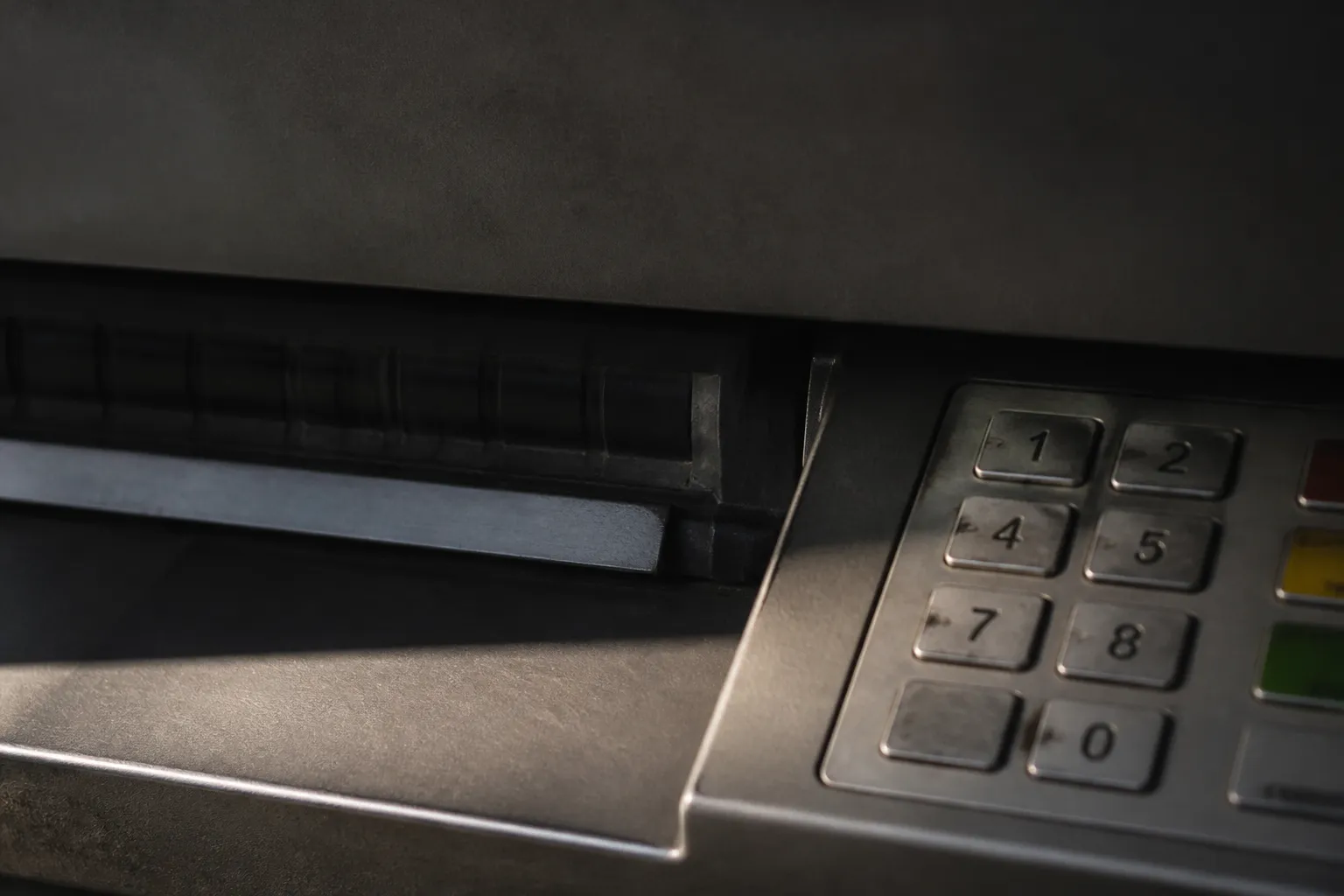
The Consumer Financial Protection Bureau lists charges for using an out-of-network ATM among so-called junk fees. According to the agency, this broad group includes overdraft fees, late fees, return fees, money transfer charges, and account inactivity fees. In an archived report, the CFPB noted that junk fees drain tens of billions of dollars per year from Americans' family budgets. That total reflects many small subtractions that add up over time across millions of bank accounts.
The agency points out that junk fees get added directly on top of the upfront price of a service. This makes it difficult or impossible to comparison shop based on actual cost. When you decide to buy an item or use a financial service, comparing your options by looking at the base price is both common and prudent. That sensible habit breaks down entirely when the full price only reveals itself after the fact.
Cash users feel this friction in immediate ways. Someone taking out small amounts of paper currency for weekly groceries, tips, or transit fares can find their balance trimmed repeatedly. When each withdrawal carries extra fees, the cost of managing basic cash needs rises quietly.
What the records show about withdrawal charges and double fees
A common assumption among consumers is that using an out-of-network machine results in two distinct penalties. Under that theory, the owner of the terminal charges a fee for providing access, while your own depository bank charges a separate fee for processing an out-of-network transaction. Many consumers believe this double charge happens automatically every time they use an unfamiliar cash machine.
Yet the official records and sources provided here do not outline how a second fee arises. The materials do not supply fee amounts, nor do they state an average dollar range for cash withdrawals. Because the research record does not document the exact mechanics or dollar amounts of a two-sided fee, we cannot assert that you will always pay twice.
Instead of assuming a set dollar penalty, consumers need to treat fee amounts as a variable to investigate directly. The CFPB materials look broadly at how junk fees distort consumer costs across banking products. They do not detail the mechanical billing pipeline between individual ATM operators and external banks. Reading your own deposit account agreement remains the most reliable way to learn whether your home bank adds its own charge.
The problem of hidden add-ons and comparison shopping
Comparing prices is the bedrock of careful budgeting. When an institution lists a clear price for a financial product, you can decide whether the convenience is worth the expense. When fees sit behind opaque terms, however, standard comparison shopping fails.
The CFPB illustrates this structural problem through the mechanics of checking overdrafts. In a published blog post on the hidden cost of junk fees, the bureau observed that an overdraft fee can turn a simple $3 cup of coffee into a $35 purchase. An automated teller machine transaction functions under different rules, so an overdraft penalty is not an estimate of ATM withdrawal costs. The coffee example simply highlights how an add-on charge can dwarf the value of the original transaction.
When surprise costs attach to routine tasks, ordinary consumers bear an unequal burden. A person withdrawing small bills cannot easily evaluate whether one machine is more economical than another if the real price is concealed until the bank statement arrives at the end of the month.
Regulatory disclosures under Regulation E
Federal oversight of automated teller machines falls under Regulation E, codified at 12 CFR Part 1005. Within that regulatory structure, section 1005.16 carries the specific title "Disclosures at automated teller machines." The existence of this title confirms that federal law provides a dedicated framework governing what automated teller machines must present to users.
However, the excerpt provided from the regulatory code includes only the section heading and does not reproduce the underlying statutory text. Because the substantive text is missing from the record, we cannot specify what exact warnings, screen prompts, or fee notices an operator or a bank must display before you confirm a withdrawal.
In addition, a related Federal Register document examining the historical background and final language of the regulation was blocked behind an access check during research. Because that regulatory text remains unavailable in the primary materials, consumers seeking the verbatim legal obligations must consult the full text of § 1005.16 directly on the CFPB website. Understanding the formal regulation helps clarify where agency rules stop and private bank contracts begin.
Spotting red flags and reviewing account records
The CFPB identifies several warning signs that characterize junk fees across the financial system. One major red flag is any fee whose purpose is mysterious or unclear, leaving the consumer uncertain about what service was actually provided. When an institution cannot clearly define why a debit occurred, consumers have good reason to pause and question the line item.
Other clear warning signs include fees charged simply for speaking to a real person or fees assessed for paying a bill over the telephone. These administrative surcharges reflect the broader habit of penalizing customers for standard account upkeep. While telephone bill-payment fees differ from ATM fees, they stem from the same pattern of charging extra for basic account access.
To protect yourself from unexpected withdrawal costs, you can adopt a few methodical habits:
- Examine the terminal screen: Take a moment before keying in your confirmation to read all prompts and notices. If a terminal alerts you to an unavoidable surcharge, you retain the right to cancel the transaction immediately.
- Consult your deposit agreement: Review your bank fee schedule to verify whether your home institution imposes an out-of-network charge on top of any operator fee.
- Audit your monthly statements: Check your checking or savings statements line by line to ensure every fee corresponds to an authorized withdrawal.
The provided government records do not specify a formal procedure for disputing unexpected ATM fees or avoiding them entirely. If you identify an unfamiliar fee on your statement, contact your banking institution directly to request a clear, itemized explanation. Reviewing the consumer guidance published on official regulatory websites will provide the most current avenues for resolving contested charges.
Please seek a professional. This article is general information, not financial, tax or insurance advice. Please seek a licensed financial, tax or insurance professional about your own situation.