











Every spring, millions of households hand over their most sensitive financial documents to third-party preparers. They share W-2 slips, Social Security numbers, bank account routing details, and records of dependents. Most assume that paying a professional fee buys both expertise and accountability. Yet seasonal filers face a specific, predatory scam: the ghost tax preparer. These operators charge a fee to assemble a tax return, but when it comes time to file, they leave the document unsigned, pocket the cash, and vanish.
What a ghost tax preparer is
A ghost tax preparer is someone who gets paid to complete your tax return but refuses to sign it or attach their credentials. Legitimate professionals sign the returns they assemble. In contrast, a ghost preparer prints out the forms and directs the taxpayer to sign and mail them, or transmits an electronic return marked as if the taxpayer filed it on their own. Because the paid preparer never enters their name, the official record shows no trace that a paid third party was ever involved.
The consequences can be immediate and severe. As the April 15 filing deadline drew near, the Taxpayer Advocate Service, an independent watchdog organization within the federal tax system, issued a formal alert about this practice. The agency warned that ghost preparers can take both a taxpayer's money and personal information. The Internal Revenue Service has issued similar warnings, underscoring that this is a nationwide enforcement issue rather than an isolated street-corner scam.
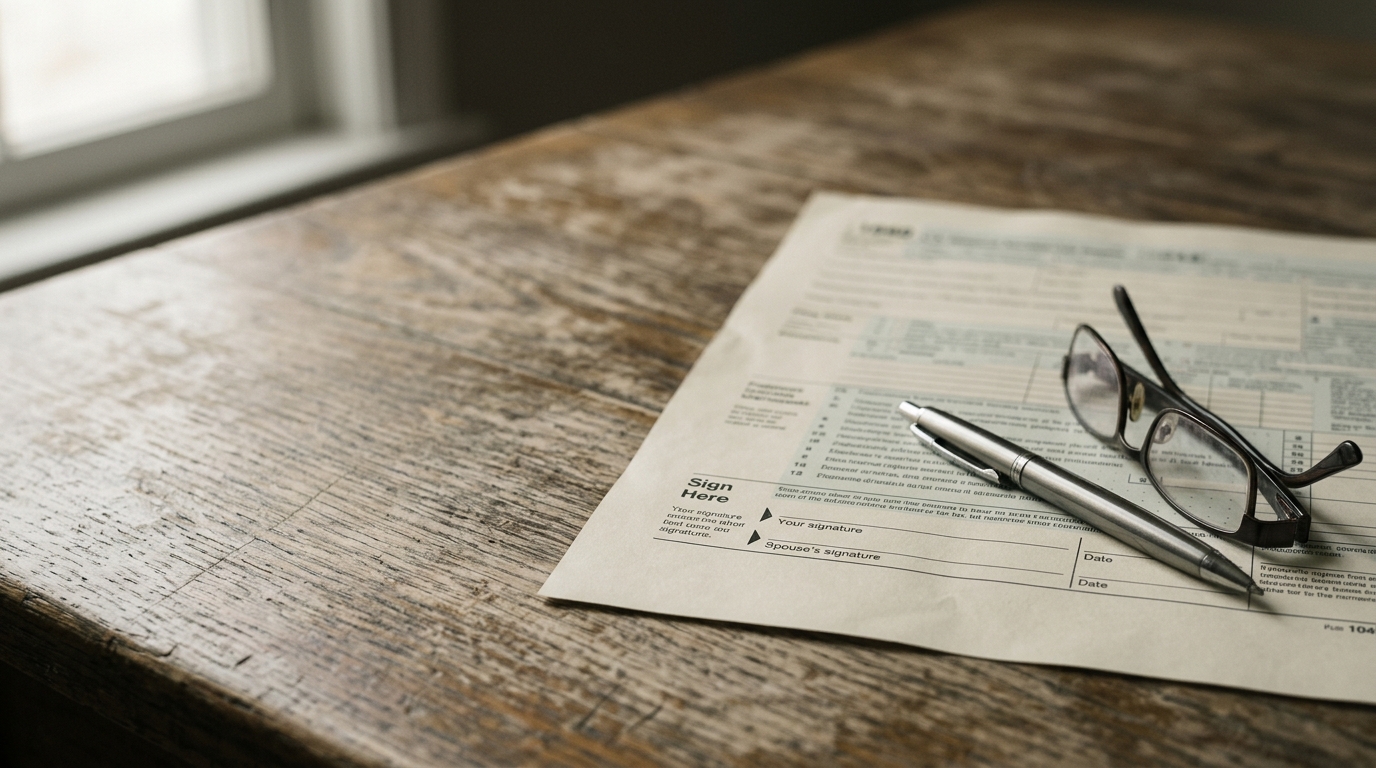
Why the missing signature and PTIN shift the risk to the filer
Under federal law, any individual who prepares or assists in preparing federal tax returns for compensation must possess a valid Preparer Tax Identification Number, commonly called a PTIN. That law also requires them to include their PTIN and signature directly on the return before it is submitted. The PTIN establishes a clear line of regulatory accountability. It tells federal authorities exactly which professional calculated the numbers, claimed the credits, and verified the income brackets.
Ghost preparers intentionally bypass this rule for two main reasons. First, they may not possess a PTIN at all, having failed to meet professional qualifications or register with the federal government. Second, they may deliberately omit their information to escape legal responsibility for inaccurate deductions, inflated expenses, or outright fraudulent claims. When an unsigned return arrives at the agency, the law views it as a self-prepared document. If audits or balance discrepancies arise later, the preparer cannot be identified, leaving the taxpayer solely responsible for back taxes, penalties, and accounting errors.
How to spot a ghost preparer before filing
Protecting your household requires verifying paperwork before authorizing any submission. The simplest defense supported by regulatory warnings is a direct inspection of the signature block. Check that the preparer signs the completed paperwork and enters their valid PTIN in the designated field. If an individual asks for compensation but tells you to file the paperwork as a self-prepared document, stop immediately.
Watch for specific warning signs during the transaction:
- A paid preparer who refuses to sign the tax return or declines to provide their PTIN.
- An individual who becomes difficult to contact or completely unreachable right after completing the draft.
- High-pressure tactics urging you to file immediately without allowing you time to review the finished numbers.
- Requests for payment through methods that leave no clear, traceable financial receipt.
Remember that conducting these baseline checks serves as an educational filter, not an absolute guarantee against bad actors. Sound consumer judgment requires reviewing every entry on your forms before putting your own signature on the line.
Gaps the sources flag for seasonal filers
While consumer alerts highlight the primary mechanics of the ghost preparer scheme, published warnings also leave critical questions unanswered. For instance, public alerts note that a PTIN is mandatory, but they often omit instructions on how ordinary taxpayers can independently verify whether a specific number is active or authentic. They also warn that personal data is put at risk, without detailing the technical pathways through which rogue preparers trade or exploit stolen identities once the season ends.
Furthermore, standard watchdog alerts rarely lay out the exact steps required to amend a return that was submitted with falsified figures by an unlisted preparer, nor do they compile precise data on total annual dollar losses or enforcement actions. If you suspect an unauthorized person mishandled your personal records, do not rely on informal advice. Visit official websites such as the Internal Revenue Service or the Taxpayer Advocate Service, or consult a licensed, credentialed tax professional to understand your reporting obligations and rights under current regulations.