
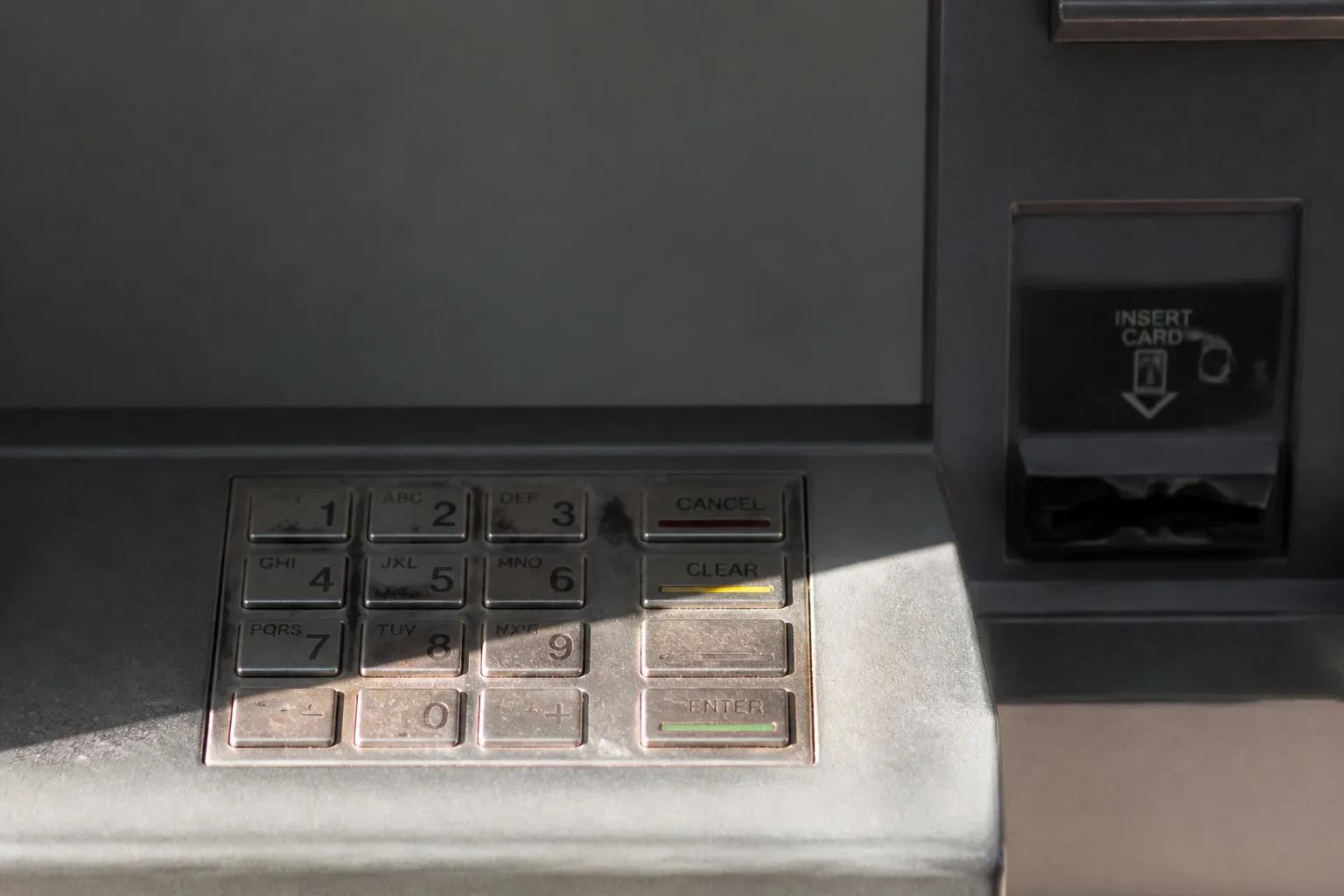
If you have ever stood at an ATM and watched a fee message pop up, you have seen a federal disclosure at work. The rule behind it is simple in theory. The machine has to tell you about a fee before you are locked into the withdrawal. The details are more particular than that, and the sources behind this piece do not cover every question you might have. Here is what they do confirm, and what you can check yourself.
What the federal rule requires
The Electronic Fund Transfer Act is the federal law that covers electronic money movement, including ATM withdrawals. Under the statute, an ATM operator that charges a fee for host transfer services has to tell you that a fee is imposed and how much it is. "Host transfer services" is the term for the connection that sends your request to the bank that holds your account. Most people never see that phrase on a screen. They see a dollar amount.
The timing matters. The notice has to come after you start a transaction and before you are irrevocably committed to finishing it. That means the fee information should appear while you can still back out. If the machine only mentioned the fee after the cash was in your hand, the disclosure would have missed its purpose.
The rule also says that no fee may be charged on a covered transfer unless you receive the notice and then choose to continue. Cancelling is the choice the rule is built to protect. You can walk away without paying.
How the rule changed over time
In December 2012, Congress amended the Electronic Fund Transfer Act and removed the requirement that an ATM fee notice be posted on or at the machine. A sign on the outside of the machine is no longer the required disclosure. So a sticker that says fees may apply does not, on its own, satisfy the federal notice.
What stayed was the on-screen or printed notice. The statute treats that screen message, or a paper notice the machine issues, as the operative disclosure. The Consumer Financial Protection Bureau published its final rule at 78 FR 18221 under Docket CFPB-2013-0006 and RIN 3170-AA36, with an effective date of March 26, 2013. If you need to cite it, go to the Federal Register citation itself. The CFPB summary page lists several dates that do not match, including a last-update date, a date issued, and a date published. Those are easy to mix up, so the citation is the safer reference.
Where the rule applies, and where the sources stop
The disclosure framework covers an ATM operator that is not the financial institution holding your account. A third-party machine that charges you to use it is the clearest case. A balance inquiry also counts as an electronic fund transfer under this definition, even when no cash moves. So the notice framework can reach a transaction that never dispenses a dollar.
The sources have limits, and it is worth being plain about them. The full text of the disclosure section, 12 CFR 1005.16, is not reproduced in the material reviewed here. The official table of contents confirms that the section exists and is titled "Disclosures at automated teller machines," but it does not show the exact wording, format, or placement rules. The sources also do not say whether a cap on surcharge amounts exists, how the rules treat fees from your own bank, how foreign-currency withdrawals are handled, or how state laws may add to the federal baseline. If any of those matter to you, read the regulation text directly or ask a qualified professional about your situation.
What to check at the machine
Before you confirm, look at the screen. Does it say a fee will be charged, and does it show the amount? Ask yourself whether that message appeared before you pressed the button that committed you. If the screen showed no fee and no paper notice came out, that is worth writing down.
Next, think about who runs the machine. The notice rules apply to operators that are not the account-holding institution. A machine at your own bank and one run by a separate company can work differently, so the source of the fee matters when you review it later.
If a fee shows up on your statement without a notice, the sources reviewed here do not describe a complaint or dispute process. Keep any receipt, and note the date, time, location, and amount. Then contact your account provider or the Consumer Financial Protection Bureau for next steps. This is general consumer education, not legal or financial advice about your own case.
Please seek a professional. This article is general information, not financial, tax or insurance advice. Please seek a licensed financial, tax or insurance professional about your own situation.