











A check carries two numbers that matter for electronic payments. One points to your bank or credit union. The other points to your account. Mixing them up, or copying one wrong, is a quick way to send a paycheck or a bill payment to the wrong place. This piece covers what each number does, how the ACH network uses them, and how to confirm them before you hand them over.
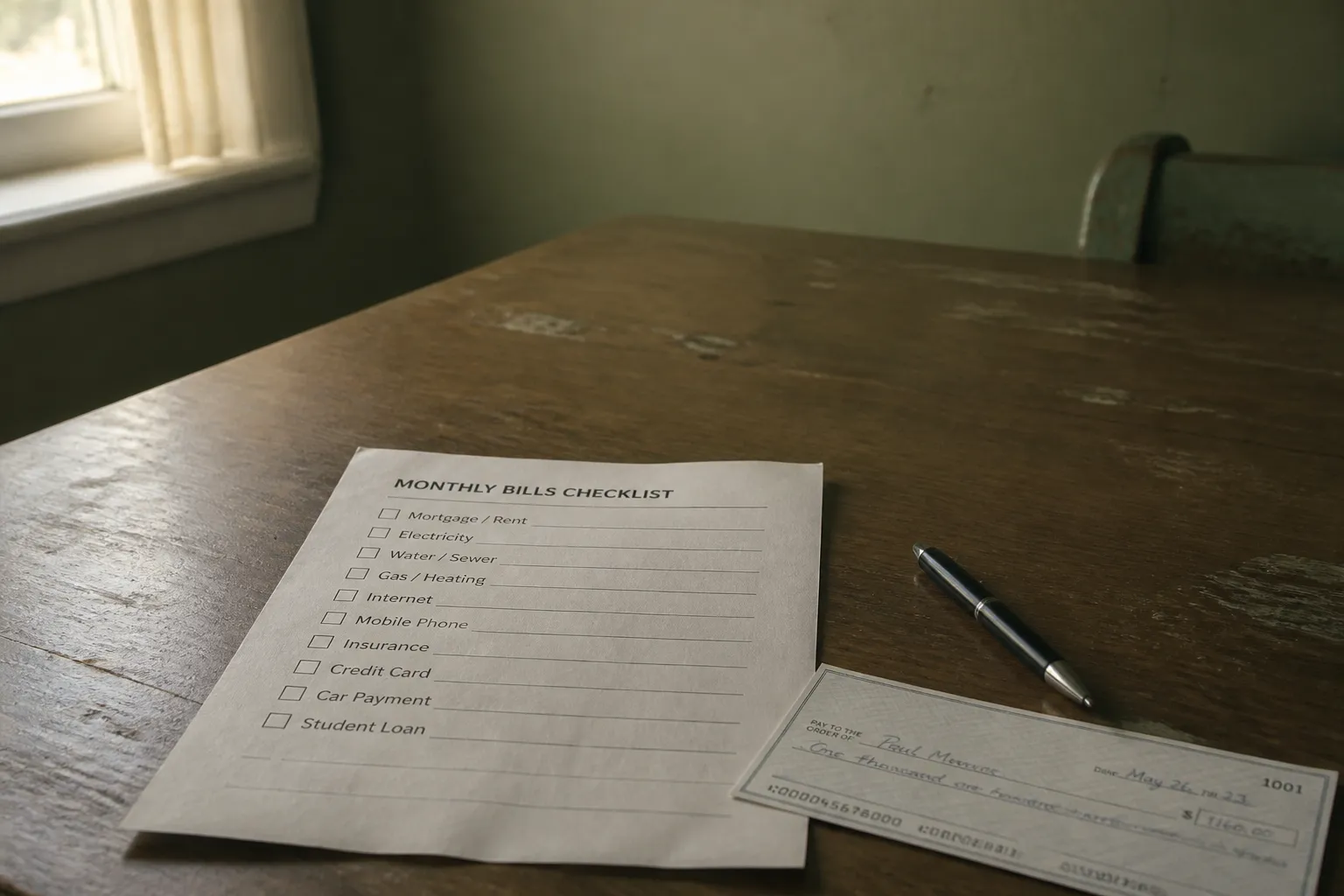
What a Routing Number and an Account Number Each Identify
Electronic payments do not travel as loose cash. They need directions. The network behind direct deposit and many scheduled bill payments is the Automated Clearing House, or ACH. According to the Consumer Financial Protection Bureau (CFPB), an ACH transaction is an electronic transfer between banks and credit unions. Some online bill payment services use it behind the scenes.
Two pieces of information make that work. The routing number identifies the bank or credit union. The account number identifies your account at that institution. Businesses that collect ACH payments typically ask for both. One wrong digit in either can send the payment astray or cause it to fail.
One limit to flag. The sources used for this piece do not lay out where each number sits on a check, do not describe the MICR line, and do not state how many digits a routing number has. Your bank can show you on a sample check, and its website or app usually lists both numbers for your account.
How ACH Transfers Move and How Long They Take
ACH does not always mean instant. The CFPB says ACH payments can clear the same day they are entered, but only on business days and during business hours. They can also take days to complete. Processing, along with fraud and money-laundering checks, can slow things down.
So a payment entered on a Friday evening should not be expected to land that night. Build in a few business days for anything with a due date attached.
Your account terms matter too. The CFPB notes that banks and credit unions may limit how much you can transfer and may charge a fee for each ACH transaction. If the account lacks enough money, the transaction can be returned for nonpayment. That is a good reason to check your balance before a scheduled debit.
Checking Numbers Before You Share Them
Start by confirming the routing number belongs to your institution. The American Bankers Association runs a routing number lookup. The Federal Reserve Financial Services publishes an E-Payments Routing Directory and a key to check routing numbers. The pages we reviewed were mostly menus, so expect to search within them rather than find a plain explanation.
For payroll, begin with your employer. Nacha advises first asking whether your employer offers direct deposit at all. Then confirm with the employer or payee that the routing and account numbers you give them are correct before direct deposit or recurring debits begin. Sending a number you have not checked against your bank's own records is the easy mistake to avoid.
Safe sharing is a gap in our sources. They do not explain how to pass along check or account numbers securely, or how to tell a real check from a fake one. For that, look to guidance from your bank, the FTC or the CFPB directly.
Red Flags and Unauthorized Transactions
Routing and account numbers can be used to pull money through ACH, so treat requests for them with care. Nacha's direct deposit page and the CFPB describe scams that can steal money through ACH and direct deposit. The practical step is simple. Before you give your details to anyone, confirm who is asking. Look up the company or your employer's payroll contact yourself instead of replying to the message that asked.
If a transaction looks unfamiliar, or an expected deposit never shows, tell your bank or credit union. The CFPB explains how to seek recovery for unauthorized or missing transactions. The sources here do not give a reporting deadline, so ask your institution what its window is and act quickly.
Questions to Ask Your Bank or Credit Union
A short call can head off most surprises. Ask these:
- Do you limit ACH transfer amounts, and do you charge a fee per ACH transaction?
- Is there enough money in the account to avoid a returned ACH payment?
- Does my employer offer direct deposit?
The last question goes to your employer, not the bank. Together they cover most of the practical risks in setting up a new payment.
It also helps to know who oversees your institution. The National Credit Union Administration describes itself as an independent federal agency that insures deposits at federally insured credit unions and charters and regulates federal credit unions. If you bank at a credit union, check that it is federally insured.
Please seek a professional. This article is general information, not financial, tax or insurance advice. Please seek a licensed financial, tax or insurance professional about your own situation.


