











Impostor scams work because they borrow trust. A caller says they are with the government, your bank, or a charity you like, then asks you to act fast. Once you know the usual stories and warning signs, you can slow things down before any money leaves your account.
What an impostor scam looks like
An impostor scam is a con where a criminal pretends to be someone you would normally trust. That might be a police officer, a federal employee, a bank, the Federal Deposit Insurance Corporation (FDIC), or a well-known charity. The goal is to get you to act before you check the story.
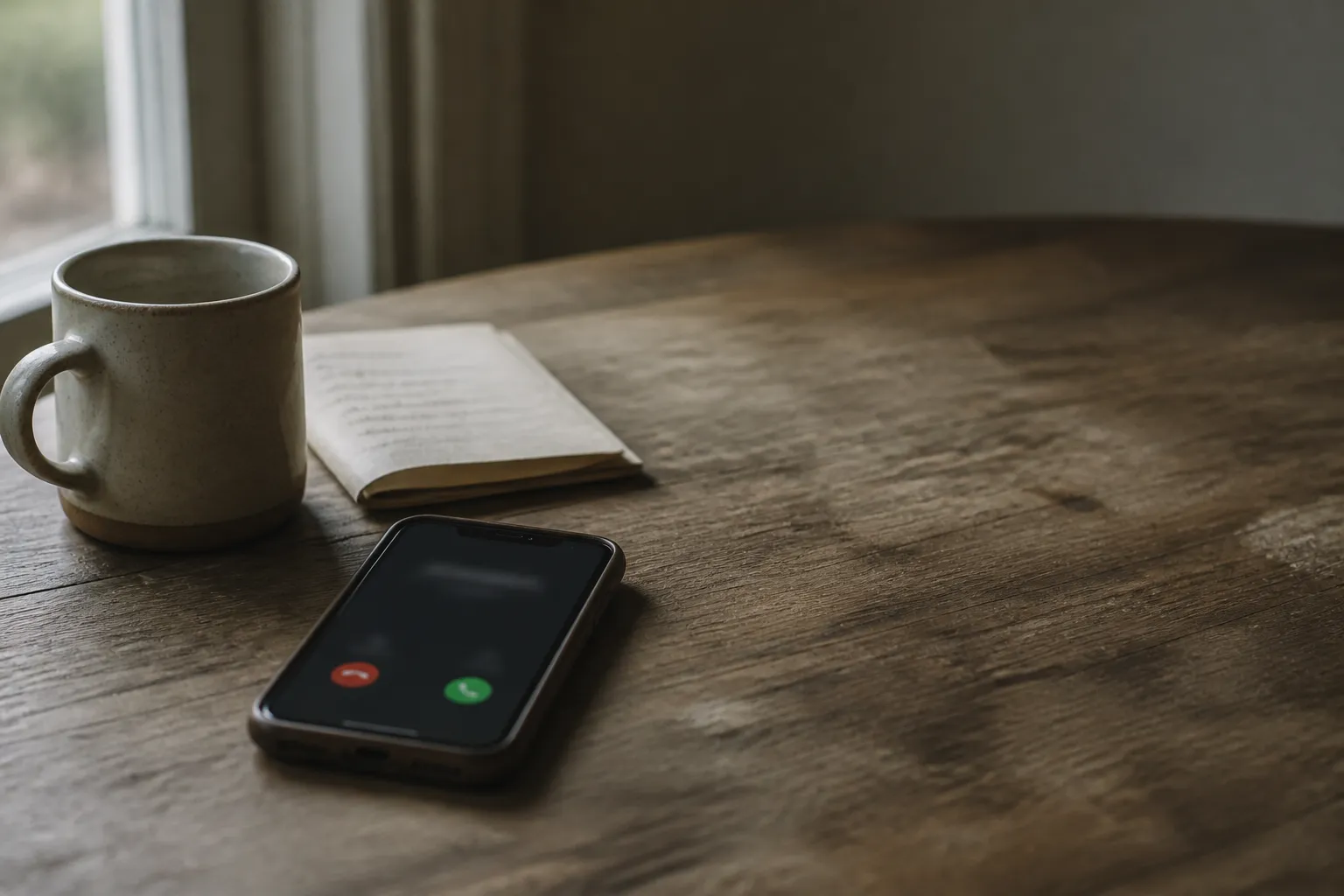
Most of these contacts start with a phone call, though texts and emails are common too. Scammers often fake caller ID, borrow real employee names, and copy official logos. A familiar number or a polished letterhead does not prove a message is real. The Federal Trade Commission (FTC) suggests treating unexpected contact as a reason to pause, not a reason to pay.
- Accusation of a crime. The caller says you are linked to a crime and threatens arrest unless you pay to make the problem go away.
- Missed jury duty or court date. The caller claims a warrant exists and offers to settle it with a payment.
- Expiring document. A passport, driver's license, or professional license supposedly lapses unless you pay a renewal fee right now.
- Bank or FDIC impersonation. The caller says your account is at risk and asks you to move money or confirm account details.
- Charity prize. You are told you won a sweepstakes because you donated to a charity, and a fee is needed to release the prize.
Why the pressure works
Fear is the scammer's main tool. When a stranger says a warrant is out for your arrest, the natural reaction is to fix the problem right away. That moment is exactly what the scam is built for. Legal matters are not usually settled over the phone with a payment, and real agencies rarely insist that you keep a call secret.
Scammers also count on isolation. They may tell you not to talk with family, friends, your bank, or police. They may stay on the line for a long time so you cannot hang up and check the story. Each of those moves keeps you from asking a second person what they think, and a second opinion is often the thing that breaks the spell.
Payment methods that should stop you
How a request gets paid can matter as much as the story itself. Scammers often ask for prepaid cards, a courier pickup, a bank wire, cryptocurrency, or cash fed into a cryptocurrency kiosk. Once money moves through one of these channels, it can be very hard to recover. Government agencies do not typically collect fines or fees this way, so a request for any of them is a strong reason to stop and verify.
- Hang up, even if the caller sounds official and knows details about you.
- Look up the agency's phone number yourself on its official website, then call that number.
- Never share passwords, one-time codes, or account numbers with someone who called you.
- Talk with someone you trust before you send any money or gift any personal information.
- Write down the caller's name, number, and the story they told so you can report it.
Where to check and report
If you want to confirm a claim, start with the agency named in the message, but use contact details you found on your own. The FTC's consumer guide on how to avoid imposter scams explains common tactics in plain language. The FDIC also publishes warnings about bank impersonation scams, including fake calls that claim to come from the agency itself.
To report a suspected scam, the FTC accepts complaints at ReportFraud.ftc.gov, and the FBI's Internet Crime Complaint Center takes reports at ic3.gov. Reporting helps investigators spot patterns, even when you did not lose money.
A quick note on limits
This article is general education, not legal, tax, or financial advice. If you receive a notice about jury duty, a court date, or a license, the safest path is to contact the court, agency, or licensing board through a phone number you look up yourself. For questions about your specific situation, a qualified attorney or financial professional can help.
Please seek a professional. This article is general information, not financial, tax or insurance advice. Please seek a licensed financial, tax or insurance professional about your own situation.


