











A credit report can show a balance you already paid, an account that is not yours, or a payment status you believe is wrong. How do you challenge the entry? Start with the exact information on the report, then explain the error and keep a record of what you send. A dispute asks for an investigation. It does not guarantee that an item will be removed or that a credit score will change.
What exactly is wrong with this entry, and what record helps show it?
Know what a dispute can do
The Fair Credit Reporting Act, or FCRA, gives you the right to dispute information on a credit report that is inaccurate or incomplete. The credit reporting company must generally investigate after you notify it of an error, unless it determines that the dispute is frivolous. The investigation, rather than the act of sending a letter, determines what happens to the entry. The Consumer Financial Protection Bureau explains these rights and what you can do if you disagree with the result.
There are three nationwide credit reporting companies: Experian, Equifax, and TransUnion. An error on one report may not appear on the others. Check each report you have, and identify which company shows the disputed item. If more than one shows it, each may need a separate dispute. For current instructions on getting a copy of a report, check the companies’ official consumer pages.
Step 1: Pin down the error and gather records
Read the entire entry before writing. Note the account number as it appears on the report, the reported balance, payment status, and relevant dates. A request that says only “this account is wrong” leaves an important question unanswered: which part is wrong? For example, a statement showing a zero balance may help explain a dispute about a balance that still appears unpaid.
Gather documents that support your explanation, such as account statements, payment confirmations, or letters about the account. Send copies, not originals. Keep the originals and a copy of the report page showing the entry. If an account appears to be connected to fraud rather than a reporting mistake, IdentityTheft.gov is the federal government’s resource for reporting and recovering from identity theft.
Step 2: Write to the credit reporting company
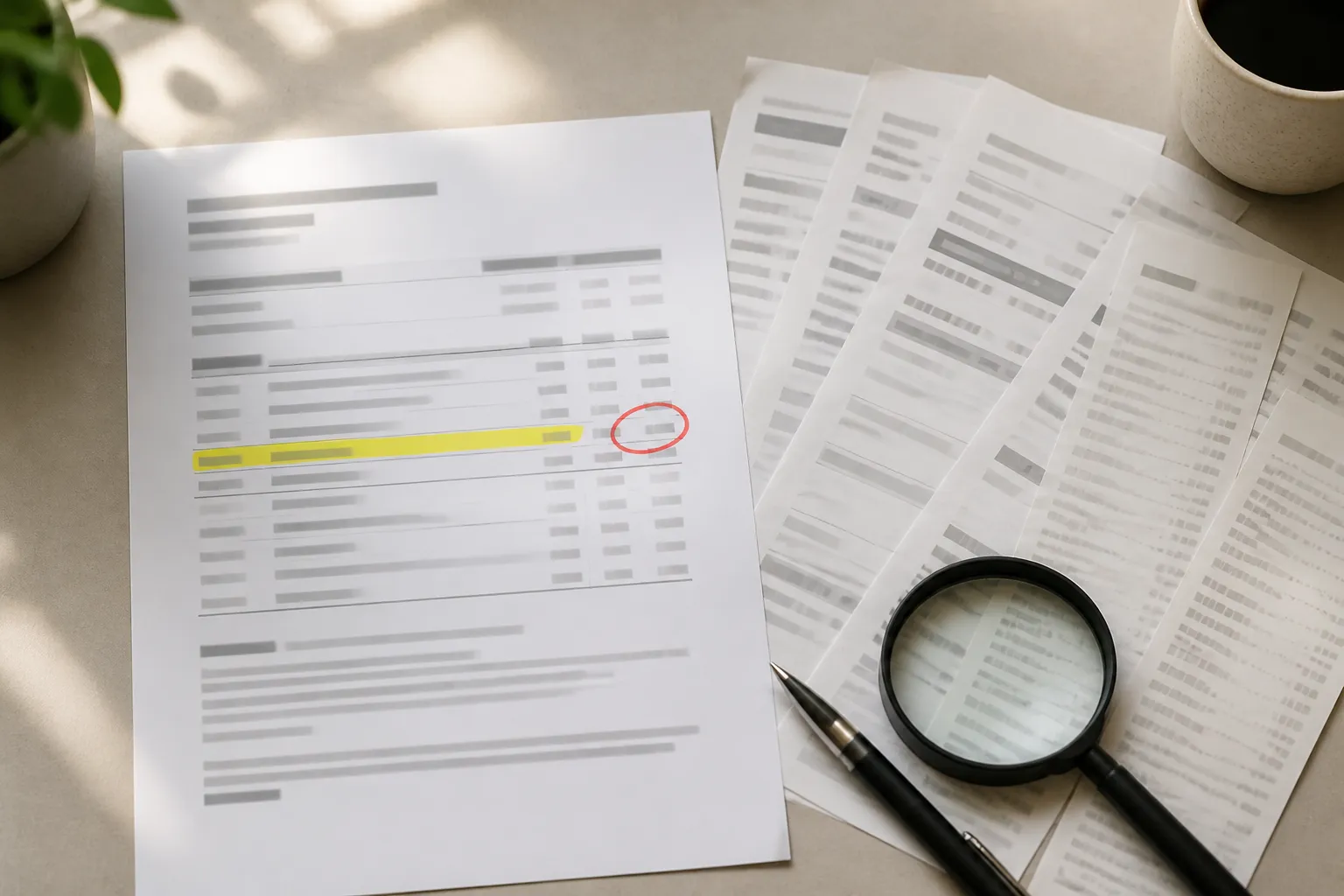
In a mailed dispute letter, give your complete name, address, and telephone number, plus the report confirmation number if you have one. Identify every item you dispute and include the account number for each disputed account. State what the report says, why you believe it is wrong or incomplete, and whether you want it corrected or removed. Attach a copy of the relevant report section with the disputed entries circled or highlighted, along with copies of your supporting documents. The CFPB’s dispute guidance sets out these letter details.
Need a starting structure? The Federal Trade Commission publishes a sample dispute letter. Adapt any example to the facts on your own report. You can send a mailed letter by certified mail with a return receipt, which creates a record that it was received. Keep a copy of the letter, every enclosure, and the mailing record together.
Step 3: Contact the company that supplied the information
The business that gave the information to the credit reporting company is called the furnisher. It might, for example, be the company that maintains the account shown on your report. Disputing with the credit reporting company and disputing directly with the furnisher are different steps. The CFPB says fixing an error generally means contacting both. Tell the furnisher which information you challenge and why, and retain copies of that correspondence too.
Why do both? The credit reporting company controls what appears on its report, while the furnisher is the source of the account information. If you contact only one, you may leave the other without your explanation and records. If a furnisher does not correct an error after a direct dispute, check current official regulator guidance for next steps rather than assuming the matter is finished.
Step 4: Review the response and decide what comes next
When you receive an investigation result, compare it with the entry you originally challenged. Was the balance changed but the payment status left as it was? Did the response address the specific date or account number you identified? Keep the result with your dispute records. If the answer does not resolve the problem, the CFPB says you may ask to add a brief statement of the dispute to your file and future reports. That right applies to disputes submitted to the credit reporting company, not to disputes sent only to the furnisher.
If you believe a credit reporting company has broken the FCRA, legal options may be available. The law can allow damages and attorney fees in qualifying cases, and lawsuit deadlines apply. For a question about your rights or a filing deadline, consult an official regulator resource or a qualified legal professional. This article is educational, not personal legal, financial, or tax advice.
Watch for claims that sound too easy
A dispute is meant to address information that is inaccurate or incomplete. Be cautious of anyone promising to remove accurate negative information. The FTC warns about dishonest credit repair operators that make promises and charge fees without doing the work they claim to do. You can assemble your own records and submit a dispute without relying on such a promise.
Finally, treat the reporting result and any credit score change as separate questions. A disputed entry may remain, change, or be removed depending on the investigation. These steps do not predict how any particular outcome will affect a score. The useful record to build now is a precise explanation of the error, the evidence you sent, and the response you received.
Please seek a professional. This article is general information, not financial, tax or insurance advice. Please seek a licensed financial, tax or insurance professional about your own situation.


