











A credit report can show an account as paid as agreed and still list a late payment. Those details may conflict, or the late mark may reflect a different month or account record than the one you are checking. Before disputing it, compare the full entry with your payment records. If the dates or status do not match, you can dispute the information with the credit reporting company and the company that supplied it.
Confirm the error before you dispute it
Review the complete account entry on each credit report you have. Look at the payment status, balance, date of last payment, account-opening date, and date of first delinquency. The Consumer Financial Protection Bureau (CFPB) lists incorrect late or delinquent status and incorrect dates as common report errors. Its guide to common credit report errors can help you check the entry field by field.
Gather records that help explain the mismatch. These might include a bank statement showing a payment cleared, a payment confirmation, or an account statement showing no past-due balance. Compare reports from different credit reporting companies, too. If one shows the account paid as agreed and another shows a late payment, note the difference. Keep originals in a safe place and send copies with a dispute.
Check that the account actually belongs to you and that your role is listed correctly. A similar name, a duplicate debt listing, or an account that should identify you as an authorized user rather than an owner can make an entry misleading. If you do not recognize the account and suspect identity theft, the federal government’s CFPB dispute guidance points readers to IdentityTheft.gov for reporting and recovery information.
Dispute the entry with the reporting company
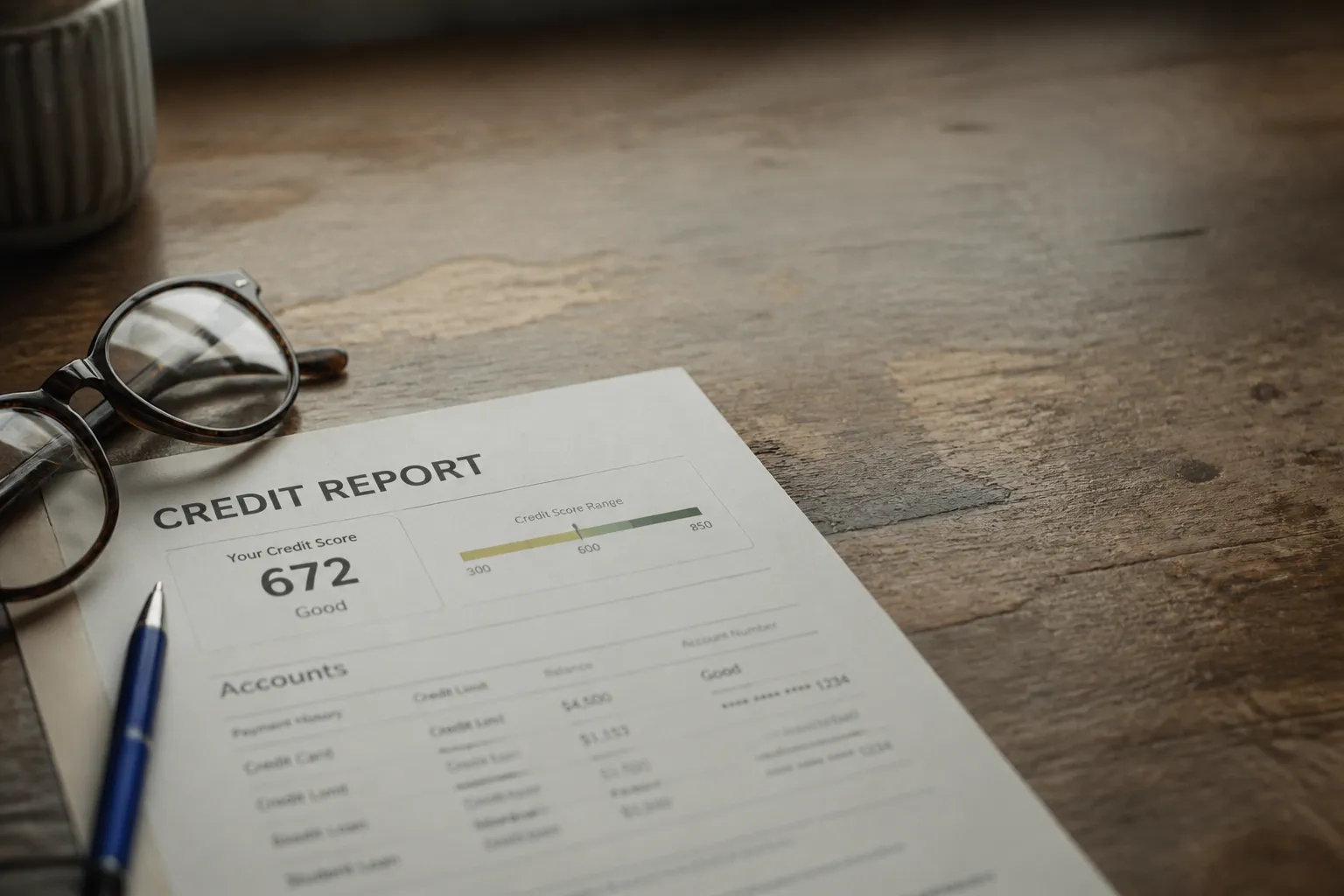
Write to each credit reporting company whose report shows the error. Explain what is wrong, why you believe it is wrong, and what correction you are requesting. For example, identify the late-payment notation and state that your records show the payment was made on time. Be specific about the account rather than asking for a general review of your report.
The CFPB’s dispute instructions list details to include: your name, address, and phone number; a report confirmation number, if available; the account number and disputed information; a clear explanation; and a request to correct or remove the inaccurate item. Include a copy of the relevant report section with the item marked, plus copies of records that support your explanation. Do not send original documents.
If you mail the dispute, certified mail with a return receipt can give you a record of delivery. Keep a copy of the letter, everything enclosed, the delivery receipt, and any confirmation number. These records make it easier to follow up and to describe what you sent if the issue remains unresolved.
Contact the company that reported the payment
The company that supplies account information to a credit reporting company is called a furnisher. It may be a lender or a company that services an account. The CFPB recommends contacting both the reporting company and the furnisher when information is wrong. Send the furnisher a clear explanation and copies of the same relevant records, and keep a separate record of when and how you contacted it.
If a furnisher determines that information it supplied is wrong and corrects it after a dispute, it must send the correction to every credit reporting company that received the incorrect information. Still, check each report afterward to confirm the change appears. The sources do not give a set number of days for a corrected entry to show up on every report.
Keep a simple contact log: the date, the company, the method you used, any confirmation number, and what the representative or written response said. The CFPB notes that companies can often answer questions about a person’s particular situation. If you are having trouble, its guidance on checking reports suggests contacting the companies involved.
Track the investigation timeline
A credit reporting company generally has 30 days from receiving a dispute to investigate it. After completing the investigation, it generally must notify you of the results within five business days. You should receive written results and a copy of the updated report. That updated report does not count as your free annual report.
Some disputes can take longer. The investigation may take up to 45 days if you dispute after receiving your free annual credit report. The 30-day period may also be extended by 15 days if you send additional relevant information while the investigation is underway. The CFPB explains these timing rules in its page on how long a credit report dispute can take. Keep copies of any additional documents and note when you sent them.
Read the result and keep your records
When the response arrives, compare it with the account entry and your original dispute. Check whether the late mark was corrected or removed and whether the account dates and status now match your records. If the response says the information was verified but does not resolve the mismatch, keep the response with your payment evidence and dispute correspondence. The CFPB’s published timing guidance does not set out every next step for an unsatisfactory result, so check current official CFPB information for options that fit your situation.
In January 2025, the CFPB sued Experian, alleging that the company failed to properly investigate some consumer disputes, did not remove some errors, and sometimes reinserted information. Those are allegations in a case, not a finding about any individual dispute. The filing is a reminder to keep a clear paper trail. If an item reappears after correction, document when it was removed, when it returned, and what notices you received. A careful record can help you explain the history when you contact the companies again. This article is general education, not legal, financial, or tax advice.
Please seek a professional. This article is general information, not financial, tax or insurance advice. Please seek a licensed financial, tax or insurance professional about your own situation.


