











A loan modification or forbearance can change what you owe or when you pay. It can also affect what information a lender or loan servicer sends to the credit bureaus. The entry you see depends on the kind of relief, the account’s status before and during it, and the reporting rules that apply. Guidance issued during the COVID-19 emergency is especially important, but it does not answer every question about current reporting.
Why a modification or forbearance can appear on a report
A servicer may send account details to the credit bureaus through a regular data feed. The industry standard for structuring much of that information is called Metro 2. It tells companies how to format account data so the bureaus can process it. The Credit Data Industry Association, or CDIA, publishes guidance and examples for reporting certain kinds of payment relief under that system, including examples for accounts after an accommodation ends. CDIA’s post-accommodation reporting examples describe how furnishers can apply the standard in that context.
Forbearance generally means a temporary pause or reduction in payments. A modification changes loan terms, which may include the payment schedule or interest rate. A deferral moves a payment to a later date. These arrangements are different, and the name used in an agreement does not by itself tell you how the account should appear on a credit report.
There is no single reporting rule that covers every kind of relief. Federal law, agency and investor guidance, disaster procedures, and industry standards may all be relevant. Some guidance applies only to a particular event or type of loan. For that reason, two borrowers with arrangements that sound similar may see different reporting, depending on the rules and facts that apply to each account.
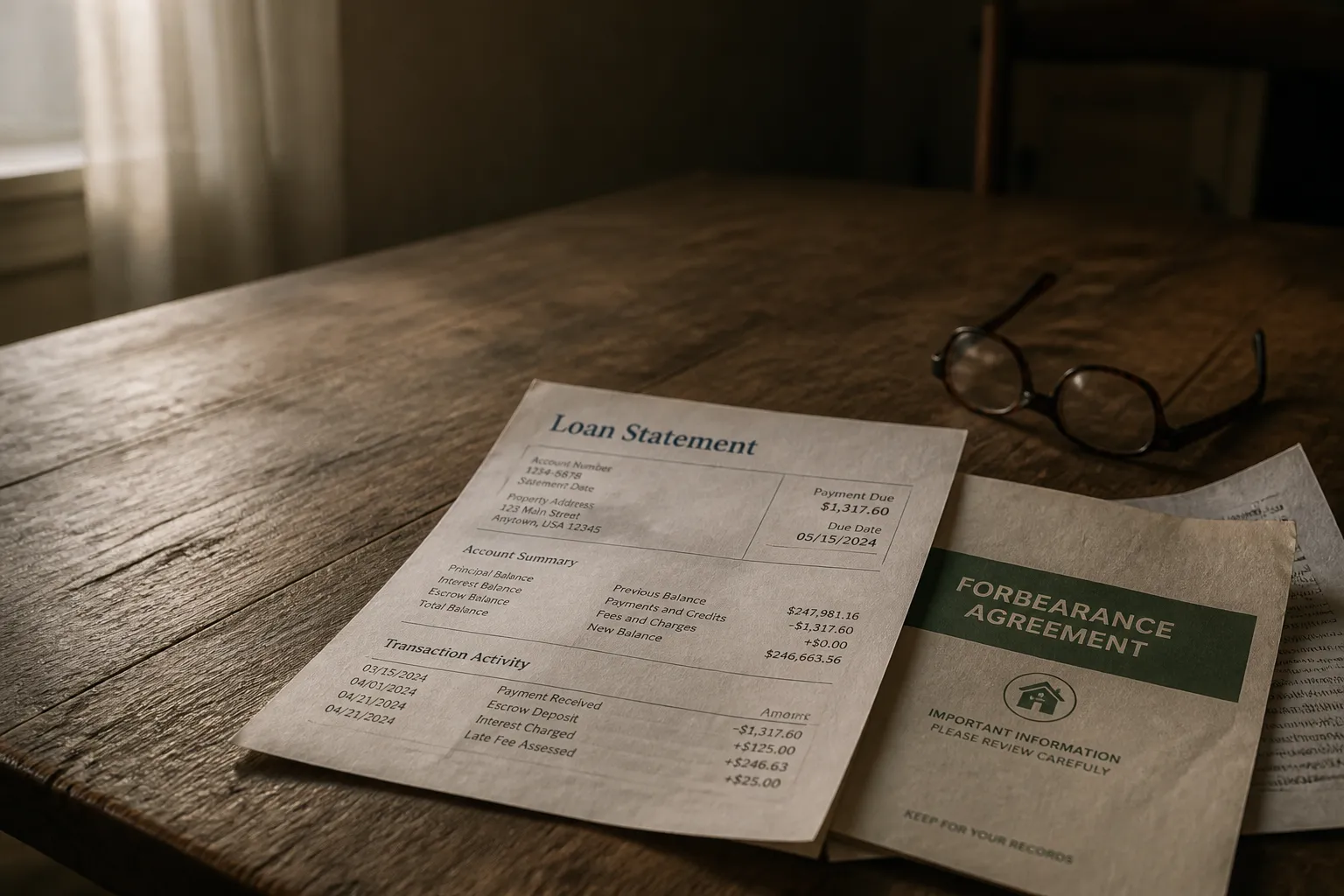
What the CARES Act said about COVID-19 accommodations
The CARES Act amended the Fair Credit Reporting Act, or FCRA, for certain accounts affected by COVID-19. It called a qualifying loan modification, forbearance, or deferral an “accommodation” and added a section on reporting during the pandemic to the FCRA’s rules for furnishers. A furnisher is a company that sends information about an account to a credit bureau. The details matter: the special treatment depended on the account and the accommodation, rather than applying to every payment pause.
CDIA’s COVID-19 guidance described how to report an account receiving a covered accommodation. In general, an account that was current before the accommodation was to continue to be reported as current during it. An account that was already delinquent did not automatically become current just because the borrower received relief. The rules also addressed the account after the accommodation period. Read the CDIA COVID-19 reporting materials alongside the agreement and the account’s status before relief began.
Some federal housing and loan programs issued their own instructions. The CARES Act’s requirements were described as potentially in tension with earlier instructions from Fannie Mae, Freddie Mac, and the Veterans Administration about suppressing credit reporting for some affected loans. The Consumer Financial Protection Bureau (CFPB) also issued a statement about supervision and enforcement, while the Federal Housing Administration issued guidance on loss mitigation and credit reporting. A June 2020 CFPB compliance aid included frequently asked questions. It was not itself a regulation, though the CFPB said it would not sanction entities that reasonably relied on it. A legal summary of these developments explains the CFPB and FHA guidance, and another summary discusses the CARES Act compliance aid.
Other situations can have separate guidance
Forbearance can follow events other than a public health emergency. CDIA issued guidance in January 2019 for furnishers handling forbearance connected to the federal government shutdown. It has also published reporting instructions for disaster-related forbearance. These are industry materials, not one universal federal rule for all accounts. The shutdown-related Metro 2 guidance and disaster notice illustrate why the event behind a payment arrangement can matter.
When you review an entry, first identify what kind of relief you received and why. A COVID-19 accommodation, a program-specific arrangement, and disaster-related forbearance may be governed by different instructions. Then check the dates: when the relief began, its stated end date, and whether payments were paused, reduced, or deferred. Those details help you ask a focused question instead of treating every unfamiliar status as an error.
How to review the account entry
Compare the credit report with your agreement and account statements. Look at the payment status before the relief began, the status during the accommodation, and what happened after it ended. If the account was current before a qualifying COVID-19 accommodation but appears past due during that period, that is a discrepancy to ask about. It is a reason to seek an explanation, not proof on its own that the report is wrong.
Useful questions for the servicer include:
- What type of accommodation or forbearance did the account receive, and what dates did it cover?
- Which reporting guidance or program instructions did you apply?
- How did you determine the account’s payment status before, during, and after the relief period?
- Can you explain how the reported entry fits the applicable Metro 2 examples?
Keep copies of the relief agreement, statements, and messages with the servicer. If an entry seems inconsistent, those records can help you describe the issue clearly when you contact the company or consult a consumer protection resource. The source materials summarized here do not set out a complete dispute process, so check current CFPB and Federal Trade Commission materials, as well as the credit bureaus’ own resources, for steps that apply to your situation.
What the available guidance does not settle
Much of the guidance cited here dates from 2019 through 2021, with a later CDIA disaster notice. It does not establish the current reporting treatment for every accommodation after the COVID-19 relief period ended. Nor do these sources provide the exact Metro 2 field codes for each type of modification or forbearance. If the account’s details are unusual, consult current official materials or a qualified professional familiar with the relevant rules.
The sources also do not establish how a modification or forbearance will affect a credit score, or how long a particular entry may remain on a report. A report entry and a score are related parts of credit reporting, but the information here is not enough to predict a score result. This article is educational, not legal, financial, or tax advice. For an individual account, the signed agreement, the reason for relief, and current official guidance all matter.
Please seek a professional. This article is general information, not financial, tax or insurance advice. Please seek a licensed financial, tax or insurance professional about your own situation.


