







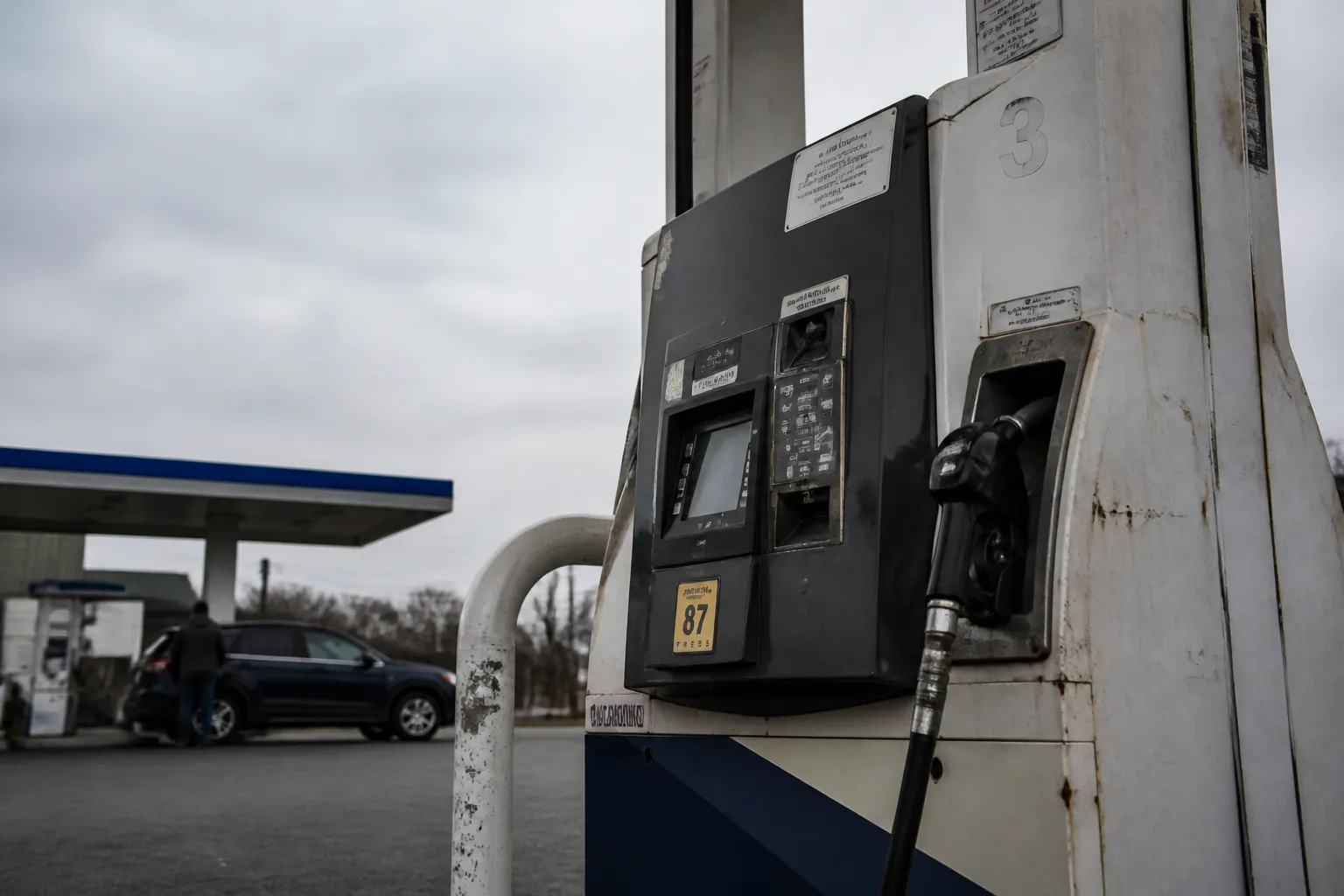
A skimmer is a small device that criminals place on a card terminal or ATM. It copies card data and, in some cases, the PIN. The U.S. Secret Service says skimming is on the rise, according to CBS News reporting. The scheme works because the customer does nothing unusual. You insert or swipe your card, the purchase goes through, and the theft happens beside it.
- Placement: The device sits on a card terminal or ATM and captures card data and sometimes PINs.
- Reach: It collects account details from bank cards and government benefits cards.
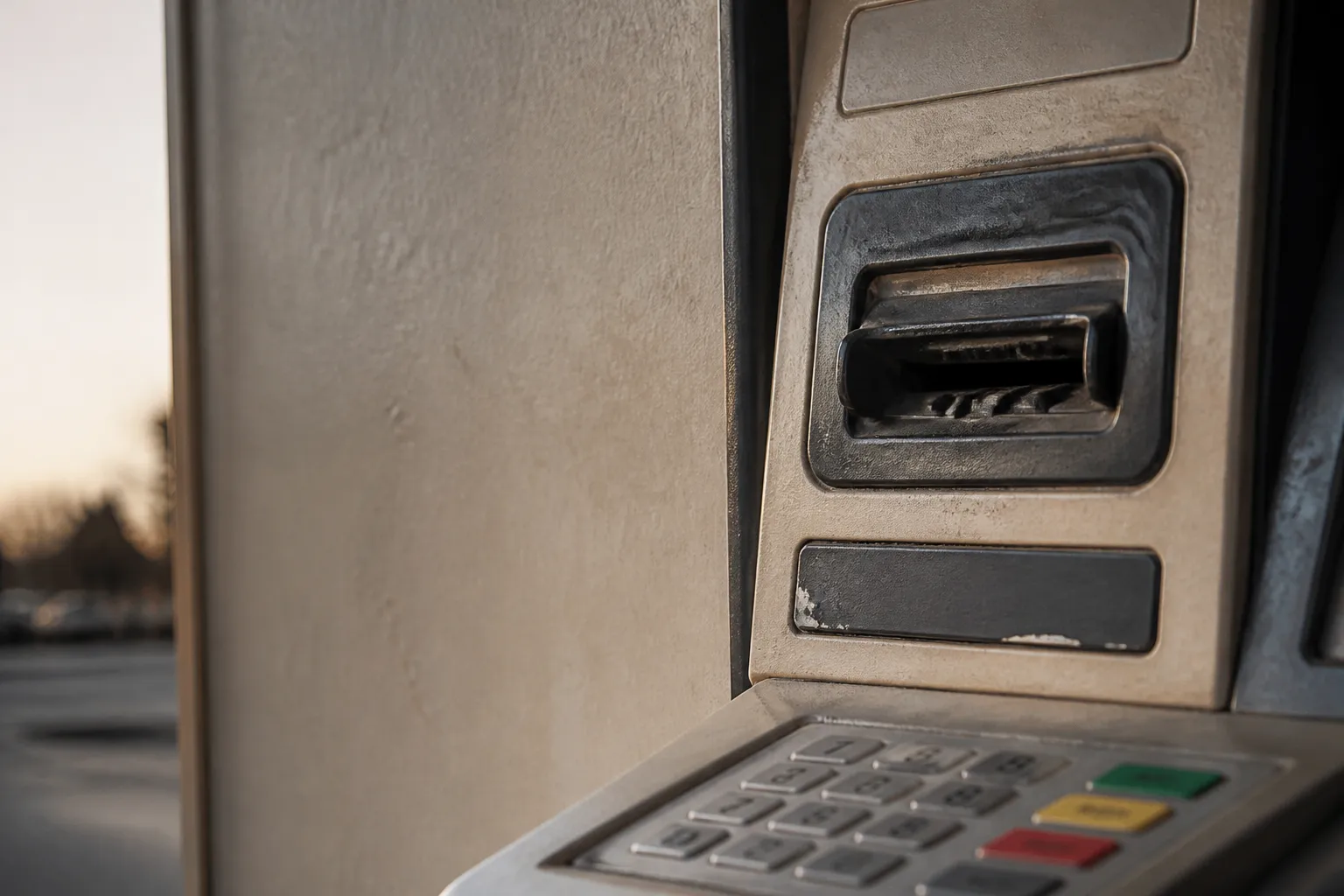
- Transmission: A wireless transmitter hidden inside the skimmer often sends the captured data to the scammer.
- Timing: There is no way to know how long a given device has been in use.
What a card skimmer is
A skimmer is an unauthorized reader attached to a payment point such as an ATM or a card terminal at a retailer. Its job is to capture card data while a real transaction takes place. The Secret Service, which investigates financial crimes, has found these devices on card terminals and ATMs at retailers, per CBS News.
The targets are not limited to ordinary bank cards. The same reporting says skimmers capture account details and personal identification numbers from bank cards and from government benefits cards. That matters because benefits cards often carry people who can least afford a drained balance.
How the data is collected and sent
Installation is fast. The CBS News report says these devices can be put on debit and credit card readers in seconds. After that, the skimmer collects data each time a card is swiped. Nobody has to be standing nearby for it to work.
Getting the data out is just as simple. A wireless transmitter hidden inside the skimmer often sends the captured information to the scammer. That means a thief does not need to come back to the machine to retrieve anything. The sources we reviewed do not explain how the PIN is captured, so we will not guess at the method here.
How big the problem is
The numbers come from CBS News reporting, not from a regulator's own data release, so treat them as reported figures. Officials believe a single skimmer can net up to $1 million in stolen funds. That is a belief, not a measured average, and most devices surely earn far less.
The enforcement figures point the same way. According to CBS News, the Secret Service removed more than 400 illegal skimming devices in 2025, and the agency said that is only a fraction of the devices in use. The network's own investigation also found 32 active federal probes spanning 15 states. Taken together, those details suggest a problem that is spread out and not confined to one region. They do not tell us how many consumers were hit or how much money was lost overall.
Why skimmers are hard to catch
The core problem is that the devices are tough to recognize and harder to remove. CBS News reports that in some cases law enforcement has had to pry a skimmer off, leaving residue behind. If trained agents need effort to get one loose, a shopper glancing at a slot is unlikely to settle the question.
The sources we could read do not offer a list of visual warning signs, and we will not invent one. Terminal designs differ, so a tip that fits one machine may mislead on another. The FDIC and FTC both publish consumer pages on skimming at ATMs and gas pumps, linked below. The text we retrieved from them was only site navigation, so we cannot summarize what they say. Read them directly for their own guidance.
What to do and what is still unclear
Because the devices are hard to spot, the most dependable habit is to watch your accounts. Review your statements and transaction alerts often, and look for small charges you do not recognize. If something looks wrong, contact your card issuer first. Ask how to dispute the charge and how fast you need to act. Our sources do not set out reporting windows or liability limits, and the rules can differ between debit and credit cards, so get the specifics from the issuer.
If you suspect a device is attached to a machine, tell the business or bank that owns it. You can also contact local police. The Secret Service investigates these crimes, but the source we have describes the agency's role and not how to file a report. For background reading, see the FDIC page on skimming schemes, the FTC alert on gas pump skimming, and the CBS News investigation.
Some questions remain open. We could not confirm whether chip cards, tap-to-pay or PIN habits change the risk, because the industry documents we found were unreadable. We also could not confirm current federal or state laws on skimming devices. For those points, ask your bank or a qualified professional.