











A debt you don't recognize can be frustrating, and it can also be confusing. Sometimes it is a real account that was sold to a collection company. Sometimes it is a credit offer you never acted on. Sometimes it is a scam or identity theft. This guide walks through how to tell which one you are facing, using guidance from federal agencies. It is general information, not legal or financial advice. For your own situation, check the official sources linked here or talk with a qualified professional.
Start with the facts the collector has to give you
When a debt collector contacts you, the first thing to check is whether it has given you enough information to look into the debt. The Fair Debt Collection Practices Act, usually called the FDCPA, is the federal law that governs how third-party collectors behave. It bars collectors from making false statements. The Consumer Financial Protection Bureau, or CFPB, has said that a collector may violate the FDCPA by telling you that you owe a debt, or an amount, that you do not actually owe. The CFPB explains this in more detail here.
Validation information is the set of basic facts a collector is generally required to provide. That usually means the name of the original creditor, the amount owed, and how you can dispute the debt. The CFPB says this information is generally due in the initial communication or within five days of it. The CFPB's guidance on first contact lays out what to expect.
If a caller will not tell you the creditor, the amount, or how to dispute the debt, treat that as a warning sign. A legitimate collector should be able to explain the account in plain terms and point you to written details you can review at your own pace. Regulation F, found at 12 CFR Part 1006, also bans false, deceptive, or misleading representations in debt collection. You can read the CFPB's summary of that section if you want the exact language.
An unfamiliar name does not always mean the debt is wrong
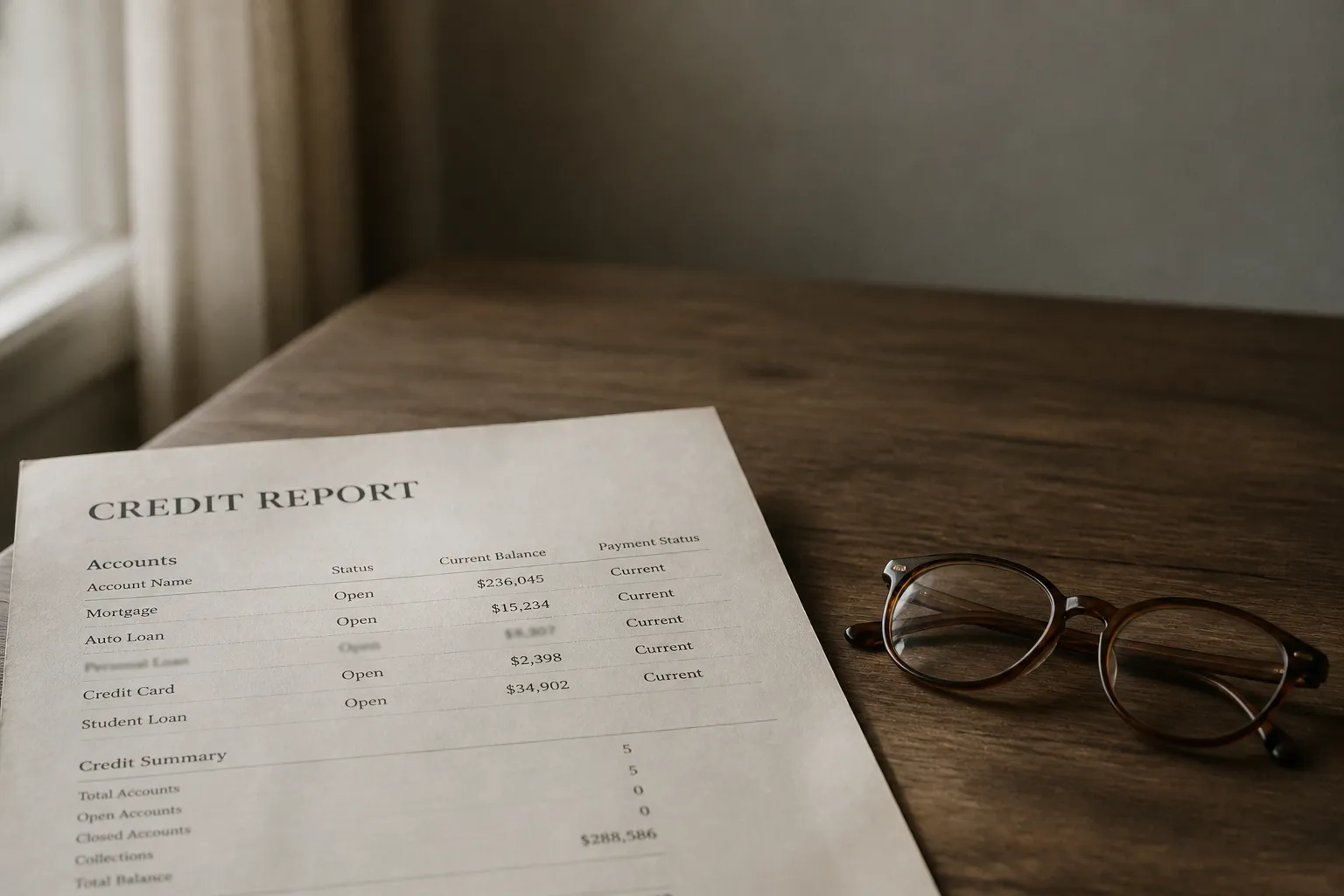
Seeing a creditor on your credit report that you don't recognize is more common than most people think, and the explanation is often ordinary. Accounts are sold or handed to third-party collection companies all the time. The name you see may be the collector, not the company you originally did business with. Retail store cards are another common source of confusion. Many of them are issued by a bank, so the bank's name appears on the report instead of the store's name.
For that reason, the CFPB suggests asking the unfamiliar company to explain the debt before you assume it is wrong. Useful questions include who the original creditor was, whether the account was sold or assigned to the company that contacted you, and what name the account appears under on your credit report. The CFPB's answer on unfamiliar creditors covers this in plain language.
Not every entry on your report is a debt at all. An account that shows up only as an inquiry may reflect a prescreened credit offer, which is a pitch sent to you because of your credit profile. Inquiries are not debts. Check whether the entry is an account, a collection, or only an inquiry before you take action.
Check whether the collector followed the reporting rules
Collectors cannot report a debt to a credit reporting company whenever they like. They must first follow contact rules, and they can report only if they also follow the other credit reporting laws. Before reporting, a collector generally has to make at least one contact by a permitted method, such as in-person or phone contact. A letter or electronic message can also work, but the collector must then wait a reasonable period, generally 14 days, for a notice that the message was not delivered.
The CFPB notes that receiving a validation notice indicates the collector has met that contact requirement, and it can generally begin reporting the debt after that point. So if a debt shows up on your report in collection status, and you never heard from anyone about it, that timing is worth noting. The CFPB's explanation of reporting timing describes the steps in more detail. Collectors are also responsible for the accuracy of what they put on credit reports, a point the CFPB has made in its public statements on false information.
What a written dispute can and cannot do
If you believe a debt is not yours, a written dispute can matter a lot. A dispute generally needs to be sent within 30 days after the initial communication to trigger the rule that collection must stop until the collector sends verification. Verification is the proof that the debt is yours and the amount is correct. Once verification is sent, collection can resume.
That detail surprises many people. A dispute does not automatically end collection forever. Collection can continue after verification unless you take other steps, such as sending a written request that the collector stop contacting you, or taking legal action. The CFPB's answer on whether a collector can still collect after a dispute walks through these timing rules.
A debt on your credit report can also be disputed directly with the credit reporting companies. This is separate from disputing with the collector, and many people use both routes. The sources behind this guide do not cover the full bureau dispute process, so for those steps, go to the CFPB's resources and the consumer pages of the bureaus themselves. Keep copies of everything you send and note the dates.
Watch for scams and identity theft
Debt collection is a common setting for identity theft. A call about a debt you never took on, or a credit report entry for an account you never opened, are both listed as warning signs by federal consumer resources. If you suspect identity theft, the government's identity theft guidance on USA.gov is a good starting point for reporting and recovery.
The Federal Trade Commission, or FTC, also warns about several scam patterns in debt collection. These include threats of arrest or lawsuits meant to force an immediate payment, requests for sensitive financial information before a caller's legitimacy has been confirmed, and promises to erase a debt for pennies on the dollar before anyone has looked at your situation. The FTC also warns that some companies charge fees without doing any real work. The FTC's consumer alert on debt collection lists these patterns.
If a caller uses any of these tactics, you can decline to share information while you check the account on your own. Hang up, look up the company through independent contact details, and request written validation. Checking your credit reports on a regular schedule also helps. You can spot unfamiliar accounts early, whether or not a debt is in collection, and early is the easiest time to sort out a mistake.
Please seek a professional. This article is general information, not financial, tax or insurance advice. Please seek a licensed financial, tax or insurance professional about your own situation.


